Fit & sizing
How to break in cowboy boots
Two weeks, an hour a day, and no hairdryers. The method that works and the shortcuts that ruin boots.
By Selena H. · Updated October 13, 2026
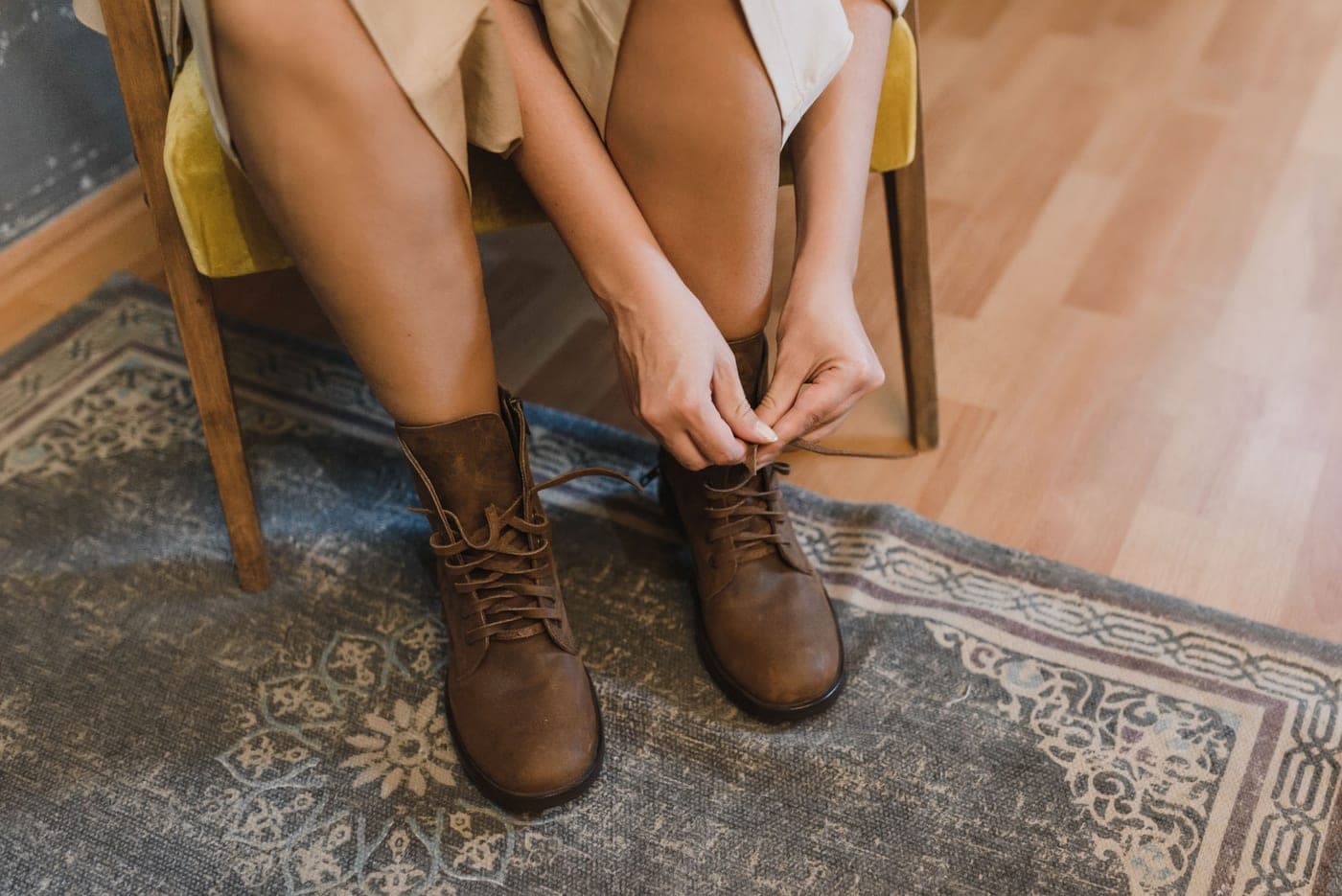
Wear them indoors for an hour a day for one to two weeks, with the socks you will actually use, flexing the vamp by hand between wears and conditioning the crease points lightly. Most boots are comfortable within two weeks. Never use heat, water soaking or a hairdryer - all three permanently damage leather.
Before anything else: confirm the boot actually fits. Break-in softens the vamp and lets the sole flex. It does not make a boot longer, and it does not meaningfully widen a narrow toe box. If the boot is the wrong size, every day you spend breaking it in is a day closer to not being able to return it. Run the checks in how should cowboy boots fit first.
The method
Confirm the fit on carpet
Four checkpoints: instep pop, ball of foot at the widest point, quarter to half inch of heel lift, half an inch at the toes. If any fails, return the boots rather than breaking them in.
Hour a day, indoors, week one
On carpet, with your real socks. Short sessions let the leather relax between wears instead of being forced in one painful day.
Wear a thicker sock
A mid-calf merino or synthetic sock protects your calf while the shaft is stiff and takes up the slack that causes early heel rub.
Flex the vamp between wears
Hold the boot in both hands and bend the toe gently up toward the shaft, eight or ten times. This softens the crease without the force that cracks leather.
Condition the flex points - lightly
A thin coat of non-darkening conditioner at the vamp crease and around the ankle, twice during break-in. Thin. Over-conditioned leather goes soft and stops holding its shape.
Half days, week two
Two to four hours, with some walking on hard floors. The sole flexing is what makes the heel lift reduce - and that only happens with real walking.
Target any remaining tight spot
One pinch point responds well to a two-way stretcher with a bunion plug left in overnight. A whole boot that hurts does not - that is a sizing problem.
What not to do
- No hairdryers or heaters. Heat drives the oils out of leather. The boot feels softer for a week and then cracks at the vamp.
- No soaking in water. The old wet-sock trick stretches leather unevenly, strips oils and can shrink the fit as it dries.
- No alcohol sprays. They dry leather out, which is the opposite of what you want.
- No one long first day. The classic mistake - wearing new boots to an all-day event. You will get blisters and the boots will be no further broken in.
- No over-conditioning. More conditioner is not faster break-in; it is a boot that has lost its structure.
How long it should take
| Boot type | Typical break-in |
|---|---|
| Rubber-soled, cushioned (Twisted X, Durango) | A few days, or none at all |
| Welted leather boot with a cushioned insole | 1-2 weeks |
| Traditional leather sole, leather insole | 2-4 weeks |
| Exotic leather with rigid scales | 4 weeks or more |
What break-in actually needs
Proper socks, a light non-darkening conditioner, a stretcher for one stubborn spot and a jack so you are not crushing the counter nightly.
These links go to Amazon and we earn a commission if you buy. How we pick.
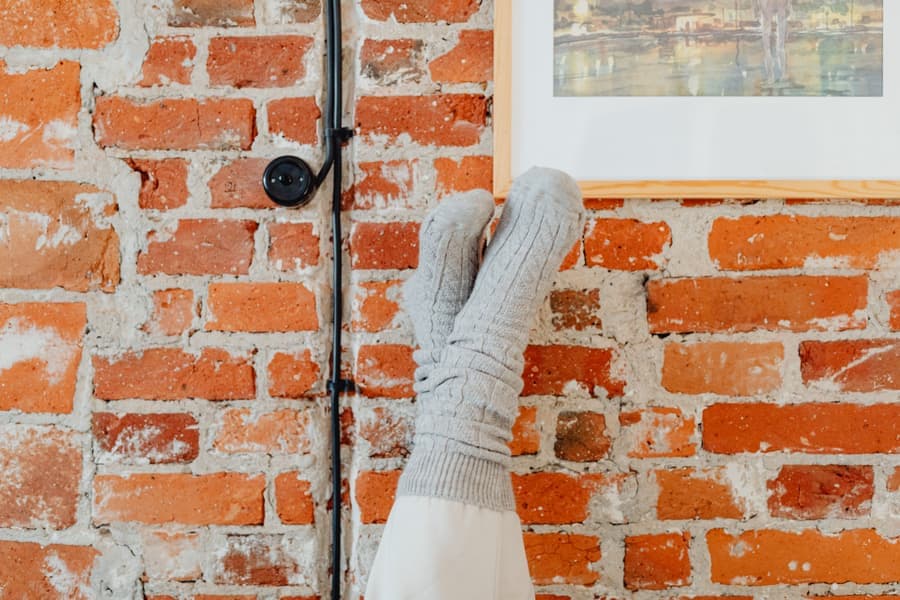
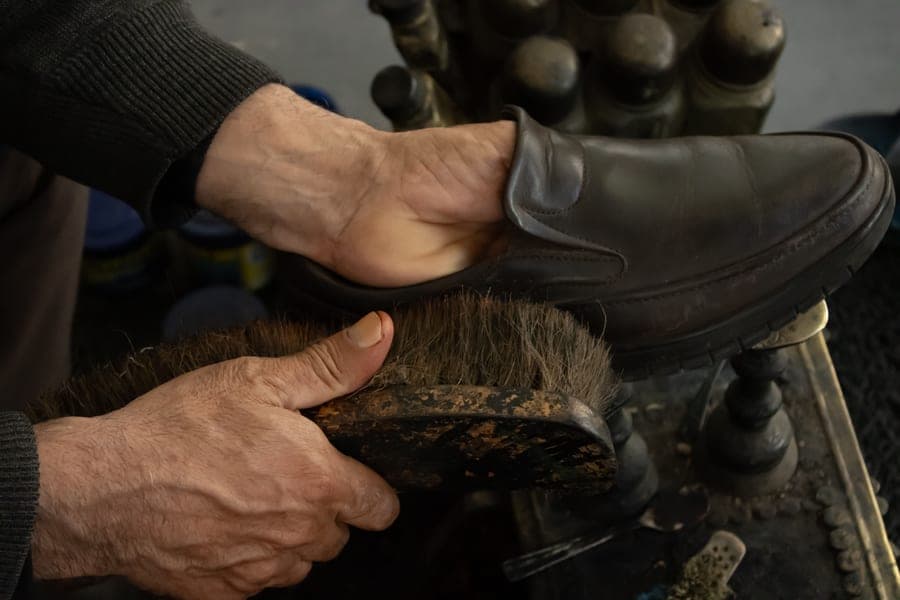 Illustrative photo
Bickmore Bick 4 Leather Conditioner
For the one conditioner to own.
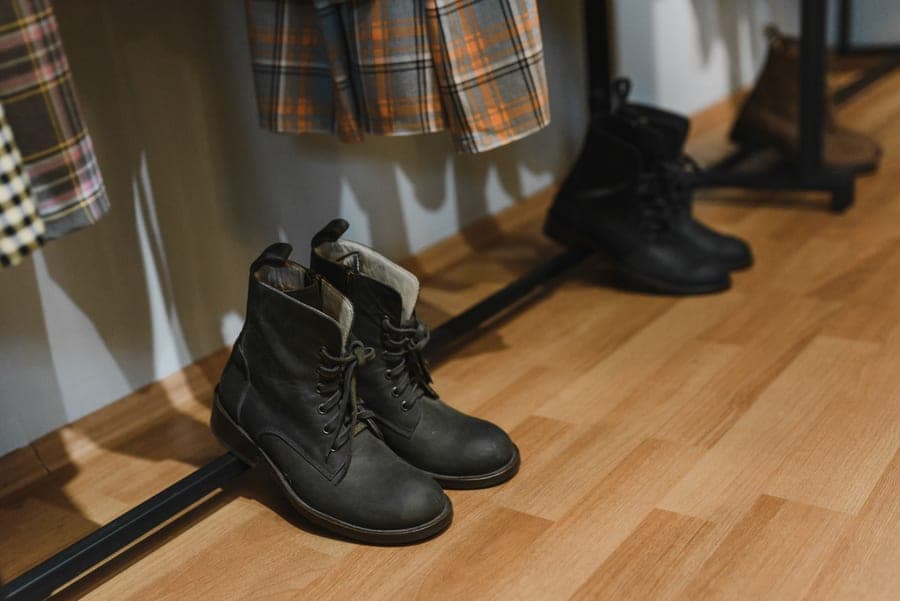 Illustrative photo
Two-Way Boot Stretcher
For a boot that is tight in one specific spot.
#ad - price checked on Amazon at the time you click. Last price check: October 13, 2026. How we are funded
Common questions
How long does it take to break in cowboy boots?
One to two weeks of wearing them an hour a day for a typical welted leather boot. Rubber-soled cushioned boots need almost none; traditional leather-soled boots can take three or four weeks.
What is the fastest way to break in cowboy boots?
Short, frequent wears indoors with a thick sock, flexing the vamp by hand between sessions and lightly conditioning the crease points. There is no safe shortcut - heat and water both damage leather permanently.
Should I wear thick socks to break in boots?
Yes. A thicker mid-calf sock takes up slack, protects your calf from the stiff shaft and gives the leather something to stretch against. Just make sure the boot was fitted with a reasonable sock in the first place.
Can you use water to break in cowboy boots?
No. Soaking leather stretches it unevenly, strips its oils and can cause it to shrink as it dries. The same applies to the wet-sock method that circulates online.
Do cowboy boots stop hurting?
A correctly sized pair does, within one to two weeks. A boot that still hurts in the same place after three weeks is the wrong size or shape, and no amount of further wear will fix it.
About the author
Selena H.
Selena H. is the owner and editor of Spur & Stitch. She started the site after discovering how much western-boot buying advice assumes you already know what a welt is. Every guide here is written for the person buying their first pair.
Read next

Fit & sizing
How long do cowboy boots take to break in?
Realistic break-in times by boot type, and when to accept that the boot is simply wrong.
Fit & sizing
Do cowboy boots stretch?
Boots stretch in width, not length - and that asymmetry drives every sizing rule.
Fit & sizing
Boot stretchers and boot jacks
The two cheapest tools in western boots, what each does, and what neither can fix.
Care
The best leather conditioners for cowboy boots
Which conditioner to use, which ones darken leather, and conditioning versus waterproofing.