Guide
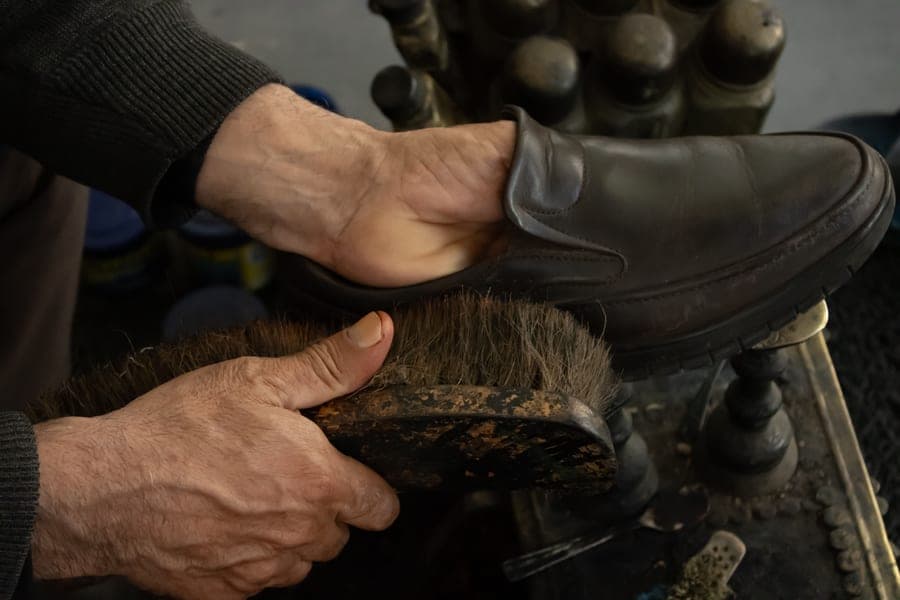
How to clean cowboy boots
The twenty-minute routine that stops leather cracking - what to use and in what order.
Top pick: Fiebing's Saddle Soap
Spur & Stitch
Twenty minutes, twice a year. That is most of the difference between boots that last a decade and boots that crack in three.
9 guides in this section
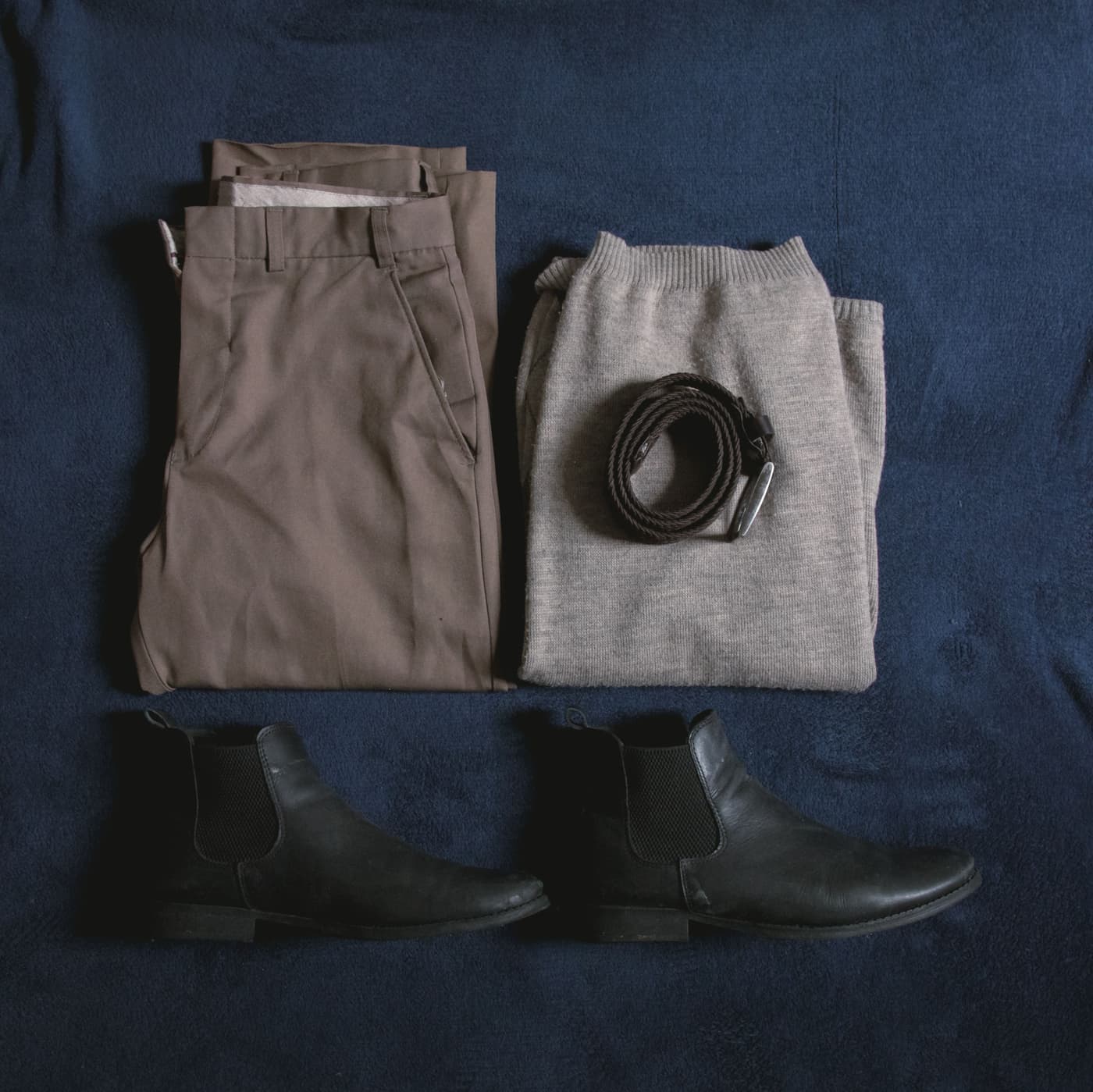
Boot care gets written about as though it were a hobby. It is not - it is a short routine that prevents four specific failures, and if you do it twice a year you will roughly double how long a pair of boots lasts.
Notice that none of those is wear from using the boots. All four are storage, drying and handling faults, and all four are preventable for well under the cost of a cheap pair of boots.
Brush off dry dirt, clean with saddle soap on a damp cloth, let the boots dry at room temperature away from any heat, condition thinly with a non-darkening cream, buff with a horsehair brush, and put trees in. Twice a year for weekly wear, more for daily or outdoor use, and always after rain or snow. Full method in how to clean cowboy boots.
Saddle soap cleans; conditioners condition. They are two steps of one job, not alternatives. Saddle soap is a mild astringent that pulls dirt out of the fibers - and takes oils with it - so using it without conditioning afterwards leaves leather drier than when you started.
Conditioning is not waterproofing. A conditioner keeps fibers supple so the leather does not crack; it does nothing against water. Water resistance needs a wax or an oil, and those almost always darken leather. That is the trade, and it is why mink oil vs saddle soap exists as a page.
Every cream, oil and wax that is good for smooth leather will mat the nap of suede or roughout and leave a permanent dark patch. Suede takes a brush, a rubber eraser and a protector spray, and nothing else. This is the single most common way a good suede boot is destroyed - see how to clean suede cowboy boots.
Rotate pairs. A day of wear leaves real moisture in the lining and insole, and a boot that never gets a full day to dry degrades from the inside long before the outside looks worn. Two pairs alternated last considerably more than twice as long as one pair worn every day, and it costs nothing but owning a second pair.
The twenty-minute routine, in order, with the drying mistake that causes most cracking.
Which products darken leather permanently, and which one to buy if you buy only one.
The fault that quietly ruins tall boots in a closet, and the cheap thing that prevents it.
Guide
The twenty-minute routine that stops leather cracking - what to use and in what order.
Top pick: Fiebing's Saddle Soap
Best conditioner
Which conditioner to use, which ones darken leather, and conditioning versus waterproofing.
Top pick: Bickmore Bick 4 Leather Conditioner
Best care kit
What a care kit should contain, why the brushes are the real value, and what to buy separately.
Top pick: Leather Boot Care Kit with Brushes
Guide
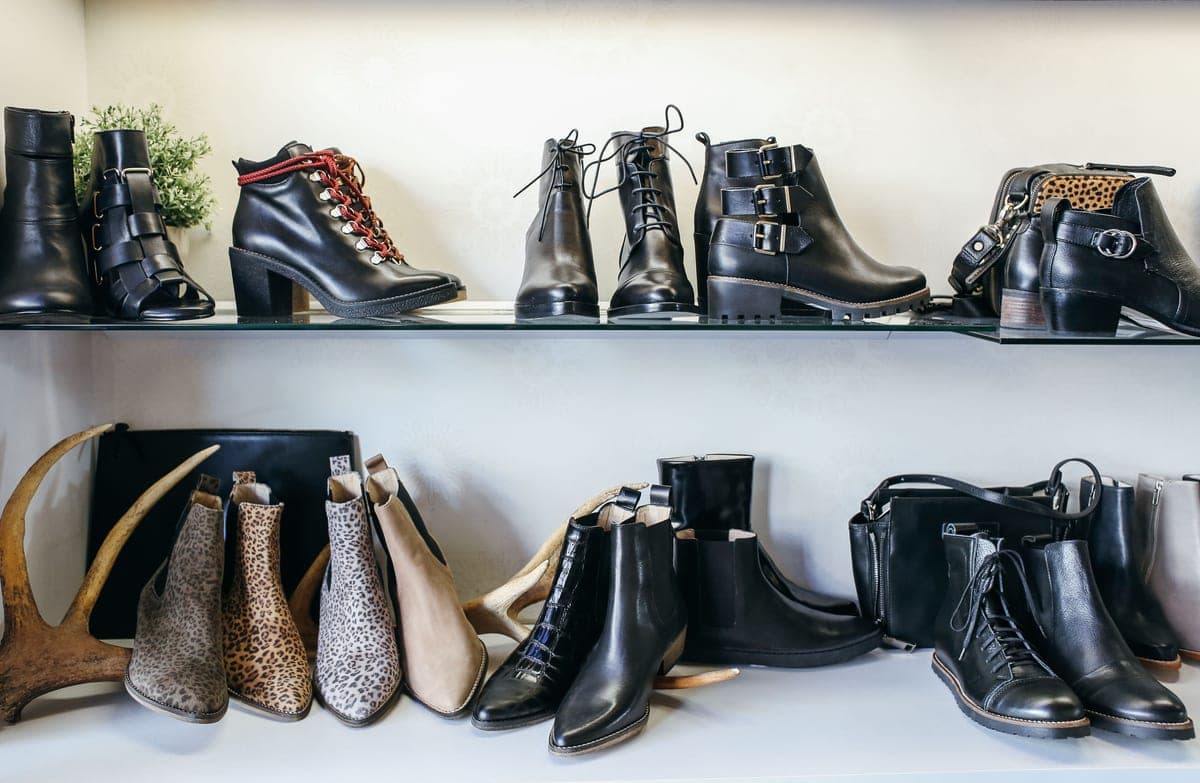
Tall boots collapse at the ankle in storage and the crease sets. How to prevent it.
Top pick: Cedar Boot Trees
Best sole fix
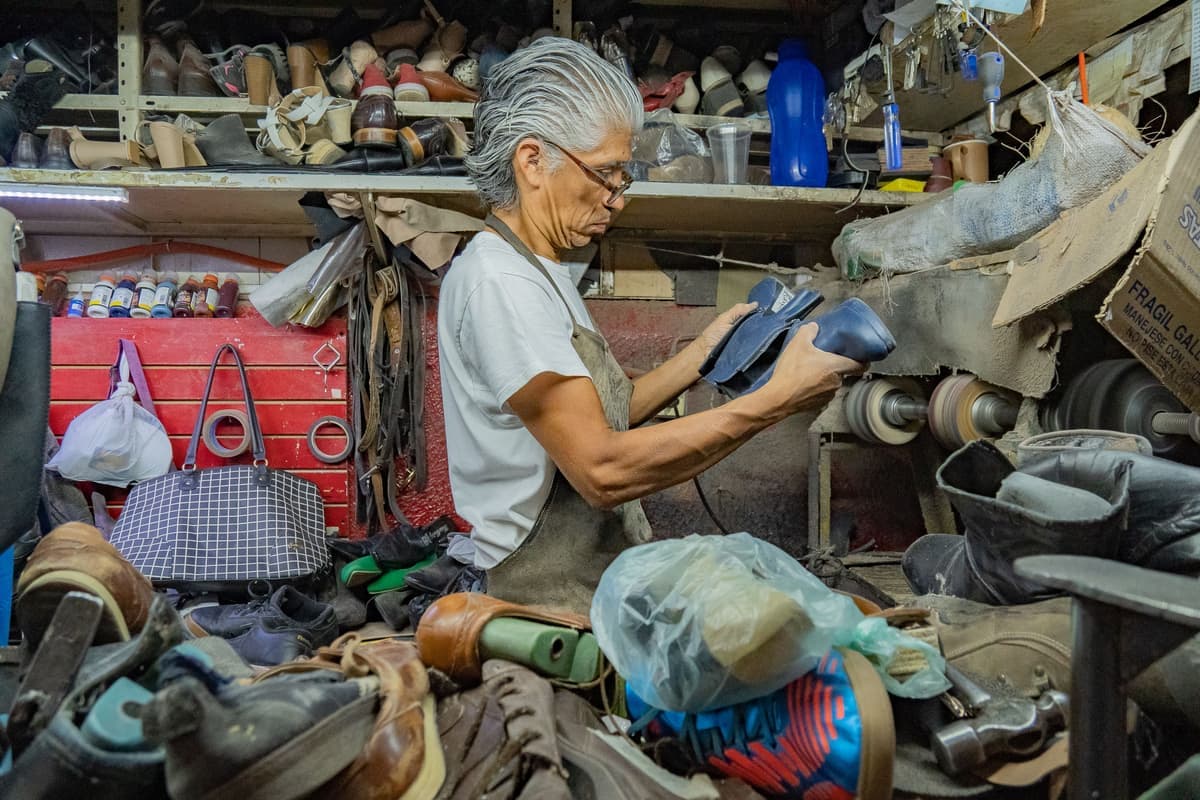
Half-soles, grip pads and the cobbler fix that makes a leather sole safe and longer-lasting.
Top pick: Rubber Half-Sole Protectors
Guide
When boots are worth resoling, what the job involves, and when replacing is the better call.
Top pick: Rubber Half-Sole Protectors
Twice a year for boots in regular wear, plus after any soaking. Over-conditioning is a real problem - leather that has had too much product goes soft and stops holding its shape.
Brush off dry dirt, clean with saddle soap on a damp cloth, dry at room temperature away from heat, then condition thinly with a non-darkening cream and buff with a horsehair brush.
Yes, with a treated upper and a sole that grips. What matters is afterwards: dry them slowly at room temperature stuffed with paper, never near a radiator or hairdryer.