Reference
Cowboy boot toe shapes, explained
Seven shapes, what each one does to the fit, and a straight answer about which belongs on your foot.
By Selena H. · Updated October 13, 2026
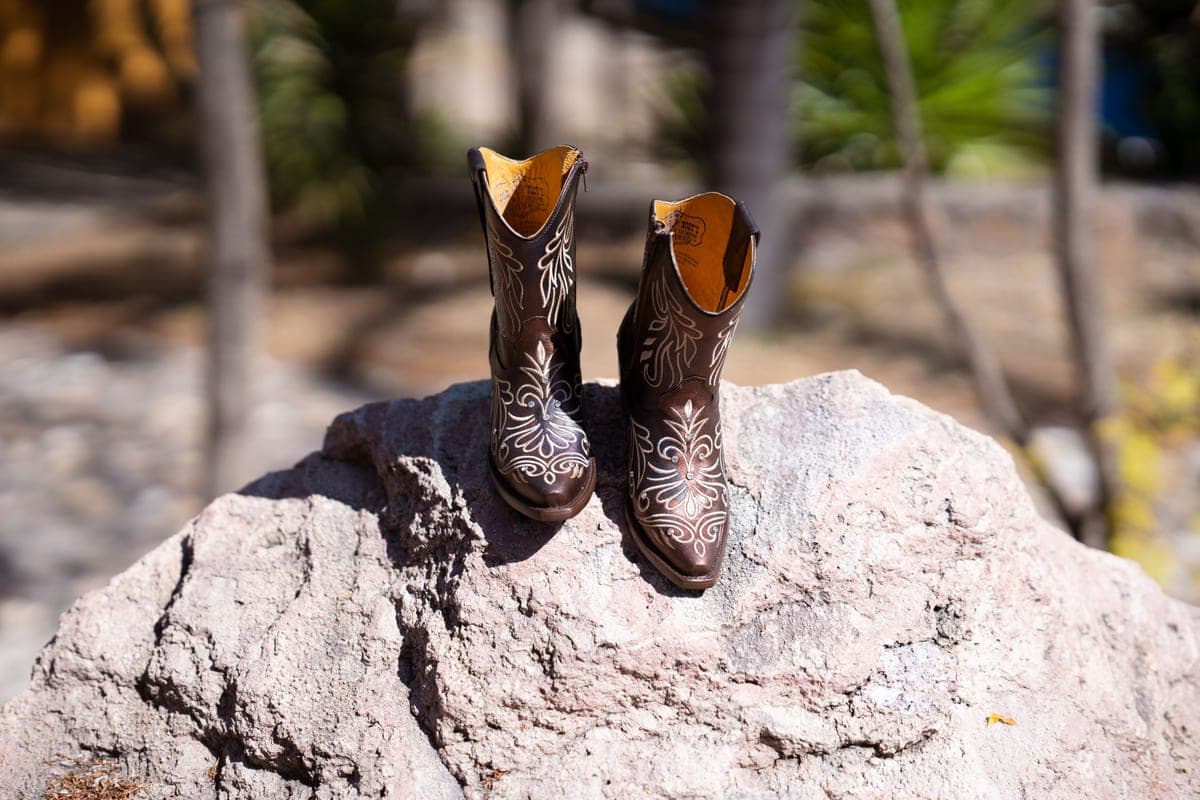
There are seven western toe shapes in common use. Square and broad square give the most room and are the modern mainstream; round and R-toe are the classic, versatile middle; snip, cutter and pointed are dressier and narrowest. Choose on foot width first - toe shape is a fit decision that happens to look like a style decision.
| Shape | Profile | Toe room | Formality | Best for |
|---|---|---|---|---|
| Round | Gentle oval, classic | Moderate | Versatile | A first pair, normal-width feet |
| Wide round | Rounded and broad (Fatbaby-style) | High | Casual | Wide or high-volume feet |
| R-toe | Slightly squared-off round | Moderate | Versatile to dressy | Wearing boots with tailoring |
| Square | Flat tip, conventional width | Standard | Casual to moderate | The modern default |
| Broad / wide square | Flat and visibly wide | Highest | Casual | Wide feet, long days |
| Snip | Tapers to a clipped point | Low | Dressy | Decorated boots, formal wear |
| Cutter | Narrow, deeply tapered, roped stitching | Lowest | Dressiest | Show, rodeo, narrow feet |
Round toe
The original, and still the most versatile. A gentle oval that follows the natural shape of the foot, with moderate room across the front. It works under a trouser hem, with a bootcut jean and with almost any outfit, and it is the shape least likely to look dated in a decade. If you are buying one pair and want it to still feel right in 2036, buy a round toe.
Wide round
The round toe's generous cousin, best known through Ariat's Fatbaby line. Noticeably broad across the front and often paired with a shorter shaft and a cushioned sole. It is the most forgiving shape in western boots and the first thing to try if you have a high-volume foot or a bunion. It reads casual - this is not a shape for tailoring.
R-toe
A round toe with the tip slightly flattened - more structure than a round toe, far less bulk than a square. It is the quietly correct answer for anyone who wants a boot that works with a suit without going fully pointed. Ariat's women's Heritage line uses it widely.
Square toe
The mainstream modern shape, flat across the tip. Gives real room where wide feet hurt and reads as current rather than traditional. It is visually heavy, which means it needs a leg opening wide enough to cover it. Our square toe roundup covers the three widths it comes in.
Broad and wide square
The most room of any western shape, and the correct starting point for a genuinely wide foot before you go hunting for EE widths. The trade is formality: blunt and modern, unmistakably casual, and wrong with tailoring.
Snip toe
Tapers to a flattened, clipped point. Dressy, traditional, and the shape most decorated women's boots use. It is the least forgiving shape on a wide foot, and the sizing trap is real: if a snip toe pinches in your correct size, size up and you will get heel slip, not comfort. See snip toe vs square toe.
Cutter toe
The narrowest and deepest taper, usually with roped stitching along the vamp. A show and rodeo shape, genuinely dressy and genuinely unforgiving. Buy one only if you already know your boots fit and your foot is narrow.
Which should you pick?
- Wide feet or bunions - wide square or wide round. Nothing else will do.
- You want one versatile pair - round or R-toe.
- You want the current look - broad square.
- Weddings, suits, dressing up - R-toe or snip.
- Standing all day - broad square, with a rubber sole.
- You will ride - any shape; the heel matters, not the toe.
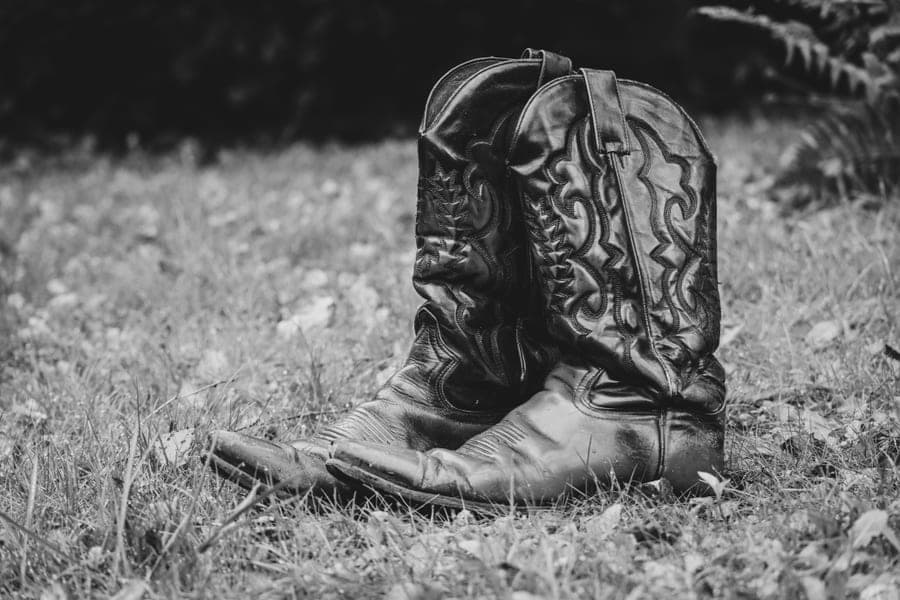
A boot in each of the three main shapes
Wide square, round and a traditional narrow last - the three families most feet fall into.
These links go to Amazon and we earn a commission if you buy. How we pick.
 Illustrative photo
Ariat Sport Wide Square Toe
For wide feet, without ordering a special width.
 Illustrative photo
Ariat Heritage Roper
For anyone who does not want a tall shaft or a tall heel.
Illustrative photoAriat Heritage Roughstock
For the safest first pair for most men.
 Illustrative photo
Tony Lama Bonham
For a dressier traditional boot with a tall shaft.
#ad - price checked on Amazon at the time you click. Last price check: October 13, 2026. How we are funded
Common questions
What is the most popular cowboy boot toe shape?
Broad square. It has been the mainstream men's and women's shape for well over a decade because it gives more room across the toes than traditional shapes while still looking current.
Which cowboy boot toe shape is most comfortable?
For most feet, wide square or wide round - the extra room is at the front where pressure actually builds. Narrow feet can be more comfortable in a round or R-toe, which holds the foot more closely.
What is an R-toe cowboy boot?
A round toe with the tip slightly flattened. It gives a boot more structure than a plain round toe without the bulk of a square one, which makes it the usual choice for wearing western boots with tailored trousers.
What is the difference between a snip toe and a cutter toe?
Degree of taper. A snip toe narrows to a flattened point; a cutter toe tapers more deeply and narrowly, usually with roped stitching, and is the dressiest and least forgiving western shape.
Does toe shape affect sizing?
It affects how a size feels. A snip or cutter toe feels tighter at the front than a square toe of the same length because the taper starts sooner. Never size up to fix that - change the shape instead.
Sources
About the author
Selena H.
Selena H. is the owner and editor of Spur & Stitch. She started the site after discovering how much western-boot buying advice assumes you already know what a welt is. Every guide here is written for the person buying their first pair.
Read next
Boots
Square toe vs round toe cowboy boots
Fit, formality and jeans - the practical difference between square and round toes.
Boots
Snip toe vs square toe cowboy boots
The dressiest shape against the most popular, plus the sizing trap in a snip toe.
Boots
The best cowboy boots for wide feet
Five boots that genuinely fit wide feet - and why a wide toe beats hunting for an EE width.
Fit & sizing
Cowboy boot width letters, explained
What B, D and EE actually change - and why toe shape usually matters more than width.