Care
Cowboy boots in rain and snow
Rain will not destroy a leather boot. How you dry it afterwards might.
By Selena H. · Updated October 13, 2026
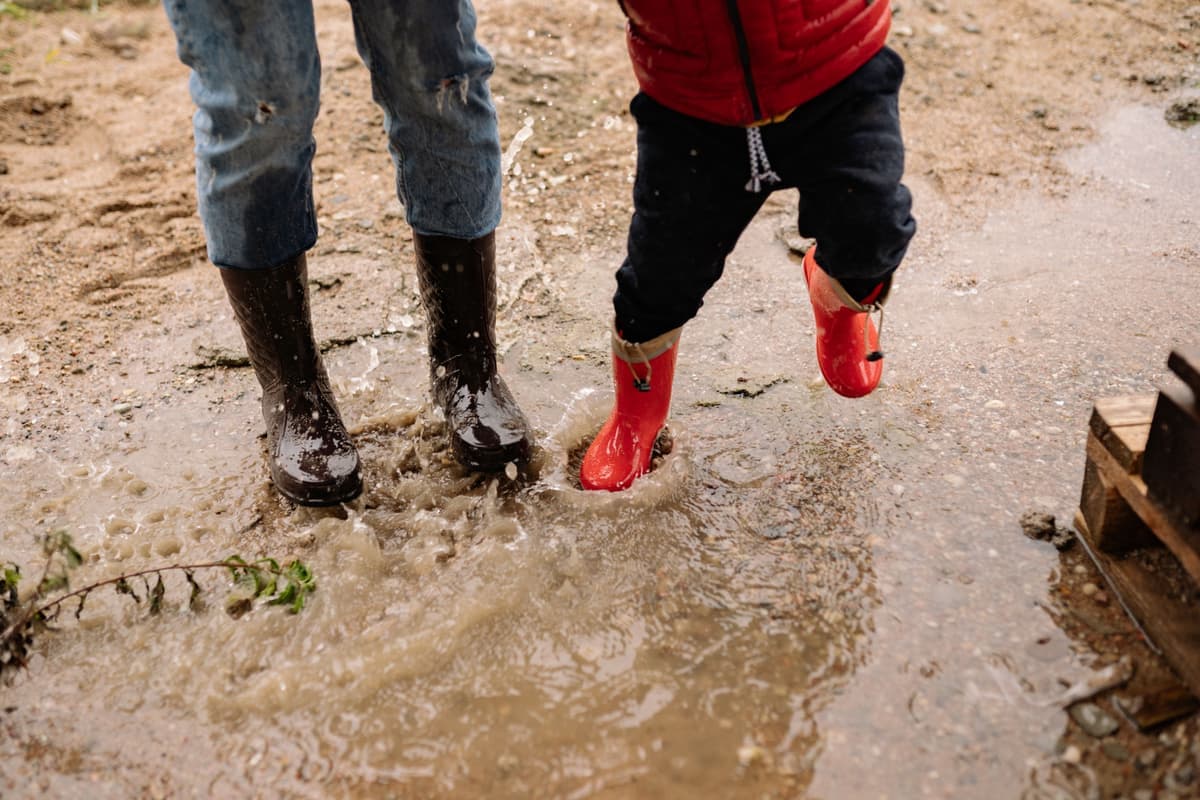
Yes, with two preparations and one rule. Prepare: a rubber sole or a rubber half-sole for grip, and a wax or oil treatment for water resistance. The rule: dry soaked boots slowly at room temperature, stuffed with paper, away from any heat source. Heat - not water - is what actually destroys wet leather.
What water does to leather
Water itself is survivable; leather has been rained on for as long as there have been boots. What causes damage is what happens next. As water evaporates it carries the leather's natural oils with it, leaving fibers dry and brittle. Apply heat to speed that up and you accelerate the process dramatically - which is why a boot dried on a radiator cracks within a season while the same boot dried slowly is fine.
Preparing for bad weather
- Sole first. A leather sole on wet pavement is genuinely dangerous. Either wear a rubber-soled boot or have a cobbler fit a thin rubber half-sole - see sole protectors and grip.
- Then water resistance. Mink oil or a beeswax treatment, applied thinly. Both darken leather, which is the trade. On a light boot, accept that the boot will change color or keep it indoors.
- Not on suede. Suede takes a dedicated suede protector spray, not oil or wax.
- Re-treat seasonally. Water resistance wears off. Once before winter is the usual cadence.
How to dry a soaked boot
Wipe off surface water and mud
A cloth now saves a brush later. Do not scrub wet mud into the grain.
Stuff loosely with newspaper
Paper draws moisture out from the inside and holds the shape. Change it after a few hours when it is damp.
Stand them upright at room temperature
Away from radiators, fires, hairdryers and direct sun. Expect one to two days.
Condition once fully dry
Drying removes oils, so a thin coat of conditioner afterwards is the step that prevents cracking.
Insert trees once conditioned
They finish the drying and hold the shaft while the leather settles.
Road salt is worse than water
Winter salt leaves white tide marks and, left on, draws moisture out of leather and degrades the stitching. Wipe boots down with a damp cloth after any walk on salted pavement - not days later. A 50/50 solution of water and white vinegar lifts set-in salt stains that a damp cloth cannot, followed by conditioning.
Wet-weather kit
Water resistance, grip, and the drying and conditioning that follow a soaking.
These links go to Amazon and we earn a commission if you buy. How we pick.
 Illustrative photo
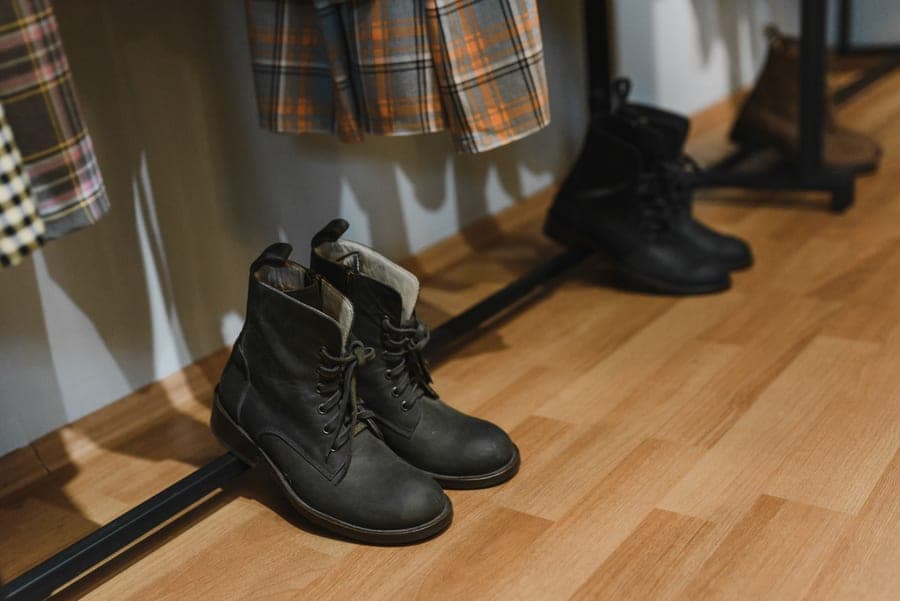
Rubber Half-Sole Protectors
For making a leather sole safe and last.
 Illustrative photo
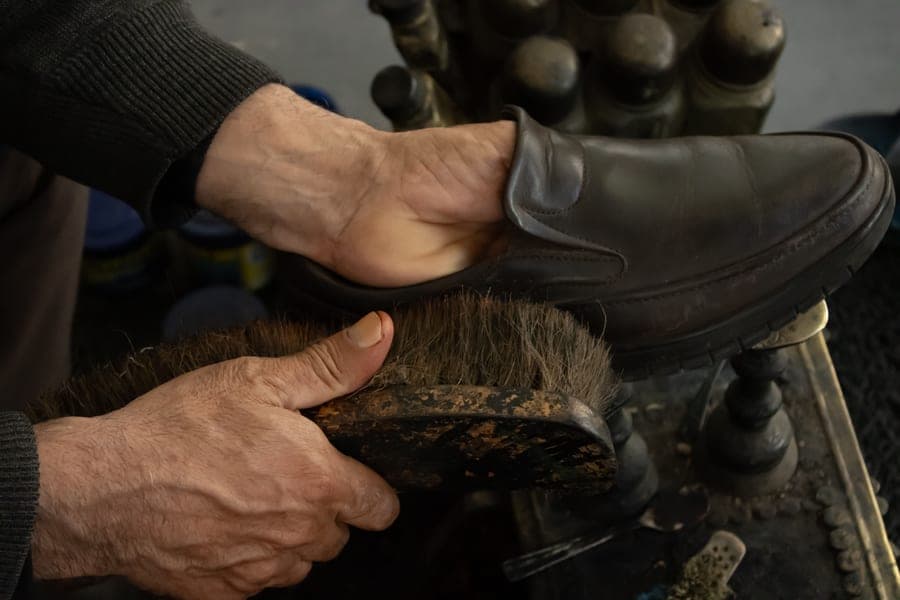
Bickmore Bick 4 Leather Conditioner
For the one conditioner to own.
#ad - price checked on Amazon at the time you click. Last price check: October 13, 2026. How we are funded
Common questions
Can you wear cowboy boots in the rain?
Yes, with a treated upper and a sole that grips. The important part is afterwards: dry them slowly at room temperature, stuffed with paper, and condition once dry. Heat is what ruins wet leather.
How do you dry wet cowboy boots?
Wipe them off, stuff them loosely with newspaper, and stand them upright at room temperature for a day or two. Never near a radiator, fire, hairdryer or in direct sun.
Are cowboy boots good in snow?
Only with a rubber sole and a treated upper. A leather sole is dangerous on snow and ice, and road salt is harder on leather than the snow itself - wipe boots down after every salted walk.
How do you waterproof cowboy boots?
A wax or oil treatment such as mink oil, applied thinly and re-applied seasonally. Both will darken the leather. Suede needs a dedicated protector spray instead.
How do you get salt stains off boots?
Wipe with a cloth dampened in a 50/50 mix of water and white vinegar, then let the boot dry at room temperature and condition it. Do it promptly - salt left on leather degrades the fibers and the stitching.
About the author
Selena H.
Selena H. is the owner and editor of Spur & Stitch. She started the site after discovering how much western-boot buying advice assumes you already know what a welt is. Every guide here is written for the person buying their first pair.
Read next
Care
Sole protectors and grip for cowboy boots
Half-soles, grip pads and the cobbler fix that makes a leather sole safe and longer-lasting.
Care
How to clean cowboy boots
The twenty-minute routine that stops leather cracking - what to use and in what order.
Care
The best leather conditioners for cowboy boots
Which conditioner to use, which ones darken leather, and conditioning versus waterproofing.
Outfits
Cowboy boots in winter
What to wear with boots in the cold, which handle snow and salt, and how to protect leather.