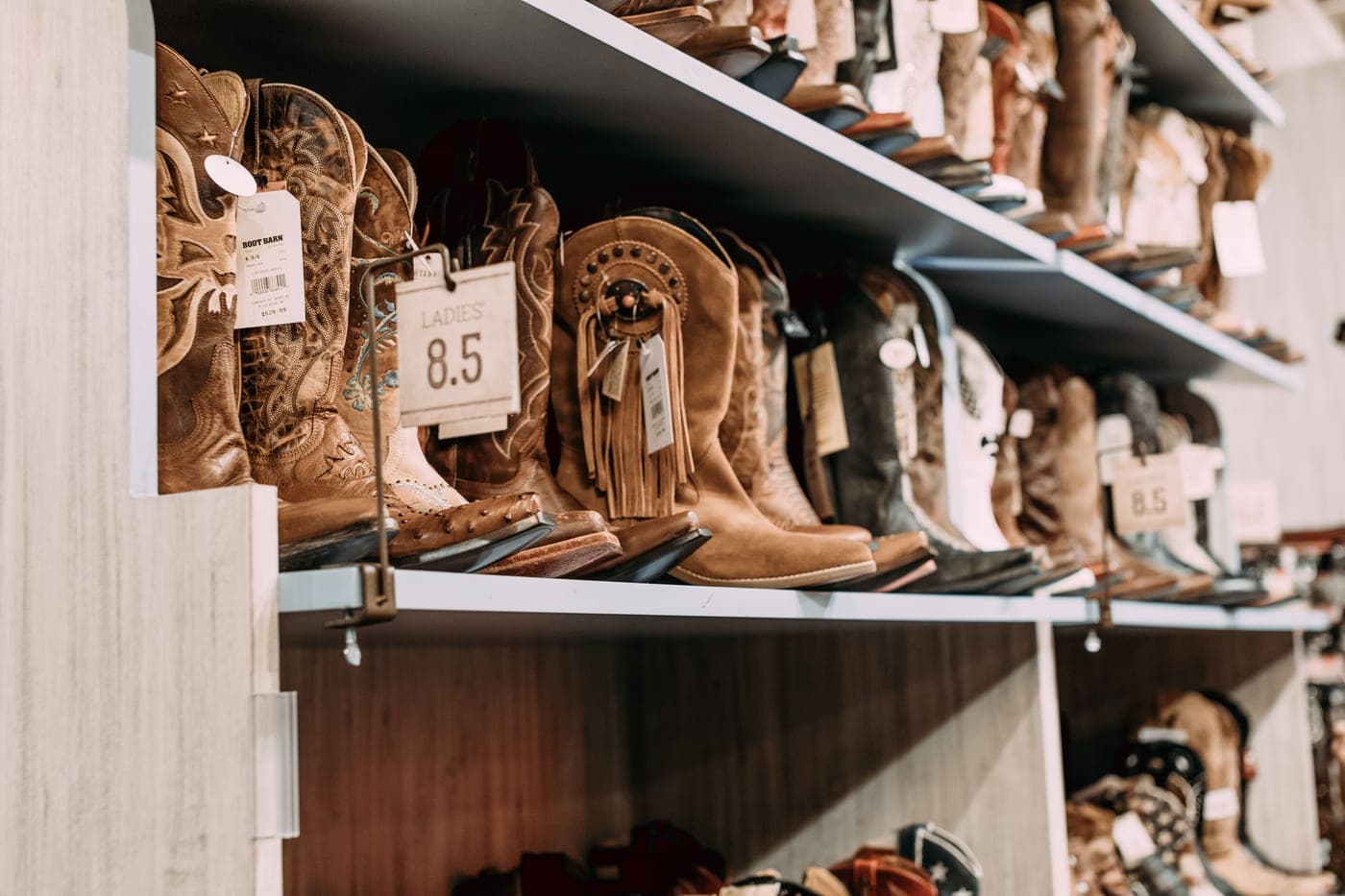
Best first pair
The best cowboy boots for beginners
Eight first pairs matched to real buyers, with the sizing and break-in answers on the same page.
Top pick: Ariat Heritage Roughstock
Spur & Stitch
Thirty-eight pages on choosing a pair, organized by the question you are actually asking.
38 guides in this section
If you are here for your first pair, start with the beginner's roundup and the sizing guide and ignore everything else until you have read both. If you already own boots and are choosing your second pair, the brand guides and comparisons are where the useful detail lives.
The reason this section is so large is that buying a cowboy boot involves four decisions that nobody sets out in one place: the toe shape, which is a fit decision disguised as a style one; the heel height, which decides how the boot walks; the sole material, which decides what weather and what floors it is safe on; and the construction, which decides whether the boot has a second life or ends up in a bin. Brand comes fifth, and it matters far less than any of the four.
Three things, in order. Construction - welted boots that a cobbler can resole start around the $150-$180 mark and are the exception below it. Leather grade - full-grain holds a shape and develops a patina; corrected and split leathers crease sharply and eventually crack. Finishing - lining, stitching, insoles and the care taken at the welt. Above roughly $250 you are buying leather quality and finishing rather than durability or comfort, which is why a first pair rarely needs to cost more than that.
The one question that should actually set your budget is how often will you wear them. A welted boot only returns its premium through resoling, and resoling only happens if the sole wears out. Wear boots twice a year and the expensive pair is simply more expensive. The arithmetic is in how much should cowboy boots cost.
Buying half a size up because the boot feels tight across the instep when new. Cowboy boots have no laces - they hold your foot at the instep and the heel pocket, so that initial tightness is the boot working correctly. Leather relaxes across the width over the first weeks and does not get longer, so a boot bought too long will slip at the heel forever and no insole, sock or heel grip fully fixes it. Snug across the ball, a firm pop over the instep, a quarter to half inch of heel lift, toes clear of the end.
Pick the brand last. Decide the toe shape your foot needs, the heel your day needs and the sole your weather needs, then see which brands make that combination at your budget - you will usually find two or three, and brand preference is a reasonable tiebreaker at that point. The brand map sets out what each maker is actually good at, including the two that sell direct and that we cannot link you to.
Eight first pairs matched to real buyers, with sizing and break-in answered on the same page.
The decision people get wrong most often, because it looks like a style choice and is really a fit one.
What each price band actually buys, and the one question that should set your budget.
Best first pair
Eight first pairs matched to real buyers, with the sizing and break-in answers on the same page.
Top pick: Ariat Heritage Roughstock
Best under $200
Six boots genuinely worth buying under $200, and an honest account of what you give up.
Top pick: Ariat Heritage Roper
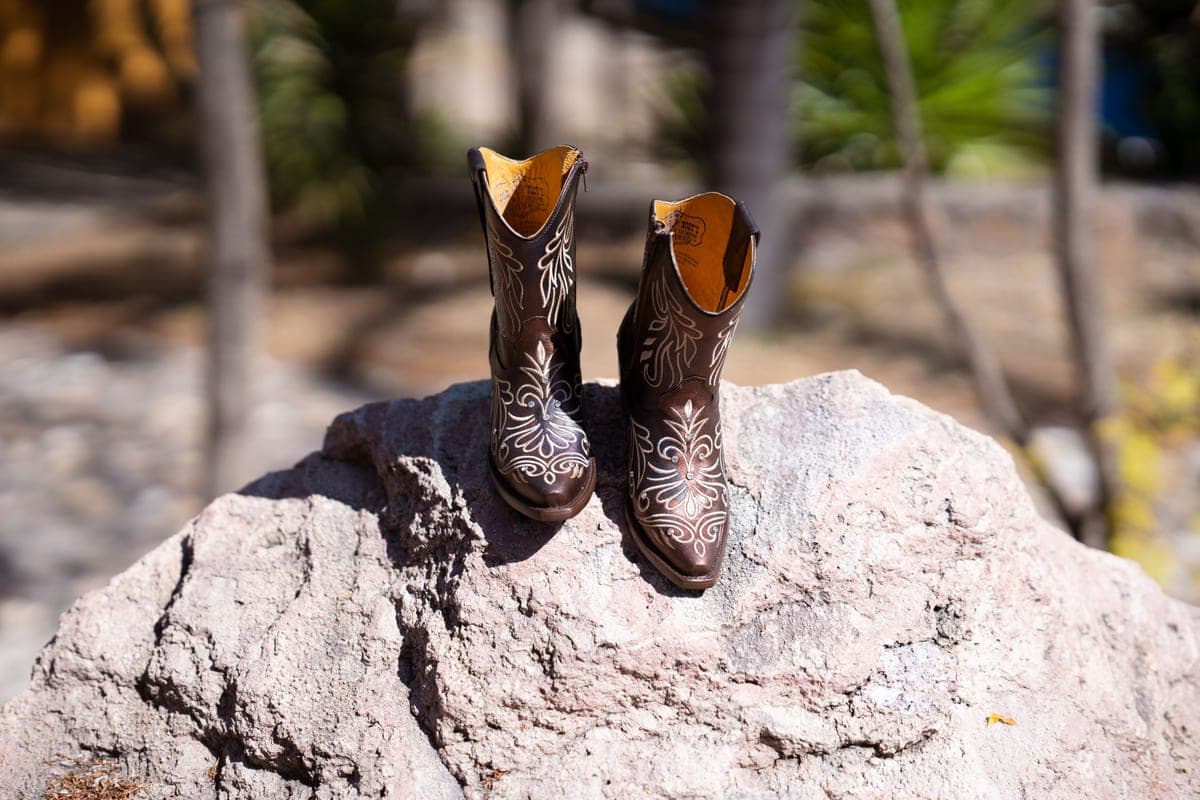
Best for wide feet
Five boots that genuinely fit wide feet - and why a wide toe beats hunting for an EE width.
Top pick: Ariat Sport Wide Square Toe
Reference guide
All seven western toe shapes, what each does to fit and formality, and which suits your foot.
Top pick: Ariat Sport Wide Square Toe
Best for all-day wear
Five boots built for long days upright, and the three features that actually cut fatigue.
Top pick: Twisted X Tech X Boot
Brand map
What each western boot brand is actually good at, who it fits, and where it sits on price.
Top pick: Ariat Heritage Roughstock
For most people a welted, full-grain boot in the $150-$250 band with a toe shape that suits your foot - our beginner's roundup matches eight of them to specific buyers rather than ranking them.
Start at your street shoe size and judge the fit by four checkpoints: a firm pop over the instep, the ball of your foot at the widest part of the boot, a quarter to half inch of heel lift, and about half an inch at the toes.
There is no single answer. Ariat is the safest first purchase because of its sizing predictability and range of widths; Justin for a dressier leather-soled boot; Durango and Twisted X for comfort; Laredo for the lowest entry price.