Start here
The best cowboy boots for beginners
Eight first pairs, each matched to a specific buyer - plus the sizing and break-in answers you will need ten minutes after you order.
By Selena H. · Updated October 13, 2026
Spur & Stitch is reader-funded. As an Amazon Associate we earn from qualifying purchases - at no extra cost to you. Affiliate disclosure
We choose picks by comparing published specifications, construction, sizing guidance and aggregated owner feedback. We have not worn these boots ourselves. How we pick
If this is your first pair, almost nothing you have read so far was written for you. Most cowboy boot guides assume you already know what a welt is, which toe shape suits your foot and why anyone would pay $500 for calfskin. This page assumes none of that.
Here is the short answer. For most first-time buyers the Ariat Heritage Roughstock is the boot least likely to be a mistake: it is welted so it can be resoled, it has a removable cushioned insole so it is wearable on day one, and it comes in enough toe shapes that you can match the boot to your foot instead of the other way round. If you will be standing or walking all day, buy the Rebel by Durango instead. If the boots are for a wedding, buy the Justin Bent Rail.
Below, eight boots each matched to a specific buyer rather than ranked one to eight. That is deliberate. The right first pair depends on the shape of your foot, your budget and what you are actually going to do in them - any list that pretends otherwise is guessing at all three. Before you order anything, read how cowboy boots should fit, because fit is where almost every returned first pair goes wrong.
Quick picks
Tap any row to jump to the full write-up. The price column goes straight to Amazon.
| # | Product | Best for | Price |
|---|---|---|---|
| 1 |  Illustrative photo Illustrative photoAriat Heritage RoughstockYou give up character. | the safest first pair for most men | |
| 2 |  Illustrative photo Illustrative photoAriat Heritage RoperYou give up the silhouette. | anyone who does not want a tall shaft or a tall heel | |
| 3 | Illustrative photo Rebel by Durango Pull-OnYou give up traditional looks and resoleability in the classic sense. | walking and standing all day | |
| 4 | Illustrative photo Justin Bent RailYou give up wet-weather confidence and grip. | a first pair you can wear to a wedding | |
| 5 | Illustrative photo Ariat Sport Wide Square ToeYou give up a dressy line. | wide feet, without ordering a special width | |
| 6 | Illustrative photo Laredo Men's Leather Western BootYou give up longevity and resoleability. | the lowest-risk way to find out if you like boots | |
| 7 | Illustrative photo Twisted X Tech X BootYou give up tradition and resoleability. | the most comfortable thing that still looks western | |
| 8 | Illustrative photo Dan Post MilwaukeeYou give up modern cushioning technology. | a classic stitched boot with an orthotic insole |
#ad - price checked on Amazon at the time you click. Last price check: October 13, 2026. How we are funded
Pick 1
Ariat Heritage Roughstock - best for the safest first pair for most men
Illustrative photoIf you want one boot that will not be a mistake, this is the one most first-time buyers end up in. Ariat publishes a full-grain leather upper, Goodyear welt construction, a 12-inch shaft and a 2-inch western heel, with its Duratread outsole and a removable Pro Performance insole. The reason it suits a beginner is the combination: the welt means it can be resoled instead of thrown away, and the cushioned removable insole means it is wearable on day one rather than after a month of pain. It is sold in a square toe and in narrower shapes, so you can pick the toe that fits your foot rather than taking whatever the model comes in. At the usual street price it sits in the middle of the market - above the mall-brand boots that are glued together, below the handmade tier you do not need yet.
What you give up: You give up character. This is the Toyota Camry of cowboy boots - nobody in a boot shop will be impressed, and the leather will not develop the patina a $400 calfskin boot does.
Good
- Resoleable welt at a mid-market price
- Removable cushioned insole - comfortable from day one
- Sold in several toe shapes and widths
Less good
- Visually unremarkable
- Rubber outsole is not traditional
| Toe | Square (narrower shapes also sold) |
|---|---|
| Shaft | 12 in (per Ariat) |
| Heel | 2 in western |
| Upper | Full-grain leather |
| Construction | Goodyear welt - resoleable |
| Outsole | Duratread (Ariat's rubber compound) |
Pick 2
Ariat Heritage Roper - best for anyone who does not want a tall shaft or a tall heel
Illustrative photoA roper is the quiet entry point into western boots, and this is the one to start with. Ariat's Heritage Roper uses a round toe, a low walking heel and a shorter shaft than the Roughstock, which changes two things for a beginner: it is far easier to walk in on hard floors, and it disappears under a pair of jeans instead of announcing itself. If the thing stopping you buying cowboy boots is that you think you will look like you are in costume, buy a roper first. The same Ariat construction cues apply - full-grain upper, cushioned insole - and because the heel is low, the break-in period is shorter and the ankle rub most people complain about in week one is much milder.
What you give up: You give up the silhouette. A roper is not what people picture when they say cowboy boot, and it will not hold a stirrup the way a riding heel does.
Good
- Easiest western boot to walk in
- Short break-in
- Reads as a normal boot under jeans
Less good
- Not the classic cowboy silhouette
- Low heel is wrong for riding
| Toe | Round |
|---|---|
| Shaft | Short (roper cut) |
| Heel | Low walking heel |
| Upper | Full-grain leather |
| Best use | Walking, standing, everyday wear |
Pick 3
Rebel by Durango Pull-On - best for walking and standing all day
Illustrative photoIf your first pair has to survive a concert, a fairground or a shift on your feet, buy a rubber sole and a low heel - and the Rebel is the clearest version of that. Durango publishes full-grain antiqued leather, a double-row welt stitch, a flexible dual-density outsole made with slip-, oil- and abrasion-resisting rubber, a 1.5-inch rocker heel, a tempered steel shank and a cushioned, ventilated footbed. The rocker heel is the detail beginners underrate: it rolls the step forward instead of dropping your weight onto a stacked heel, which is why this boot does not punish you at hour six. The 11-inch pull-on shaft with pull straps also makes it one of the easier boots to get on without a boot jack.
What you give up: You give up traditional looks and resoleability in the classic sense. The dual-density rubber sole is a cobbler job, not a simple leather resole, and purists will clock it instantly.
Good
- Genuinely comfortable standing all day
- Grippy in wet weather
- Easy to pull on
Less good
- Not a traditional sole
- Antiqued finish is not for everyone
| Toe | Square |
|---|---|
| Height | 11 in (12 in on some models) |
| Upper | Full-grain antiqued leather |
| Outsole | Dual-density rubber, slip and oil resisting |
| Heel | 1.5 in rocker |
| Support | Tempered steel shank |
Pick 4
Justin Bent Rail - best for a first pair you can wear to a wedding
Illustrative photoJustin's Bent Rail collection is the answer to a question beginners ask constantly: which cowboy boot does not look like a work boot. Justin publishes a leather upper over a leather outsole with a double-stitched welt, an 11-inch boot height, a broad square toe and its J-Flex insole. The leather outsole is the part that matters for dressing up - it is thinner and quieter than rubber, it takes a shine, and it is why this boot reads as footwear rather than equipment. The broad square toe keeps it comfortable despite that. Justin states the line is handcrafted in the USA with globally sourced materials, which is unusual at this price.
What you give up: You give up wet-weather confidence and grip. A leather sole is slick on tile and wet pavement until it wears in, and it is not what you want for a muddy field.
Good
- Dressy leather sole at a mid price
- Broad square toe is roomy
- Resoleable welt
Less good
- Slick on smooth and wet surfaces
- Leather sole needs protecting
| Toe | Broad square |
|---|---|
| Height | 11 in (per Justin) |
| Outsole | Leather, double-stitched welt |
| Insole | J-Flex Flexible Comfort System |
| Made | USA with globally sourced materials |
Pick 5
Ariat Sport Wide Square Toe - best for wide feet, without ordering a special width
Illustrative photoWide feet are the single most common reason a first pair gets returned, and the usual advice - order a D or EE width - only helps if the retailer stocks it. A wide square toe solves the problem from the other direction by giving the front of the foot room in the toe box itself, which is where the pain actually is. Ariat's Sport line is built on that wide square shape with a lightweight rubber outsole and a cushioned footbed, and it is the pair to try before you start paying for custom widths. Order your normal size first: a wide square toe already buys you most of the room a width letter would, and going up a half size usually produces heel slip instead of comfort.
What you give up: You give up a dressy line. A wide square toe is a blunt, modern shape - it looks right with bootcut jeans and wrong with a suit.
Good
- Toe-box room without hunting for a width
- Light for a western boot
- Easy on hard floors
Less good
- Blunt modern shape
- Not a dress boot
| Toe | Wide square |
|---|---|
| Upper | Leather |
| Outsole | Lightweight rubber |
| Footbed | Cushioned |
| Fit note | Order your normal size, not a half up |
Pick 6
Laredo Men's Leather Western Boot - best for the lowest-risk way to find out if you like boots
Illustrative photoLaredo is the brand to buy if you genuinely do not yet know whether cowboy boots are for you. Laredo's men's leather boots typically pair a broad square or traditional toe with a rubber outsole, a stockman heel and a cushion comfort insole, and some models include a removable orthotic. The honest case for them is economic, not technical: at roughly a third of the price of a welted boot you can find out whether you actually wear western boots twice a week or twice a year, and that answer is worth more than any spec. If you wear them out, you have learned you are a boot person and you can buy properly next time.
What you give up: You give up longevity and resoleability. These are built to a price - expect a few years of regular wear, not a decade, and expect to replace rather than resole.
Good
- Lowest cost of entry
- Rubber sole is forgiving
- Widely stocked
Less good
- Not resoleable in practice
- Thinner leather
- Finish varies between models
| Toe | Broad square / traditional, by model |
|---|---|
| Outsole | Rubber |
| Heel | Stockman |
| Insole | Cushion comfort, removable on some models |
| Position | Budget |
Pick 7
Twisted X Tech X Boot - best for the most comfortable thing that still looks western
Illustrative photoTwisted X builds western boots the way an athletic brand would, and the Tech X is the clearest example. The company describes CellStretch comfort technology activating more than 100 individual pressure points in the heel and ball of the foot, a Blend85 recycled foam footbed, a nylon and glass-fiber shank, and a rubber outsole infused with blended rice husk, with a tapered heel and an integrated spur shelf. In plain terms: it is engineered for standing, and people who try it after a traditional boot usually do not go back. For a beginner it removes the break-in problem almost entirely, which is why it belongs on a shortlist even though it is the least traditional boot here.
What you give up: You give up tradition and resoleability. This is a modern composite boot - a bootmaker cannot rebuild it, and it will never patina like leather-soled calfskin.
Good
- Almost no break-in
- Best-in-class for standing
- Light
Less good
- Least traditional construction
- Not resoleable
- Sneaker-adjacent to purists
| Comfort | CellStretch pressure-point system (per Twisted X) |
|---|---|
| Footbed | Blend85 recycled foam |
| Shank | Nylon / glass fiber |
| Outsole | Rubber with blended rice husk |
| Heel | Tapered, integrated spur shelf |
Pick 8
Dan Post Milwaukee - best for a classic stitched boot with an orthotic insole
Illustrative photoThe Milwaukee is the Dan Post boot most people mean when they say Dan Post: classic western stitching on the shaft, a cowboy heel, and the brand's Soft Strike removable orthotic insole. The removable insole is the practical reason to care. If you wear your own orthotic or need more arch support than a boot comes with, a removable footbed is the difference between a boot that works and a boot that sits in the closet - and most boots in this price band are glued in. Dan Post's shapes run more traditional than Ariat's, so if you have been looking at square toes and finding them clumsy, this is the alternative to try.
What you give up: You give up modern cushioning technology. This is a conventional boot with a good insole, not an engineered comfort system.
Good
- Removable insole takes your own orthotic
- Traditional lines
- Well-known, easy to find
Less good
- Cowboy heel needs more break-in
- Less cushioning than sport lines
| Toe | Traditional / pointed and square options |
|---|---|
| Insole | Soft Strike removable orthotic |
| Heel | Cowboy heel |
| Upper | Leather, western stitch pattern |
#ad - price checked on Amazon at the time you click. Last price check: October 13, 2026. How we are funded
How to choose your first pair
Four decisions decide whether you wear your boots or resent them. Everything else is taste.
1. Toe shape, which is really a fit decision
A square toe gives your toes room across the front; a round toe is the middle ground; a snip or pointed toe narrows to a point and is the least forgiving on a wide foot. Beginners pick toe shape on looks and then find out it was a comfort decision. If your feet are wide, start square and read cowboy boot toe shapes before ordering.
2. Heel height, which is really a walking decision
A traditional riding heel - roughly two inches, angled - exists to stop your foot sliding through a stirrup. If you are not riding, it is doing nothing for you except changing how you walk. A roper or walking heel of about an inch is far easier on hard floors and far easier to learn in. See cowboy boot heel types for the full picture.
3. Sole material, which is really a weather decision
Leather soles are thinner, dressier and traditional - and slick when new, bad in rain and quick to wear on concrete. Rubber soles grip, last longer on pavement and look less formal. For one pair that does everything, rubber is the honest answer; for a wedding boot, leather. Our full breakdown is at leather sole vs rubber sole.
4. Price, which is really a frequency decision
A $120 boot and a $250 boot are not the same product, but the gap matters only if you wear them often. If you are buying for one concert, buy at the bottom. If you expect to wear boots weekly, the welted mid-tier costs less per year because it can be resoled. We put real numbers on that in how much cowboy boots should cost.
What a first pair should cost
| Budget | What you get | Who it suits |
|---|---|---|
| Under $150 | Leather upper, rubber sole, glued construction, cushioned insole | One event, or finding out whether you like boots at all |
| $150-$250 | Full-grain leather, welted construction, removable insole, real brand sizing | Anyone expecting to wear boots regularly - the sweet spot |
| $250-$400 | Better leather, leather soles, dressier lasts, more shape options | A second pair, or a first pair for a specific formal occasion |
| $400+ | Handmade or near-handmade, exotic leathers, bench-made construction | Not a first pair. Buy here once you know your size and your taste |
What to do the week your boots arrive
- Try them on indoors, on carpet, with the socks you will actually wear. Boots worn outside cannot be returned.
- Check the four fit points: ball of foot snug, instep firm, a quarter to half inch of heel lift, toes clear of the end.
- If anything is wrong, send them back. Do not plan to break in a boot that is the wrong size - that is not a thing that works.
- If they are right, wear them an hour a day indoors for a week before you wear them out. The full method is in how to break in cowboy boots.
- Buy a boot jack and a pair of mid-calf socks before the first full day out. Both solve problems you will otherwise discover the hard way.
The two things to buy with your boots
Neither is glamorous and both prevent a specific, common problem: the jack stops you crushing the heel counter pulling boots off, and proper socks stop the shaft rubbing your calf raw.
These links go to Amazon and we earn a commission if you buy. How we pick.
#ad - price checked on Amazon at the time you click. Last price check: October 13, 2026. How we are funded
Common questions
What is the best cowboy boot brand for a beginner?
Ariat, for one reason that has nothing to do with quality: its sizing is predictable and it sells more toe shapes and widths than anyone else at the price. That means you can order online with a reasonable chance of the boot fitting, which matters more for a first pair than any difference in leather.
Should I size up or down in cowboy boots?
Neither, for most people. Start at your normal shoe size. Cowboy boots have no laces, so they rely on the instep to hold your foot - sizing up creates heel slip that no insole fixes. If you are between sizes or have wide feet, read our sizing guide rather than guessing.
How much should I spend on my first pair of cowboy boots?
Between $150 and $250 if you expect to wear them regularly, because that is where welted, resoleable construction starts. Under $150 is the right call if you are buying for a single event or are not yet sure boots are for you.
Are cowboy boots comfortable to walk in?
A well-fitting pair with a low heel is comfortable; a tall riding heel on a leather sole takes real practice. The arch support in a boot is firmer than in a sneaker, which some people love and some cannot get on with. If comfort is the priority, start with a roper or a rubber-soled boot.
How long do cowboy boots take to break in?
One to two weeks of regular wear for a standard leather boot, and almost none for a rubber-soled modern boot like a Twisted X. If a boot still hurts after three weeks of correct break-in, it is the wrong size or the wrong shape - not a boot that needs more time.
Can I wear cowboy boots if I have wide feet?
Yes, and a wide square toe is usually a better answer than a wider size. The width letter changes the whole boot; the toe shape changes the part that actually hurts. Try a wide square toe in your normal size before you go hunting for EE widths.
Sources
About the author
Selena H.
Selena H. is the owner and editor of Spur & Stitch. She started the site after discovering how much western-boot buying advice assumes you already know what a welt is. Every guide here is written for the person buying their first pair.
Read next
Fit & sizing
The cowboy boot sizing guide
How western sizing works, the four fit checkpoints, and how to order online without guessing.
Fit & sizing
How to break in cowboy boots
A safe seven-step break-in method, how long it takes, and the shortcuts that ruin leather.
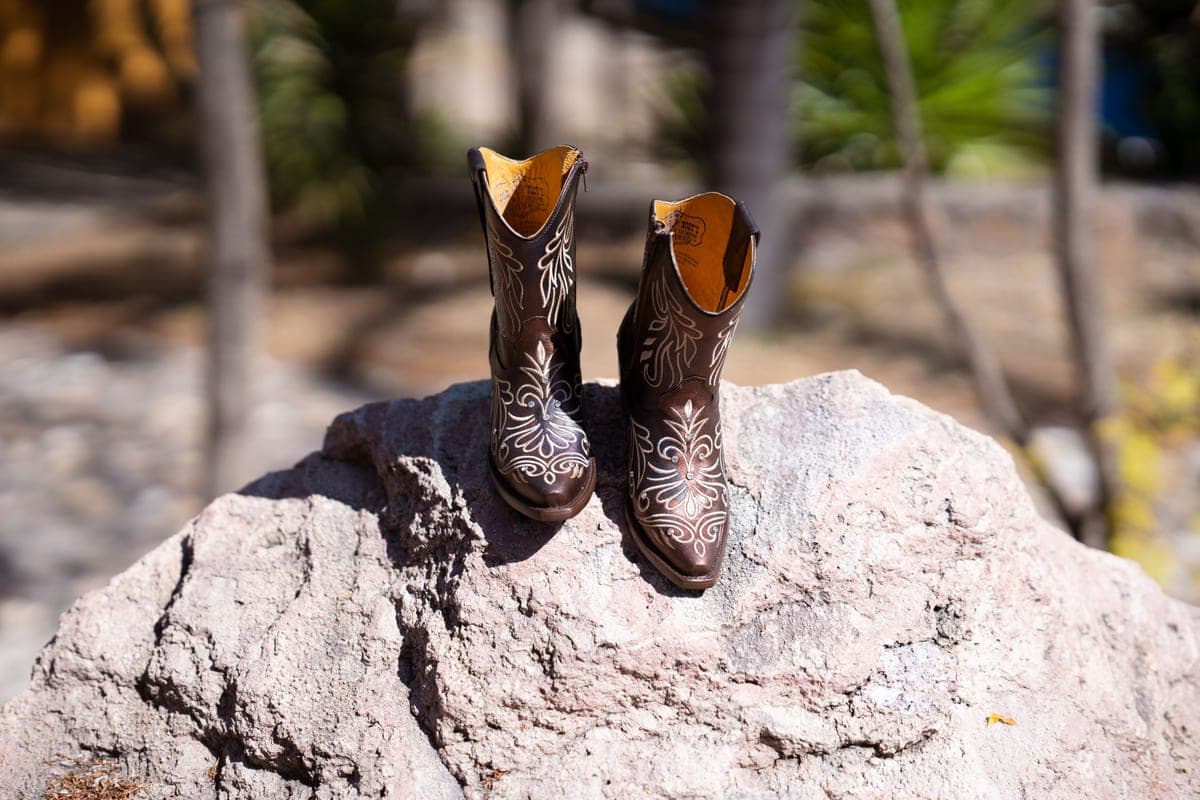
Boots
Cowboy boot toe shapes, explained
All seven western toe shapes, what each does to fit and formality, and which suits your foot.
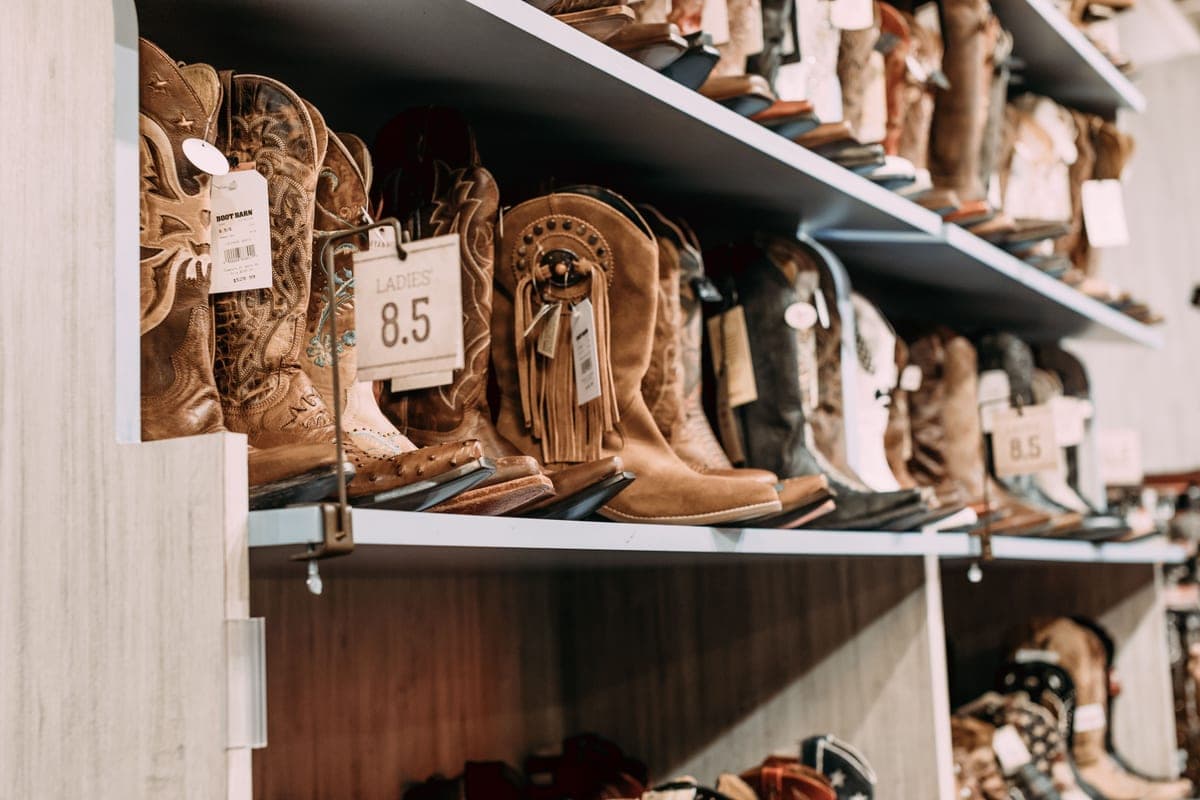
Boots
The best cowboy boots under $200
Six boots genuinely worth buying under $200, and an honest account of what you give up.
Western wear
The western starter kit
Five pieces in buying order, with an honest note on which you can skip.