Alternatives
Ariat alternatives: six boots to buy instead, matched model for model
Ariat outsells every other western brand for good reasons. These are the boots to buy when one of those reasons does not apply to you.
By Selena H. · Updated November 19, 2026
Spur & Stitch is reader-funded. As an Amazon Associate we earn from qualifying purchases - at no extra cost to you. Affiliate disclosure

We choose picks by comparing published specifications, construction, sizing guidance and aggregated owner feedback. We have not worn these boots ourselves. How we pick
Ariat is the best-selling western boot brand in the country and most of the time that is deserved. It also means a very large number of people end up in an Ariat by default rather than by choice - and then discover that the last is wrong for their foot, that the rubber Duratread sole is not the look they wanted, or that the exact shape they like sits in a line they cannot afford. This page is for those people. Every pick below is matched to a specific Ariat model, so you can swap one for one instead of starting your research over.
The single closest swap is the Justin Austin II Bent Rail. It covers the same ground as an Ariat Heritage - a welted, resoleable, mid-priced western boot - but over a leather outsole rather than a rubber one, which is the detail most people are actually chasing when they say an Ariat looks too much like a work boot. If you want the all-day comfort Ariat is known for without Ariat, it is the Twisted X Tech X; if the problem is purely price, it is Laredo.
Two disclosures before the list, because they change how you should read it. First, we link Ariat too - several Ariats are among the most-linked boots on this site, so we earn either way and have no incentive to talk you out of one. Second, we have not worn these boots side by side. Every specification below is what the maker or the live retailer listing publishes, and where listings disagree we say so. Our standing rules are on how we pick.
Quick picks
Tap any row to jump to the full write-up. The price column goes straight to Amazon.
| # | Product | Best for | Price |
|---|---|---|---|
| 1 | 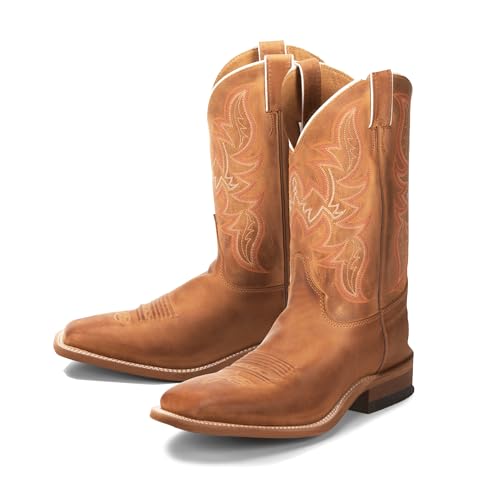 Justin Austin II Bent RailYou give up wet-weather confidence and grip. | a first pair you can wear to a wedding | |
| 2 | 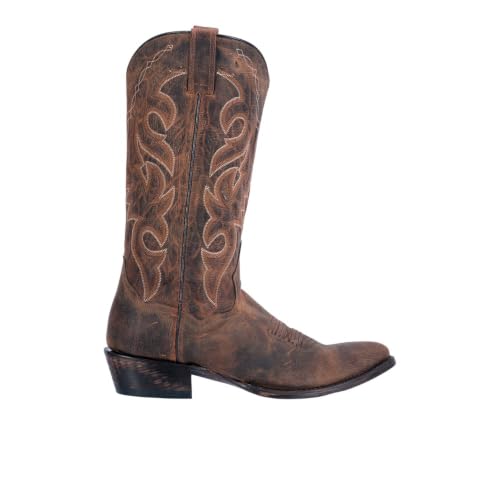 Dan Post RenegadeYou give up grip. | a traditional leather sole and a mid-calf shaft | |
| 3 | 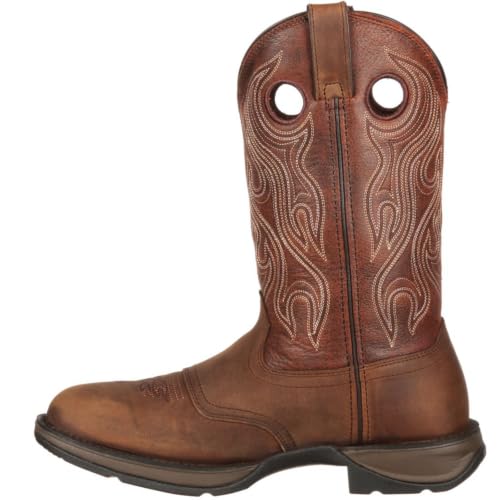 Rebel by Durango Pull-OnYou give up traditional looks and resoleability in the classic sense. | walking and standing all day | |
| 4 | 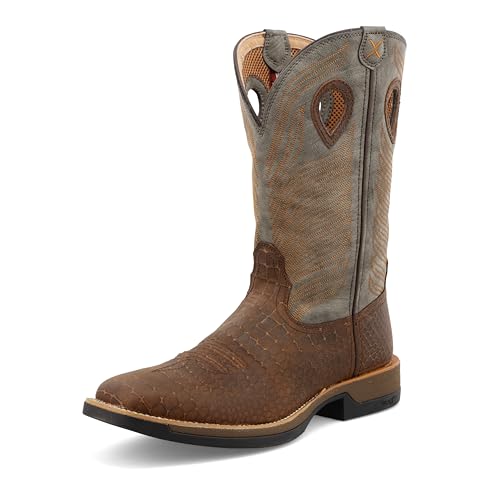 Twisted X Tech X BootYou give up tradition and resoleability. | the most comfortable thing that still looks western | |
| 5 | 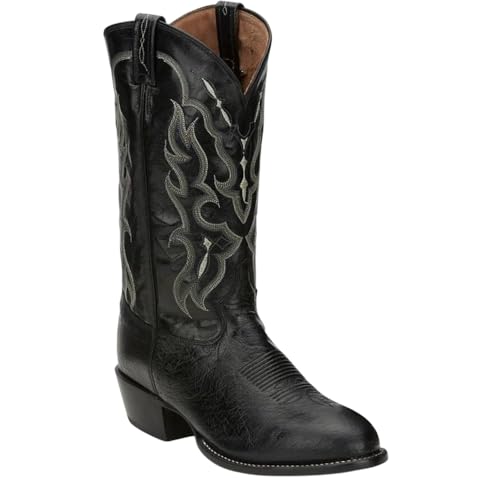 Tony Lama Bonham Smooth OstrichYou give up toe-box room and cost. | a dressier traditional boot with a tall shaft | |
| 6 | 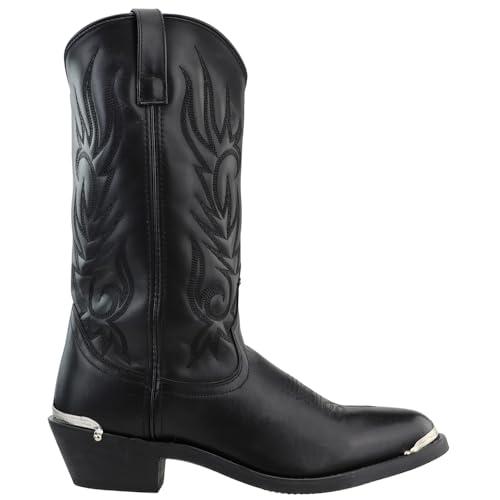 Laredo McComb Round Toe Western BootYou give up longevity and resoleability. | the lowest-risk way to find out if you like boots |
#ad - price checked on Amazon at the time you click. Last price check: November 28, 2026. How we are funded
What Ariat is actually known for
It is worth being precise about this, because which alternative suits you depends entirely on which part of the Ariat proposition you are replacing. Ariat came out of the equestrian world and built its western range on athletic-footwear thinking, and three things follow from that. Its ATS footbed and removable All Day Cushioning insoles mean an Ariat is usually wearable on day one instead of after a month of break-in - Ariat publishes both on the Heritage R Toe, alongside an 11-inch shaft and a 1.75-inch dress heel. Its Duratread outsole is a durable rubber compound rather than a traditional leather sole. And its size and width range is the broadest in the category, which is the single biggest reason it is the safe recommendation for a first pair.
On top of that, Ariat runs a clear ladder of lines, and knowing which rung you were standing on is most of the work. The Heritage line is the welted, full-grain, resoleable tier. The Sport line is lighter and cheaper, built on rubber outsoles and modern lasts. Round Up is the women's range. Groundbreaker and WorkHog are the work boots. The matching table further down tells you where to step instead of each one.
The four reasons people look for an alternative
- The last does not suit your foot. This is the big one and it has nothing to do with quality. A last is the wooden or plastic form a boot is built around, and every maker uses its own. If an Ariat pinches over the instep in a length that is otherwise correct, that is the last, and no amount of break-in changes the shape of a last. The fix is a different maker, not a different size.
- You want a leather outsole. Duratread is a good rubber sole and it is on most of what Ariat makes. If you want the thinner, quieter leather sole that reads as dress-western rather than ranch, you are looking at Justin, Dan Post or Tony Lama - the trade-off is spelled out in leather sole vs rubber sole.
- You want to spend less. Ariat's floor sits above Laredo's and its mid-range sits above Durango's. If this pair is an experiment rather than a commitment, there is a cheaper way to run it.
- You want something other people are not wearing. A completely legitimate reason. Ariat's volume is its own drawback at a show or a wedding, and Tony Lama in particular makes boots that read as more individual at a comparable price.
How we picked
By working backwards from those four reasons rather than ranking brands in the abstract. A boot earned a place here only if it cleared all four of these:
- It replaces a specific Ariat model, not Ariat in general. Every pick is matched to a named model in the table below, so the swap is actionable rather than directional.
- It is currently sold new through the retailer we link to. An alternative you have to hunt for secondhand is not an alternative.
- Its construction is published, not implied. Where a maker states a welt, a leather outsole or a shank, we say so; where only a retailer listing states it, we say that instead.
- It has a drawback we can name. Every entry below carries the thing you give up. A boot with no stated downside is a boot nobody looked at closely.
Pick 1
Justin Austin II Bent Rail - best for a first pair you can wear to a wedding
Justin's Bent Rail collection is the answer to a question beginners ask constantly: which cowboy boot does not look like a work boot. Justin publishes a leather upper over a leather outsole with a double-stitched welt, an 11-inch boot height, a broad square toe and its J-Flex insole. The leather outsole is the part that matters for dressing up - it is thinner and quieter than rubber, it takes a shine, and it is why this boot reads as footwear rather than equipment. The broad square toe keeps it comfortable despite that. Justin states the line is handcrafted in the USA with globally sourced materials, which is unusual at this price.
What you give up: You give up wet-weather confidence and grip. A leather sole is slick on tile and wet pavement until it wears in, and it is not what you want for a muddy field.
Good
- Dressy leather sole at a mid price
- Broad square toe is roomy
- Resoleable welt
Less good
- Slick on smooth and wet surfaces
- Leather sole needs protecting
| Toe | Broad square |
|---|---|
| Height | 11 in (per Justin) |
| Outsole | Leather, double-stitched welt |
| Insole | J-Flex Flexible Comfort System |
| Made | USA with globally sourced materials |
Pick 2
Dan Post Renegade - best for a traditional leather sole and a mid-calf shaft
The live Renegade listing publishes a leather upper with embroidered stitching on the shaft, a round toe, pull-on entry, full leather lining, a removable insole and a leather outsole, on a mid-calf shaft. The leather sole is the reason to pick it: it is the traditional western construction, it reads as a dressier boot than a rubber-soled sport boot, and a cobbler can replace it rather than you replacing the boot. The embroidered shaft also forgives the scuffs a first pair inevitably collects in month one, which is a real advantage when you are still learning not to kick doorframes.
What you give up: You give up grip. A leather sole is slick on wet tile until it wears in, and a mid-calf pull-on takes more effort to get on and off than a roper.
Good
- Traditional leather outsole
- Embroidered shaft hides early scuffs
- Removable insole
Less good
- Harder to pull on
- Leather sole is slick when new
| Toe | Round (per listing) |
|---|---|
| Shaft | Mid-calf (per listing) |
| Outsole | Leather |
| Lining | Full leather |
| Insole | Removable |
Pick 3
Rebel by Durango Pull-On - best for walking and standing all day
If your first pair has to survive a concert, a fairground or a shift on your feet, buy a rubber sole and a low heel - and the Rebel is the clearest version of that. Durango publishes full-grain antiqued leather, a double-row welt stitch, a flexible dual-density outsole made with slip-, oil- and abrasion-resisting rubber, a 1.5-inch rocker heel, a tempered steel shank and a cushioned, ventilated footbed. The rocker heel is the detail beginners underrate: it rolls the step forward instead of dropping your weight onto a stacked heel, which is why this boot does not punish you at hour six. The 11-inch pull-on shaft with pull straps also makes it one of the easier boots to get on without a boot jack.
What you give up: You give up traditional looks and resoleability in the classic sense. The dual-density rubber sole is a cobbler job, not a simple leather resole, and purists will clock it instantly.
Good
- Genuinely comfortable standing all day
- Grippy in wet weather
- Easy to pull on
Less good
- Not a traditional sole
- Antiqued finish is not for everyone
| Toe | Square |
|---|---|
| Height | 11 in (12 in on some models) |
| Upper | Full-grain antiqued leather |
| Outsole | Dual-density rubber, slip and oil resisting |
| Heel | 1.5 in rocker |
| Support | Tempered steel shank |
Pick 4
Twisted X Tech X Boot - best for the most comfortable thing that still looks western
Twisted X builds western boots the way an athletic brand would, and the Tech X is the clearest example. The company describes CellStretch comfort technology activating more than 100 individual pressure points in the heel and ball of the foot, a Blend85 recycled foam footbed, a nylon and glass-fiber shank, and a rubber outsole infused with blended rice husk, with a tapered heel and an integrated spur shelf. In plain terms: it is engineered for standing, and people who try it after a traditional boot usually do not go back. For a beginner it removes the break-in problem almost entirely, which is why it belongs on a shortlist even though it is the least traditional boot here.
What you give up: You give up tradition and resoleability. This is a modern composite boot - a bootmaker cannot rebuild it, and it will never patina like leather-soled calfskin.
Good
- Almost no break-in
- Best-in-class for standing
- Light
Less good
- Least traditional construction
- Not resoleable
- Sneaker-adjacent to purists
| Comfort | CellStretch pressure-point system (per Twisted X) |
|---|---|
| Footbed | Blend85 recycled foam |
| Shank | Nylon / glass fiber |
| Outsole | Rubber with blended rice husk |
| Heel | Tapered, integrated spur shelf |
Pick 5
Tony Lama Bonham Smooth Ostrich - best for a dressier traditional boot with a tall shaft
Tony Lama sits in the slot between the mid-market brands and the handmade tier, and the Bonham is its El Paso Collection boot - the live listing is the smooth ostrich version, with a 13-inch shaft, a round toe, a Cushion Comfort insole and a steel shank over a leather outsole and three-quarter welt. The reason to put it on a beginner's list is the proportion: Tony Lama's shapes are narrower and more upright than the square-toe mainstream, so a boot like this works with a dress trouser in a way a wide square toe never will. If the occasion you are buying for is a wedding or a night out rather than a fairground, start here and in Justin's Bent Rail rather than in the sport lines.
What you give up: You give up toe-box room and cost. The narrower last is unforgiving if your foot is wide, and the price sits above the entry brands.
Good
- Dressier proportions
- Tall shaft
- Step up in finish
Less good
- Tight for wide feet
- Higher price than entry brands
| Shaft | 13 in (per Tony Lama) |
|---|---|
| Toe | Round (per listing) |
| Upper | Smooth ostrich leather (per listing) |
| Outsole | Leather, three-quarter welt |
| Fit | Narrower, more upright last |
| Insole | Cushion comfort, steel shank |
Pick 6
Laredo McComb Round Toe Western Boot - best for the lowest-risk way to find out if you like boots
Laredo is the brand to buy if you genuinely do not yet know whether cowboy boots are for you. Laredo's men's leather boots typically pair a broad square or traditional toe with a rubber outsole, a stockman heel and a cushion comfort insole, and some models include a removable orthotic. The honest case for them is economic, not technical: at roughly a third of the price of a welted boot you can find out whether you actually wear western boots twice a week or twice a year, and that answer is worth more than any spec. If you wear them out, you have learned you are a boot person and you can buy properly next time.
What you give up: You give up longevity and resoleability. These are built to a price - expect a few years of regular wear, not a decade, and expect to replace rather than resole.
Good
- Lowest cost of entry
- Rubber sole is forgiving
- Widely stocked
Less good
- Not resoleable in practice
- Thinner leather
- Finish varies between models
| Toe | Broad square / traditional, by model |
|---|---|
| Outsole | Rubber |
| Heel | Stockman |
| Insole | Cushion comfort, removable on some models |
| Position | Budget |
#ad - price checked on Amazon at the time you click. Last price check: November 28, 2026. How we are funded
Model for model: which Ariat swaps for what
| If you were looking at | Because you wanted | Buy instead |
|---|---|---|
| Heritage Roughstock / Heritage R Toe | A welted, resoleable mid-priced boot | Justin Austin II Bent Rail - same tier, over a leather outsole |
| Heritage Roper | A low heel and a shorter shaft | Dan Post Renegade - round toe, leather outsole, mid-calf shaft |
| Sport Wide Square Toe | Toe-box room without hunting for a width letter | Rebel by Durango - broad square toe on a rocker heel |
| Sport Narrow Cutter Toe | A dressier, narrower shape | Tony Lama - a narrower, more upright last over a leather outsole |
| Any Ariat bought for comfort | To stand in boots all day | Twisted X Tech X - the most engineered footbed in the category |
| Any Ariat at all, on a budget | To find out whether you are a boot person | Laredo - roughly a third of the price of a welted boot |
One gap worth naming: there is no good one-for-one replacement for Ariat's width range. If you wear an EE or wider and the model you want is only sold in a D, the honest answer is to go back to Ariat rather than to force a narrower boot to work. A wide square toe buys back some of that room from the other direction, and the best cowboy boots for wide feet covers which shapes actually do it.
What you give up by leaving Ariat
- Width availability. Nothing else at this price sells as many width letters across as many models. Justin and Dan Post both offer EE on plenty of styles, but not on all of them - check the specific model before you fall in love with the leather.
- Day-one comfort. Ariat's removable cushioned insoles do a great deal of quiet work. A traditional welted boot over a leather outsole will take a few weeks to settle, and the fix in the meantime is a decent aftermarket insole rather than willpower.
- Easy returns and easy sizing. Ariat is stocked almost everywhere, which makes a size swap routine. Smaller lines sell through fewer doors, so read the return window before you order rather than after.
What you gain
A last that might simply suit your foot better - which is not something you can reason your way to, only discover by trying a different maker. Beyond that: a leather outsole at a price Ariat does not really compete at, from Justin, Dan Post and Tony Lama; a rocker heel from Durango that is noticeably kinder on concrete than a stacked western heel; and, from Twisted X, a composite footbed that is more comfortable than anything traditional construction can offer. If one of those is the thing you felt was missing, the switch is worth making.
Two things worth buying with any of these
If your swap has a leather outsole, fit a half-sole protector before you wear it outside - it costs a fraction of a resole and makes the boot usable on wet pavement. A conditioner keeps a new upper from drying out in its first year.
These links go to Amazon and we earn a commission if you buy. How we pick.
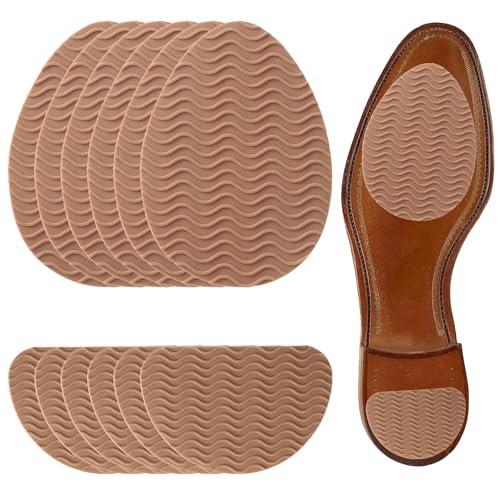
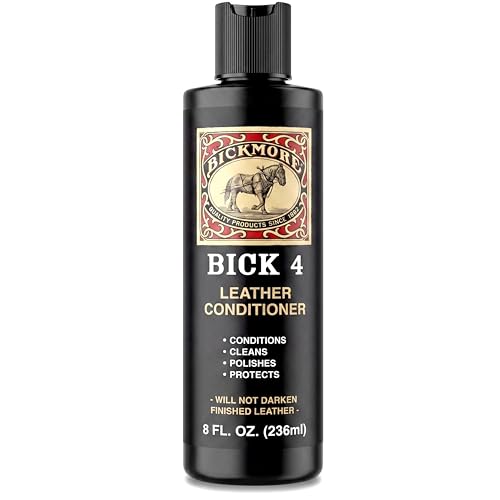
#ad - price checked on Amazon at the time you click. Last price check: November 28, 2026. How we are funded
Switching makers without a second return
- Do not carry your Ariat size across. Sizing is a function of the last, and the last is exactly what you are changing. Start at your street shoe size and read the specific model's reviews for a pattern.
- Decide the toe shape before the brand - it is a fit decision disguised as a style one. All seven shapes are laid out in cowboy boot toe shapes.
- If a width letter is the reason you are leaving, confirm the replacement model is sold in it before you order a color.
- Try them indoors on carpet, over the socks you will actually wear. A firm pop over the instep, the ball of your foot at the widest part of the boot, a quarter to half inch of heel lift, toes clear of the end - the full checklist is in how cowboy boots should fit.
- A red mark on the instep or forefoot after ten minutes indoors is not break-in. Send them back.
If an Ariat is still the right answer, buy the Ariat
For a large share of first-time buyers it is, and we would rather say so than sell you a switch you did not need. If what you want is the broadest range of widths, a boot that is comfortable the day it arrives, and a brand you can return to anywhere, that is Ariat's entire pitch and nobody matches it at the price. Where the brand sits against its closest rivals is covered in Justin vs Ariat and Ariat vs Tecovas. What this page is for is the much more specific case: a foot Ariat's last does not suit, a sole you want in leather, or a budget that does not stretch to one.
And if you are earlier in this than you think - first pair, no real idea of your size - read the best cowboy boots for beginners first and come back. Choosing a brand is the last decision, not the first one. If the color you had in mind was black rather than brown, the best black cowboy boots is the shortlist for that. And if you have decided to stay with Ariat after all, the best Ariat boots matches a model to each job.
Common questions
What brand is comparable to Ariat?
Justin is the closest like-for-like: the same mid-market price band, welted construction on several lines, and a comparable spread of widths. Dan Post and Tony Lama sit a step toward dress-western with leather outsoles, Durango undercuts Ariat on price with rubber-soled comfort boots, and Twisted X beats it outright on comfort with composite construction.
Why do Ariat boots hurt my instep?
Usually because the last is wrong for your foot rather than the size being wrong. Ariat's western lasts tend to run closer through the instep than through the toe box, so a high instep can feel pressure over the top even at a correct length. Break-in softens a leather upper but it does not change the shape of the last, so the fix is a different maker.
Are Ariat boots resoleable?
The Heritage line is built with a welt and can be resoled. The Sport line and most of the lighter models are not traditionally welted, and a cobbler will treat those as a rebuild rather than a resole. Read the specific model rather than the brand - this is true of nearly every western maker, Justin and Dan Post included.
Is there a cheaper boot than Ariat that is still good?
Durango and Laredo both sit below Ariat on price. Durango's Rebel is the better boot of the two - a double-row welt stitch, a dual-density rubber outsole and a rocker heel that is easier on concrete. Laredo is cheaper still, and is best understood as a way to find out whether you wear boots often enough to justify a welted pair later.
Which brand has a wider toe box than Ariat?
Durango's broad square toes and Twisted X's wide square shapes both run roomier through the forefoot than Ariat's standard square. If the pain is across the ball of your foot rather than over the instep, a broad square toe fixes it more reliably than a width letter does.
Do Ariat and Justin fit the same?
No, and you should not carry a size across. They are different lasts from different makers, and Justin's traditional lines in particular run differently from Ariat's sport shapes. Start from your street shoe size and check the individual model's reviews.
Sources
- Ariat - Women's Heritage R Toe Western Boot, style 10001021 (11 in shaft, 1.75 in dress heel, full-grain leather, ATS, removable All Day Cushioning, Duratread)
- Justin Boots - Bent Rail collection (leather outsole, double-stitched welt, J-Flex insole)
- Durango - Rebel pull-on western boot specifications
- Twisted X - CellStretch and Blend85 footbed technologies
About the author
Selena H.
Selena H. is the owner and editor of Spur & Stitch. She started the site after discovering how much western-boot buying advice assumes you already know what a welt is. Every guide here is written for the person buying their first pair.
Read next
Boots
Ariat boots: what they make and who they fit
What Ariat makes, how the lines differ, and whether the sizing runs true for a first pair.
Boots
Justin Boots vs Ariat
Construction, soles, sizing and comfort compared - with a clear answer for a first pair.
Boots
The best cowboy boot brands, and what each one is good at
What each western boot brand is actually good at, who it fits, and where it sits on price.
Boots
The best black cowboy boots, by what you are wearing them with
Six black western boots, from a sub-budget square toe to a dress exotic, matched to what you will wear them with.
Boots
Tecovas alternatives: six boots that scratch the same itch
Six welted, full-grain western boots for the Tecovas shopper who needs a width, a try-on or an easy return.