Boots
Leather sole vs rubber sole cowboy boots
The single most consequential choice you will make, and the one most buyers make by accident.
By Selena H. · Updated October 13, 2026
Spur & Stitch is reader-funded. As an Amazon Associate we earn from qualifying purchases - at no extra cost to you. Affiliate disclosure
We choose picks by comparing published specifications, construction, sizing guidance and aggregated owner feedback. We have not worn these boots ourselves. How we pick
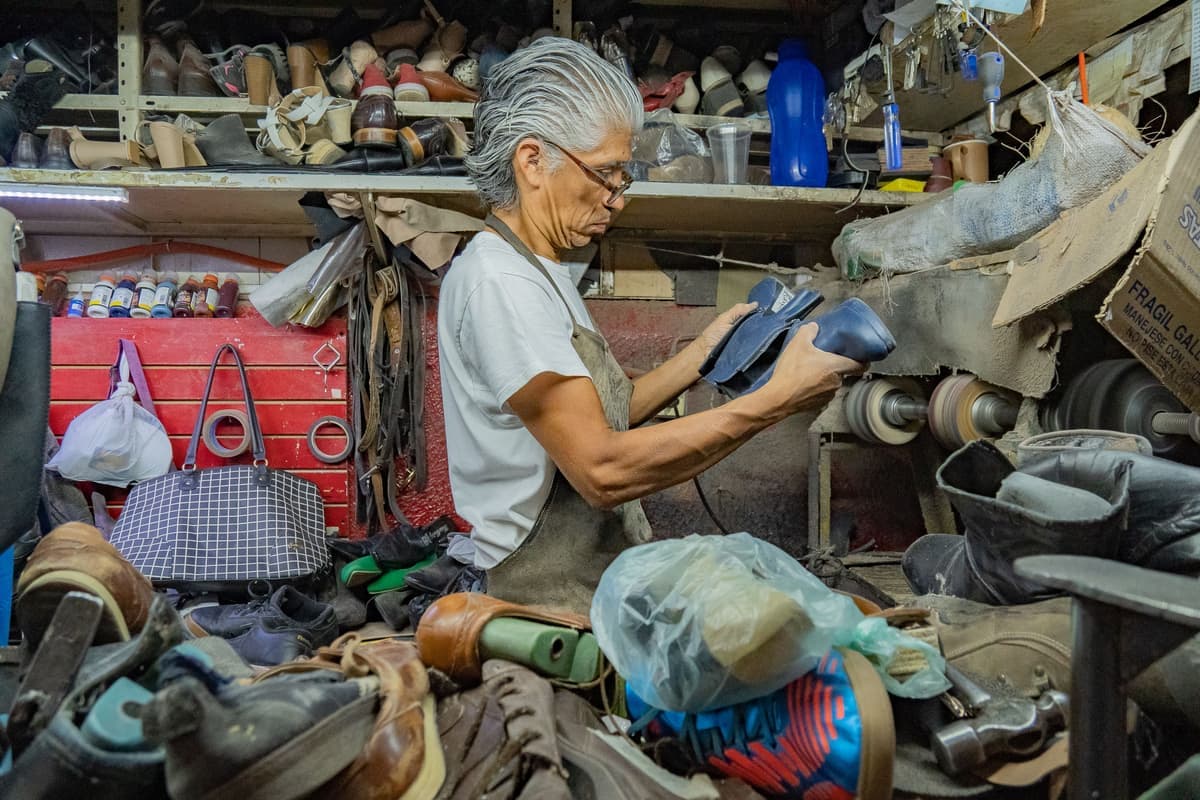
Rubber for one pair that does everything - grip, weather, concrete, long days. Leather for dressing up, dancing and traditional construction. And the answer nobody tells beginners: buy the leather-soled boot you like and have a cobbler fit a thin rubber half-sole. It costs a fraction of a second pair and you get both.
Side by side
| Leather sole | Rubber sole | |
|---|---|---|
| Grip on wet ground | Poor, especially when new | Good |
| Grip on a dance floor | Ideal - pivots cleanly | Bad - grabs, strains the knee |
| Wear on concrete | Fast | Slow |
| Formality | High - thin and quiet | Lower - thicker and visibly casual |
| Resoling | Simple on a welted boot | Depends; bonded soles often cannot be |
| Weight | Light | Heavier |
| Cushioning | None - you feel the ground | Real |
The case for leather
A leather sole is thinner, lighter and quieter, and it is what makes a boot read as footwear rather than equipment. It breathes, which matters in a boot worn without much sock. It molds slightly to your tread over months. It is the traditional construction, and on a welted boot it is the easiest thing in the world for a cobbler to replace. It is also the correct sole for dancing, because it pivots instead of gripping.
The case for rubber
A rubber sole grips wet grass, wet tile and polished concrete; it absorbs the shock of a hard floor; it lasts several times longer on pavement; and it needs no care at all. For a first pair that will do everything, this is simply the practical answer, and it is why most of our all-day and concert picks have one.
The half-sole, which solves the argument
A thin rubber half-sole bonded or stitched to the front of a leather sole is fitted by a cobbler in a day. It adds grip, roughly doubles the sole's life on concrete, and is practically invisible from the side. If you have bought a leather-soled boot for dressing up, have it done before the first wear rather than after you have slipped on a bar floor. Self-adhesive versions work but lift sooner than a properly fitted one.
Quick picks
Tap any row to jump to the full write-up. The price column goes straight to Amazon.
| # | Product | Best for | Price |
|---|---|---|---|
| 1 |  Illustrative photo Illustrative photoJustin Bent RailYou give up wet-weather confidence and grip. | a first pair you can wear to a wedding | |
| 2 |  Illustrative photo Illustrative photoRebel by Durango Pull-OnYou give up traditional looks and resoleability in the classic sense. | walking and standing all day | |
| 3 | Illustrative photo Dan Post Renegade CSYou give up easy entry. | a taller shaft and a distressed finish | |
| 4 | Illustrative photo Twisted X Tech X BootYou give up tradition and resoleability. | the most comfortable thing that still looks western |
#ad - price checked on Amazon at the time you click. Last price check: October 13, 2026. How we are funded
Pick 1
Justin Bent Rail - best for a first pair you can wear to a wedding
Illustrative photoJustin's Bent Rail collection is the answer to a question beginners ask constantly: which cowboy boot does not look like a work boot. Justin publishes a leather upper over a leather outsole with a double-stitched welt, an 11-inch boot height, a broad square toe and its J-Flex insole. The leather outsole is the part that matters for dressing up - it is thinner and quieter than rubber, it takes a shine, and it is why this boot reads as footwear rather than equipment. The broad square toe keeps it comfortable despite that. Justin states the line is handcrafted in the USA with globally sourced materials, which is unusual at this price.
What you give up: You give up wet-weather confidence and grip. A leather sole is slick on tile and wet pavement until it wears in, and it is not what you want for a muddy field.
Good
- Dressy leather sole at a mid price
- Broad square toe is roomy
- Resoleable welt
Less good
- Slick on smooth and wet surfaces
- Leather sole needs protecting
| Toe | Broad square |
|---|---|
| Height | 11 in (per Justin) |
| Outsole | Leather, double-stitched welt |
| Insole | J-Flex Flexible Comfort System |
| Made | USA with globally sourced materials |
Pick 2
Rebel by Durango Pull-On - best for walking and standing all day
Illustrative photoIf your first pair has to survive a concert, a fairground or a shift on your feet, buy a rubber sole and a low heel - and the Rebel is the clearest version of that. Durango publishes full-grain antiqued leather, a double-row welt stitch, a flexible dual-density outsole made with slip-, oil- and abrasion-resisting rubber, a 1.5-inch rocker heel, a tempered steel shank and a cushioned, ventilated footbed. The rocker heel is the detail beginners underrate: it rolls the step forward instead of dropping your weight onto a stacked heel, which is why this boot does not punish you at hour six. The 11-inch pull-on shaft with pull straps also makes it one of the easier boots to get on without a boot jack.
What you give up: You give up traditional looks and resoleability in the classic sense. The dual-density rubber sole is a cobbler job, not a simple leather resole, and purists will clock it instantly.
Good
- Genuinely comfortable standing all day
- Grippy in wet weather
- Easy to pull on
Less good
- Not a traditional sole
- Antiqued finish is not for everyone
| Toe | Square |
|---|---|
| Height | 11 in (12 in on some models) |
| Upper | Full-grain antiqued leather |
| Outsole | Dual-density rubber, slip and oil resisting |
| Heel | 1.5 in rocker |
| Support | Tempered steel shank |
Pick 3
Dan Post Renegade CS - best for a taller shaft and a distressed finish
Illustrative photoDan Post lists the Renegade CS with a distressed leather vamp and stitched upper, a square toe with a western heel, a single-stitched welt over a Dan Post leather outsole, full leather lining with its Ultimate Flex insole, and a 13-inch shaft. The 13-inch shaft is the reason to pick it: a taller shaft keeps a bootcut jean sitting where it should instead of bunching at the ankle, and it is what makes a boot look deliberate rather than borrowed. The distressed finish also forgives the scuffs a first pair inevitably collects in month one, which is a real advantage when you are still learning not to kick doorframes.
What you give up: You give up easy entry. A 13-inch shaft takes more effort to get on and off, and a leather sole again means caution on wet tile.
Good
- Tall shaft holds jeans properly
- Distressed finish hides early scuffs
- Resoleable welt
Less good
- Harder to pull on
- Leather sole is slick when new
| Toe | Square |
|---|---|
| Shaft | 13 in (per Dan Post) |
| Outsole | Leather, single-stitched welt |
| Lining | Full leather |
| Insole | Ultimate Flex |
Pick 4
Twisted X Tech X Boot - best for the most comfortable thing that still looks western
Illustrative photoTwisted X builds western boots the way an athletic brand would, and the Tech X is the clearest example. The company describes CellStretch comfort technology activating more than 100 individual pressure points in the heel and ball of the foot, a Blend85 recycled foam footbed, a nylon and glass-fiber shank, and a rubber outsole infused with blended rice husk, with a tapered heel and an integrated spur shelf. In plain terms: it is engineered for standing, and people who try it after a traditional boot usually do not go back. For a beginner it removes the break-in problem almost entirely, which is why it belongs on a shortlist even though it is the least traditional boot here.
What you give up: You give up tradition and resoleability. This is a modern composite boot - a bootmaker cannot rebuild it, and it will never patina like leather-soled calfskin.
Good
- Almost no break-in
- Best-in-class for standing
- Light
Less good
- Least traditional construction
- Not resoleable
- Sneaker-adjacent to purists
| Comfort | CellStretch pressure-point system (per Twisted X) |
|---|---|
| Footbed | Blend85 recycled foam |
| Shank | Nylon / glass fiber |
| Outsole | Rubber with blended rice husk |
| Heel | Tapered, integrated spur shelf |
#ad - price checked on Amazon at the time you click. Last price check: October 13, 2026. How we are funded
If you are adding grip yourself
Self-adhesive half-soles work on a budget; a cobbler-fitted one lasts far longer.
These links go to Amazon and we earn a commission if you buy. How we pick.
 Illustrative photo
Rubber Half-Sole Protectors
For making a leather sole safe and last.
#ad - price checked on Amazon at the time you click. Last price check: October 13, 2026. How we are funded
Common questions
Are leather soles slippery on cowboy boots?
Yes, noticeably so when new and on wet or polished surfaces. They settle after a few weeks of wear but never match rubber for grip. A thin rubber half-sole fitted by a cobbler is the standard fix.
Why do cowboy boots have leather soles?
Tradition and function. A leather sole slides in and out of a stirrup cleanly, breathes, is light and thin, and is simple to replace on a welted boot. It is also what lets a boot pivot on a dance floor.
Can you put a rubber sole on leather-soled boots?
Yes. A cobbler can fit a thin rubber half-sole in about a day, which adds grip and extends the sole's life without changing how the boot looks from the side.
Which sole lasts longer?
Rubber, by a wide margin on concrete and pavement. A leather sole on a welted boot can be replaced indefinitely though, so over a decade the leather-soled boot may outlive the rubber-soled one.
Which sole for everyday wear?
Rubber. Unless your days consist mainly of dance floors and dinners, the grip, cushioning and wear resistance make it the practical everyday choice.
About the author
Selena H.
Selena H. is the owner and editor of Spur & Stitch. She started the site after discovering how much western-boot buying advice assumes you already know what a welt is. Every guide here is written for the person buying their first pair.
Read next
Care
Sole protectors and grip for cowboy boots
Half-soles, grip pads and the cobbler fix that makes a leather sole safe and longer-lasting.
Boots
Boot construction, explained
Goodyear welt, stitchdown and cemented construction - and why it decides resoling.
Care
Cowboy boots in rain and snow
What rain and road salt do to leather, how to prepare, and the right way to dry a soaked pair.
Boots
The best cowboy boots for dancing
Four boots for two-stepping - and why dancers deliberately want the slick leather sole.