Reference
Cowboy boot leather types
What each leather actually does over five years, and which words on a product page are a warning.
By Selena H. · Updated October 13, 2026
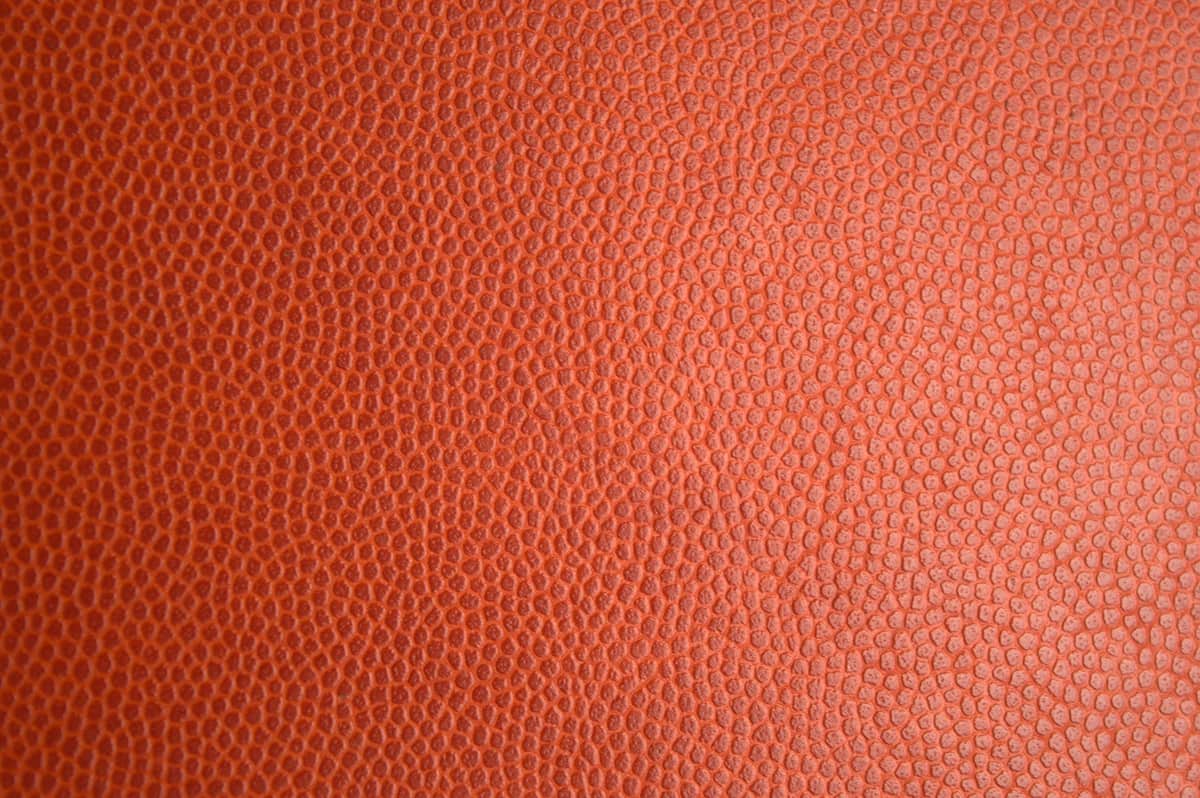
Buy full-grain leather for a first pair. It is the whole outer hide with its grain intact, it creases into soft folds rather than sharp ones, and it is the only common leather that genuinely improves with age. Treat the phrase genuine leather as a warning, not a reassurance - it is the industry's label for the lowest useful grade.
| Leather | What it is | Over five years | Care |
|---|---|---|---|
| Full-grain | The complete outer hide, grain intact | Softens, patinas, holds shape | Clean and condition twice a year |
| Top-grain | Outer hide sanded and refinished | Wears well, less character | Same |
| Corrected grain | Heavily sanded, embossed with a fake grain | Creases sharply, can crack | Conditioner helps but cannot undo it |
| Genuine leather | The lowest marketable grade - split layers | Creases hard, cracks at the vamp | Limited |
| Suede | The inner split, napped | Marks easily; ages well if protected | Brush and eraser only - never cream or oil |
| Roughout | Full-grain worn flesh-side out | Extremely tough, hides scuffs | Brush; never polish |
| Exotics (ostrich, caiman, lizard) | Specialist hides | Beautiful, specific care needs | Specialist products only |
How to read a product page
- Full-grain leather - the good answer. Buy with confidence.
- Top-grain leather - fine, slightly less character, often more uniform in color.
- Genuine leather - a grading term, not a guarantee of anything. Expect sharp creasing within a couple of years.
- Leather upper with no grade stated - usually means corrected or genuine. The absence of the word full-grain is itself information.
- Man-made materials - synthetic. Does not breathe, cracks rather than creases.
Suede and roughout need completely different care
This is where people ruin boots. Every cream, oil and wax that is good for smooth leather will mat the nap of suede and leave a permanent dark patch. Suede and roughout want a brush, a rubber eraser and a protector spray - nothing else. Our method is in how to clean suede cowboy boots.
Are exotics worth it?
Not for a first pair. Ostrich, caiman and lizard are genuinely beautiful and genuinely durable, but they cost several times a full-grain boot, they need specialist conditioners, and rigid scale patterns flex less comfortably than smooth leather. Buy exotics once you already know your size and your taste - not while you are still finding out whether you like boots.
The right product for your leather
A non-darkening cream for smooth leather, a brush and eraser for suede, and mink oil only where you want water resistance and do not mind darkening.
These links go to Amazon and we earn a commission if you buy. How we pick.
 Illustrative photo
Ariat Heritage Roughstock
For the safest first pair for most men.
 Illustrative photo
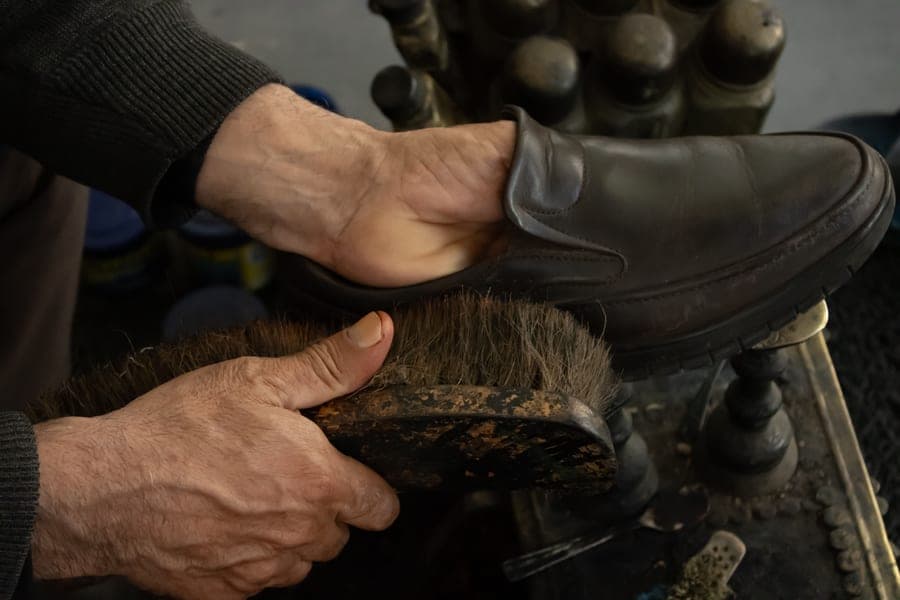
Bickmore Bick 4 Leather Conditioner
For the one conditioner to own.
#ad - price checked on Amazon at the time you click. Last price check: October 13, 2026. How we are funded
Common questions
What is the best leather for cowboy boots?
Full-grain leather for almost every buyer. It keeps the hide's natural grain, so it creases into soft folds, takes conditioner well and develops a patina instead of cracking.
Is genuine leather good?
No - it is a grading term for one of the lowest marketable grades, usually split layers. Expect sharp creasing and eventual cracking at the vamp. Look for the words full-grain instead.
What is roughout leather?
Full-grain leather used with the flesh side facing out. It is extremely tough, hides scuffs well and needs brushing rather than polishing. It is not the same as suede, which is a thinner inner split.
Can you condition suede boots?
Not with cream, oil or wax - those mat the nap and stain permanently. Suede needs a brush, a rubber eraser for marks and a protector spray before the first wear.
Are exotic leather boots worth the money?
They are durable and distinctive, but they cost several times a full-grain boot, need specialist care, and rigid scale patterns flex less comfortably. They are a second or third pair, not a first.
About the author
Selena H.
Selena H. is the owner and editor of Spur & Stitch. She started the site after discovering how much western-boot buying advice assumes you already know what a welt is. Every guide here is written for the person buying their first pair.
Read next
Care
The best leather conditioners for cowboy boots
Which conditioner to use, which ones darken leather, and conditioning versus waterproofing.
Care
How to clean suede cowboy boots
The brush-and-eraser method for suede and roughout - and the products that stain permanently.
Boots
The parts of a cowboy boot
Vamp, shaft, welt, counter, shank, pull straps - every part named and explained.
Boots
How long do cowboy boots last?
Realistic lifespans by construction, what fails first, and the routine that doubles them.