Boots
Cowboy boots vs ropers
Two inches of heel and four inches of shaft. That is the whole difference, and it changes everything.
By Selena H. · Updated October 13, 2026
Spur & Stitch is reader-funded. As an Amazon Associate we earn from qualifying purchases - at no extra cost to you. Affiliate disclosure
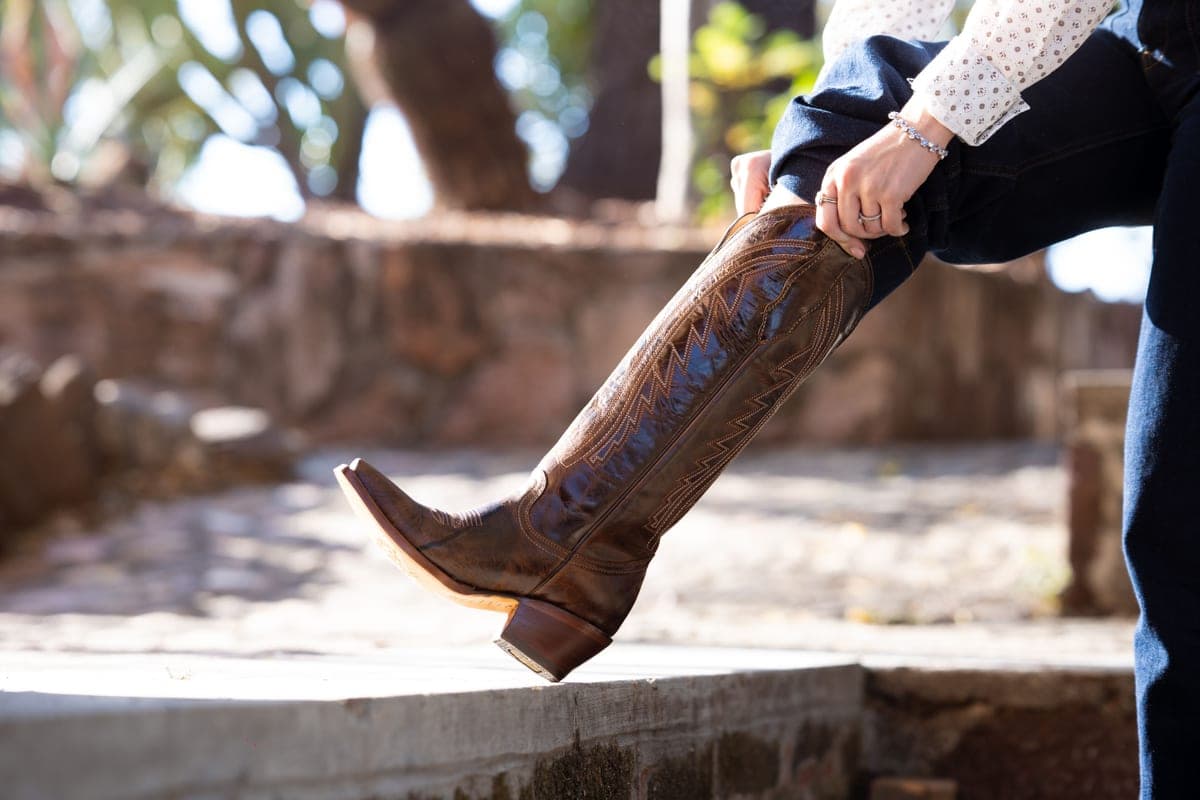
We choose picks by comparing published specifications, construction, sizing guidance and aggregated owner feedback. We have not worn these boots ourselves. How we pick
Buy a roper if you want something easy to walk in that does not announce itself, or if a tall shaft and a high heel are what has been putting you off western boots. Buy a classic cowboy boot if you want the recognisable silhouette, if you ride, or if you want the boot to be the point of the outfit.
The actual differences
| Roper | Classic cowboy boot | |
|---|---|---|
| Shaft | Short - typically around 8-10 in | 11-14 in |
| Heel | Low walking heel, around 1 in | Riding heel, around 2 in, angled |
| Toe | Usually round | Round, square or snip |
| Walking comfort | High | Needs practice |
| Riding | Less secure in a stirrup | Designed for it |
| Under jeans | Nearly invisible | Visible and deliberate |
| Break-in | Short | One to two weeks |
Why ropers exist
The roper was built for calf ropers who had to get off a horse and run. A shorter shaft and a lower heel make that possible; a tall riding heel does not. That origin is why the roper walks so much better than a classic boot - it was designed by people who needed to run in it.
The beginner argument for a roper
A roper is the least intimidating way into western boots, and that matters more than it sounds. The most common reason people say no to cowboy boots is that they think they will look like they are in costume. A roper under a pair of jeans reads simply as a good leather boot. You get the construction, the leather and the resoleability without the silhouette. If you discover you like them, the tall boot is an easy second purchase.
The case against
A roper is not what people mean when they say cowboy boots. If you are buying for a rodeo, a country wedding or a photograph, the tall shaft is the point and a roper will feel like a half-measure. It is also genuinely less secure in a stirrup, so if there is any riding in your future, buy the riding heel.
Quick picks
Tap any row to jump to the full write-up. The price column goes straight to Amazon.
| # | Product | Best for | Price |
|---|---|---|---|
| 1 |  Illustrative photo Illustrative photoAriat Heritage RoperYou give up the silhouette. | anyone who does not want a tall shaft or a tall heel | |
| 2 |  Illustrative photo Illustrative photoAriat Heritage RoughstockYou give up character. | the safest first pair for most men | |
| 3 | Illustrative photo Rebel by Durango Pull-OnYou give up traditional looks and resoleability in the classic sense. | walking and standing all day | |
| 4 | Illustrative photo Dan Post Renegade CSYou give up easy entry. | a taller shaft and a distressed finish |
#ad - price checked on Amazon at the time you click. Last price check: October 13, 2026. How we are funded
Pick 1
Ariat Heritage Roper - best for anyone who does not want a tall shaft or a tall heel
Illustrative photoA roper is the quiet entry point into western boots, and this is the one to start with. Ariat's Heritage Roper uses a round toe, a low walking heel and a shorter shaft than the Roughstock, which changes two things for a beginner: it is far easier to walk in on hard floors, and it disappears under a pair of jeans instead of announcing itself. If the thing stopping you buying cowboy boots is that you think you will look like you are in costume, buy a roper first. The same Ariat construction cues apply - full-grain upper, cushioned insole - and because the heel is low, the break-in period is shorter and the ankle rub most people complain about in week one is much milder.
What you give up: You give up the silhouette. A roper is not what people picture when they say cowboy boot, and it will not hold a stirrup the way a riding heel does.
Good
- Easiest western boot to walk in
- Short break-in
- Reads as a normal boot under jeans
Less good
- Not the classic cowboy silhouette
- Low heel is wrong for riding
| Toe | Round |
|---|---|
| Shaft | Short (roper cut) |
| Heel | Low walking heel |
| Upper | Full-grain leather |
| Best use | Walking, standing, everyday wear |
Pick 2
Ariat Heritage Roughstock - best for the safest first pair for most men
Illustrative photoIf you want one boot that will not be a mistake, this is the one most first-time buyers end up in. Ariat publishes a full-grain leather upper, Goodyear welt construction, a 12-inch shaft and a 2-inch western heel, with its Duratread outsole and a removable Pro Performance insole. The reason it suits a beginner is the combination: the welt means it can be resoled instead of thrown away, and the cushioned removable insole means it is wearable on day one rather than after a month of pain. It is sold in a square toe and in narrower shapes, so you can pick the toe that fits your foot rather than taking whatever the model comes in. At the usual street price it sits in the middle of the market - above the mall-brand boots that are glued together, below the handmade tier you do not need yet.
What you give up: You give up character. This is the Toyota Camry of cowboy boots - nobody in a boot shop will be impressed, and the leather will not develop the patina a $400 calfskin boot does.
Good
- Resoleable welt at a mid-market price
- Removable cushioned insole - comfortable from day one
- Sold in several toe shapes and widths
Less good
- Visually unremarkable
- Rubber outsole is not traditional
| Toe | Square (narrower shapes also sold) |
|---|---|
| Shaft | 12 in (per Ariat) |
| Heel | 2 in western |
| Upper | Full-grain leather |
| Construction | Goodyear welt - resoleable |
| Outsole | Duratread (Ariat's rubber compound) |
Pick 3
Rebel by Durango Pull-On - best for walking and standing all day
Illustrative photoIf your first pair has to survive a concert, a fairground or a shift on your feet, buy a rubber sole and a low heel - and the Rebel is the clearest version of that. Durango publishes full-grain antiqued leather, a double-row welt stitch, a flexible dual-density outsole made with slip-, oil- and abrasion-resisting rubber, a 1.5-inch rocker heel, a tempered steel shank and a cushioned, ventilated footbed. The rocker heel is the detail beginners underrate: it rolls the step forward instead of dropping your weight onto a stacked heel, which is why this boot does not punish you at hour six. The 11-inch pull-on shaft with pull straps also makes it one of the easier boots to get on without a boot jack.
What you give up: You give up traditional looks and resoleability in the classic sense. The dual-density rubber sole is a cobbler job, not a simple leather resole, and purists will clock it instantly.
Good
- Genuinely comfortable standing all day
- Grippy in wet weather
- Easy to pull on
Less good
- Not a traditional sole
- Antiqued finish is not for everyone
| Toe | Square |
|---|---|
| Height | 11 in (12 in on some models) |
| Upper | Full-grain antiqued leather |
| Outsole | Dual-density rubber, slip and oil resisting |
| Heel | 1.5 in rocker |
| Support | Tempered steel shank |
Pick 4
Dan Post Renegade CS - best for a taller shaft and a distressed finish
Illustrative photoDan Post lists the Renegade CS with a distressed leather vamp and stitched upper, a square toe with a western heel, a single-stitched welt over a Dan Post leather outsole, full leather lining with its Ultimate Flex insole, and a 13-inch shaft. The 13-inch shaft is the reason to pick it: a taller shaft keeps a bootcut jean sitting where it should instead of bunching at the ankle, and it is what makes a boot look deliberate rather than borrowed. The distressed finish also forgives the scuffs a first pair inevitably collects in month one, which is a real advantage when you are still learning not to kick doorframes.
What you give up: You give up easy entry. A 13-inch shaft takes more effort to get on and off, and a leather sole again means caution on wet tile.
Good
- Tall shaft holds jeans properly
- Distressed finish hides early scuffs
- Resoleable welt
Less good
- Harder to pull on
- Leather sole is slick when new
| Toe | Square |
|---|---|
| Shaft | 13 in (per Dan Post) |
| Outsole | Leather, single-stitched welt |
| Lining | Full leather |
| Insole | Ultimate Flex |
#ad - price checked on Amazon at the time you click. Last price check: October 13, 2026. How we are funded
Common questions
What is the difference between a roper and a cowboy boot?
Shaft and heel. A roper has a shorter shaft - around 8 to 10 inches - and a low walking heel of about an inch. A classic cowboy boot has an 11 to 14-inch shaft and an angled riding heel of about two inches.
Are ropers easier to walk in?
Considerably. The low heel keeps your weight distributed instead of tipping it forward, and the shorter shaft does not restrict the ankle. Ropers need almost no break-in compared with a tall-heeled boot.
Can you ride in roper boots?
You can, but the low heel is less secure in a stirrup - which is the whole reason riding heels exist. For regular riding, buy a boot with a proper angled riding heel.
Are ropers still fashionable?
Yes, and increasingly so as western styling has crossed into everyday wear. A roper reads as a well-made leather boot rather than as costume, which is exactly why many first-time buyers prefer one.
Should my first pair be ropers?
If your hesitation is about looking like you are in costume, yes. If you are buying for a specific western occasion where the silhouette is the point, buy the tall boot instead.
About the author
Selena H.
Selena H. is the owner and editor of Spur & Stitch. She started the site after discovering how much western-boot buying advice assumes you already know what a welt is. Every guide here is written for the person buying their first pair.
Read next
Boots
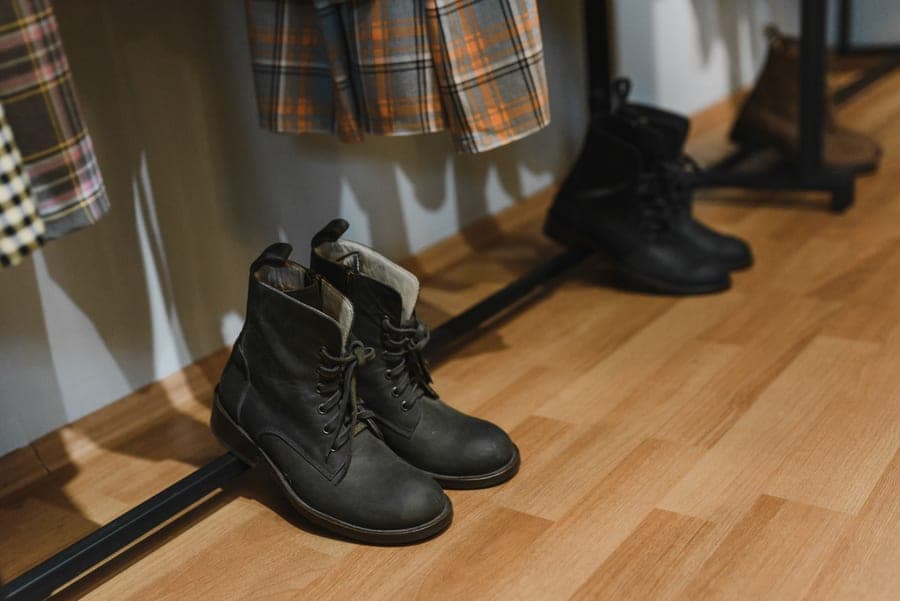
The best roper boots
Four ropers - the short-shaft, low-heel western boot you can genuinely walk in all day.
Boots
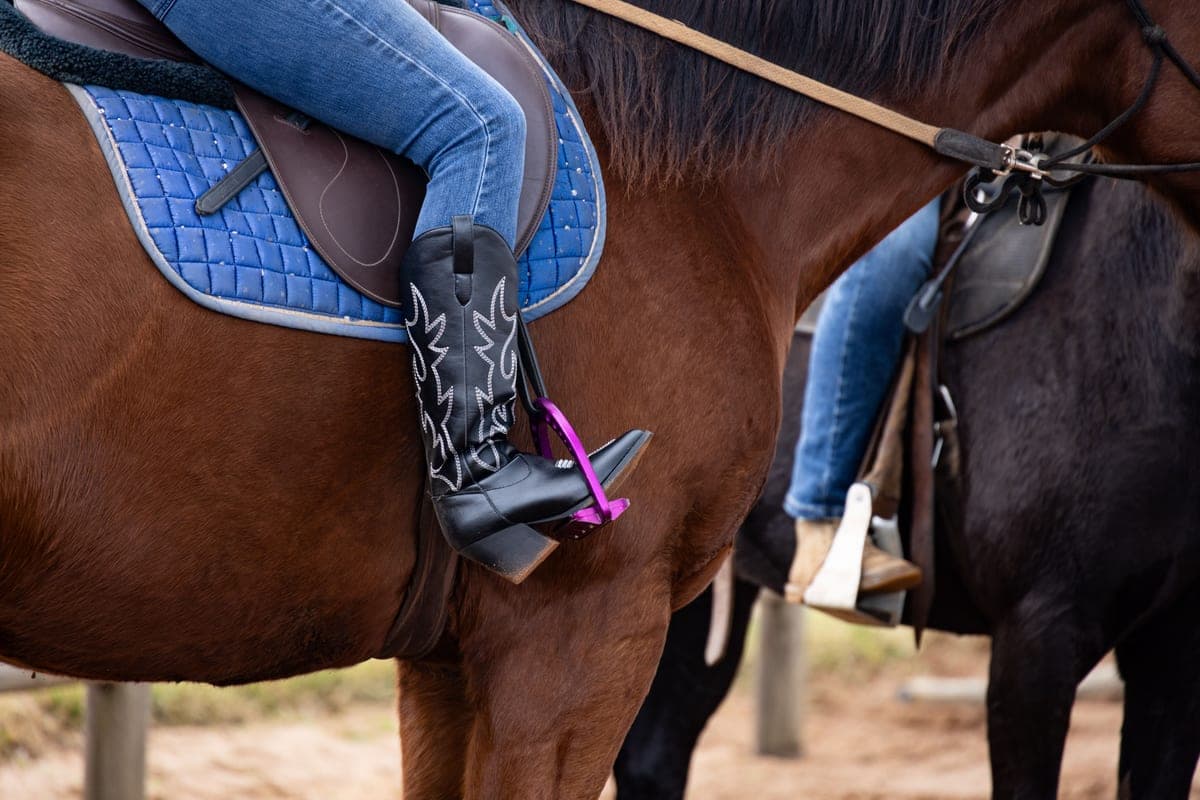
Cowboy boot heel types and heights
Riding, walking, roper, stockman and rocker heels - what each does to comfort and balance.
Boots
Cowboy boot shaft height
What 8, 11, 13 and 15-inch shafts each do under jeans - and how hard each is to pull on.

Boots
The best cowboy boots for beginners
Eight first pairs matched to real buyers, with the sizing and break-in answers on the same page.