Boots
How to read a cowboy boot review
Most boot reviews are spec sheets with adjectives. Here is how to spot the ones that are not, and what to look for in customer reviews.
By Selena H. · Updated October 17, 2026
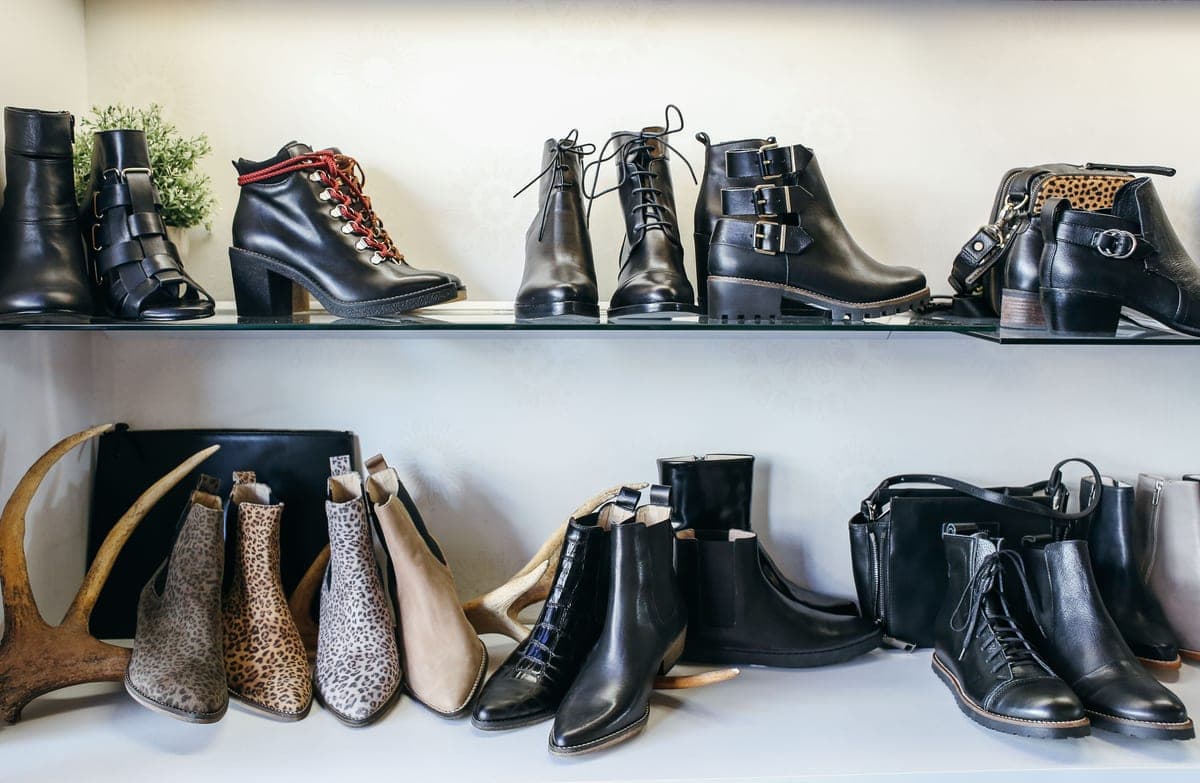
A useful cowboy boot review tells you three things a product page cannot: how the boot fits relative to your street size, what it is like after the break-in rather than on day one, and what the reviewer gave up to get the thing they liked. A review with no trade-off in it is marketing. A review that never mentions sizing is a spec sheet with adjectives.
That is a blunt test and it eliminates most of what you will find. It is not a claim that everyone else is dishonest - it is that writing a genuinely useful boot review is hard, and rewriting a manufacturer's bullet points is easy. This page is about separating the two, including on this site.
The eight questions a real review answers
- How does it fit against a street shoe size, and in which direction does it miss?
- What is the width like, and does the maker offer a wider option?
- How long is the break-in, honestly, in weeks rather than in adjectives?
- What is the outsole, and what is it like on wet pavement and hard floors?
- How tall is the shaft, and what does that do to a jean?
- Is it resoleable, and does the welt actually support that?
- What did the reviewer give up to get the quality they are praising?
- Who should not buy it? A review that cannot name anyone is not a review.
Signals that a review is just a rewritten listing
- Every boot is excellent. A roundup where all eight picks are outstanding has ranked nothing.
- No negatives, or cosmetic ones. If the only criticism is that the color is darker than the photo, nobody wore the boot.
- Specs repeated without translation. Naming an outsole compound is not analysis. Saying what it does on wet tile is.
- No sizing guidance. The single most useful sentence in any boot review is the one about sizing, and it is the first thing missing from a rewritten listing.
- Pricing stated as a fact. Prices move weekly. A review quoting an exact number was written once and never revisited.
- A brand-new site with a hundred reviews. Nobody wears a hundred pairs of boots in a month.
Reading customer reviews properly
Customer reviews on a listing are more useful than most articles, if you read them in the right order. Skip the five-star reviews written the day the boot arrived - nobody knows anything about a boot on day one. Go to the three-star reviews, which are where the honest trade-offs live, and then read the one-stars looking only for repeated patterns. One person whose boot fell apart tells you nothing; fifteen people describing the same sole separation tells you a lot.
| Review type | What it is usually worth | What to extract |
|---|---|---|
| Five star, day one | Little | Occasionally a sizing note |
| Five star, months later | A lot | Durability, how it aged, whether the break-in resolved |
| Three star | The most | The honest trade-off: what they liked and what annoyed them |
| One star | Only in aggregate | Repeated failure patterns, and whether the seller resolved them |
| Review with photos | A lot | Real color, real proportions, real wear |
Sizing comments are the gold
Search the review text for the words size, wide, narrow and heel. A dozen people saying runs narrow, order a wide is better information than any article, including ours, because it is a dozen different feet reporting on the same last. Weigh it against the maker's own chart and our sizing guide, and if the two disagree, believe the crowd about the direction and the chart about the starting point.
Two boots that survive this test
Both are widely sold, widely reviewed and have enough customer reporting behind them that the sizing picture is clear - which is exactly what makes a boot safe to order without trying it on.
These links go to Amazon and we earn a commission if you buy. How we pick.
 Illustrative photo
Ariat Heritage Roughstock
For the safest first pair for most men.
#ad - price checked on Amazon at the time you click. Last price check: October 13, 2026. How we are funded
Video reviews: what they are good and bad at
- Good at showing real color, real proportion on a foot, and how a shaft sits under a jean. Photographs flatter boots; video does it less.
- Good at showing a boot after a year, if the channel does follow-ups. Those are the most valuable boot videos that exist.
- Bad at sizing, which needs text you can search and compare.
- Watch for gifted pairs. Most disclose it; the disclosure is usually in the description rather than said out loud.
A quick checklist before you buy
- Read the maker's own specification page for the exact model, not just the retailer's listing.
- Read the three-star customer reviews and search them for sizing words.
- Find one review, written or video, that names someone who should not buy the boot.
- Check the return window, because the fit is the risk you cannot eliminate by reading.
Common questions
Are cowboy boot reviews trustworthy?
Some are. The test is whether the review answers the questions a product page cannot - sizing against a street size, what the boot is like after break-in, and what you give up. A review with no trade-off in it, and no sizing guidance, is a rewritten listing.
Which customer reviews should I read first?
The three-star ones. They contain the honest trade-offs. Five-star reviews written on delivery day tell you about packaging; one-star reviews only matter where several describe the same failure.
Do review sites actually test cowboy boots?
A few do, most do not, and the honest ones say which. Look for a stated methodology and for evidence that someone wore a boot over time - follow-up notes, wear photographs, a changed opinion. We set out our own method in how we pick.
How do I find out if a boot runs big or small?
Search the customer reviews of that exact model for the words size, wide and narrow, and read what a dozen different people say about the same last. Then check the maker's own chart. The crowd is reliable about direction; the chart is reliable about the starting point.
Should I trust a review that does not mention any downsides?
No. Every boot trades something away - comfort for tradition, price for durability, looks for practicality. A review that cannot name the trade-off has not examined the boot closely enough to be useful.
About the author
Selena H.
Selena H. is the owner and editor of Spur & Stitch. She started the site after discovering how much western-boot buying advice assumes you already know what a welt is. Every guide here is written for the person buying their first pair.
Read next
Boots
The best cowboy boot brands, and what each one is good at
What each western boot brand is actually good at, who it fits, and where it sits on price.
Boots
The best cowboy boots on Amazon
Six western boots worth ordering online, and how to spot the generic listings that are not.
Boots
How much should cowboy boots cost?
What each price band buys, and the one question that should decide your budget.
Fit & sizing
Do cowboy boots run big or small?
How western sizing compares to street shoes, and how much brands actually vary.
Boots
When western boots go on sale
The times of year boots are genuinely discounted, what a real markdown looks like, and the tiers that never discount.