Outfits
Cowboy boots in winter
Boots are fine in winter. Road salt and a leather sole are the two things that are not.
By Selena H. · Updated October 13, 2026
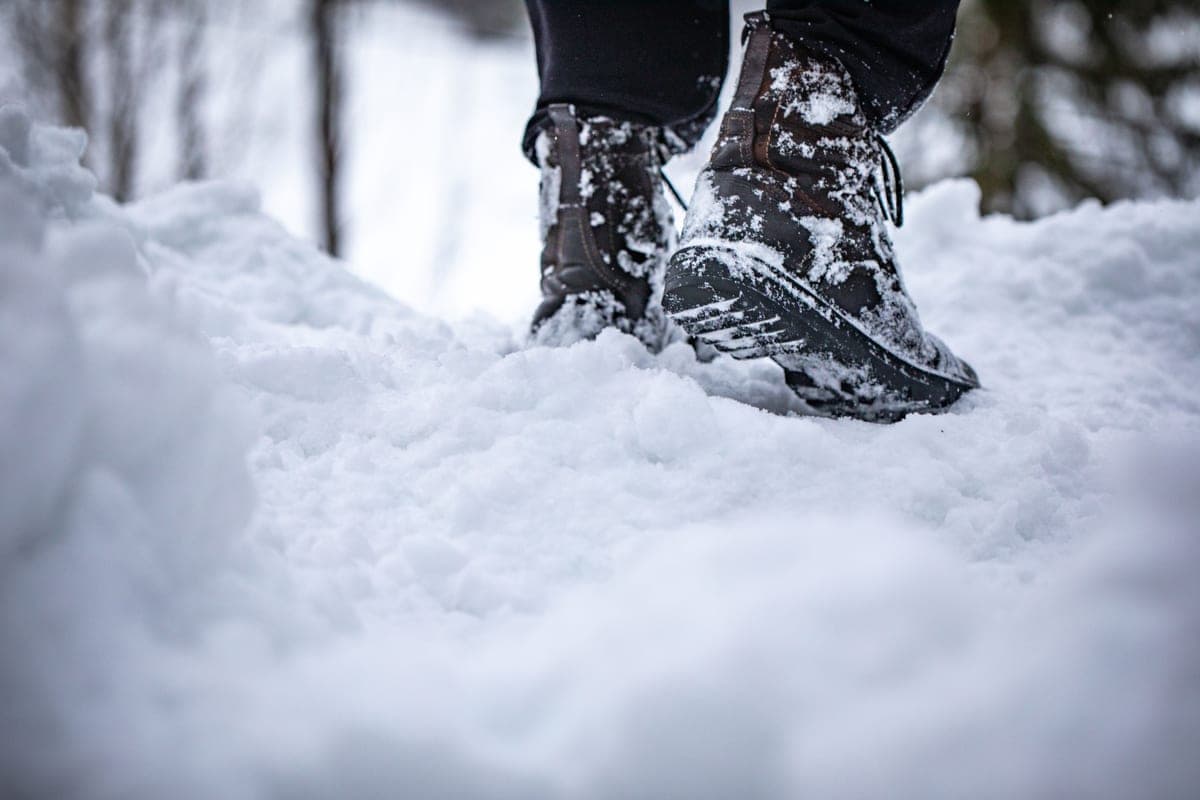
Wear a rubber-soled boot, treat the leather before the season starts, switch to a felt hat, and wipe road salt off the same day it gets on. A leather sole on ice is dangerous, and salt left on leather does more damage over a winter than the water does.
The boot
- Rubber outsole. Non-negotiable on ice and packed snow. If your favorite winter boots have leather soles, have a cobbler fit a rubber half-sole.
- Oiled or treated leather upper. Mink oil or a wax treatment before the season. Both darken the leather, which is the trade.
- A taller shaft keeps snow out better than a roper. This is one of the few situations where 13 inches beats 11.
- Not suede, unless you are prepared to treat it carefully and accept salt marks.
What to wear with them
| Piece | Winter version |
|---|---|
| Hat | Felt, not straw - this is what the season convention is actually about |
| Jeans | Bootcut over the boot, as always. Heavier denim if you have it |
| Layer | A denim, canvas or shearling jacket reads correctly with boots |
| Socks | Merino, mid-calf or over-the-calf. Warmth and moisture both |
| Dress | Opaque dark tights with a knee-length dress and a mid-shaft boot |
Winter kit
A rubber-soled boot, a felt hat, a water-resistant treatment, grip for a leather sole and proper socks.
These links go to Amazon and we earn a commission if you buy. How we pick.


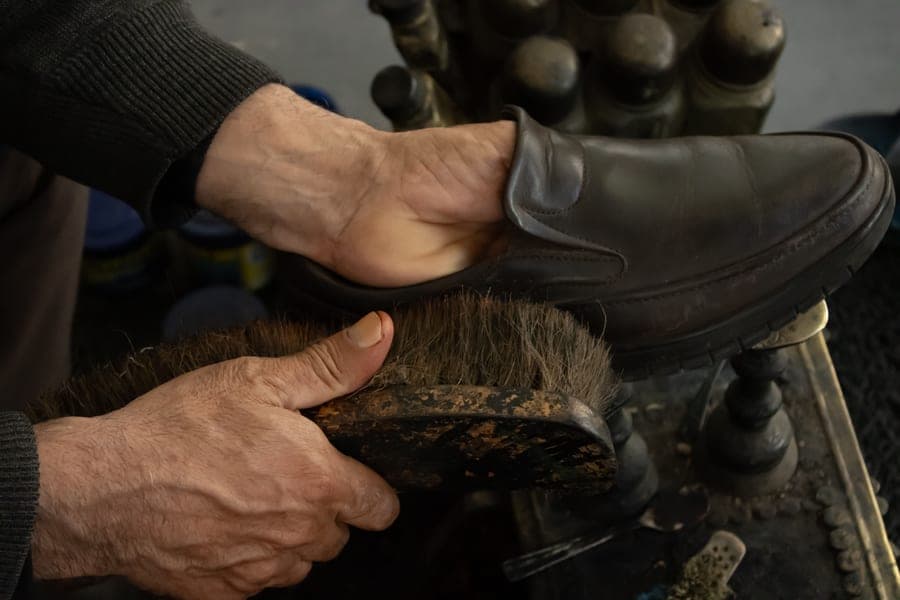
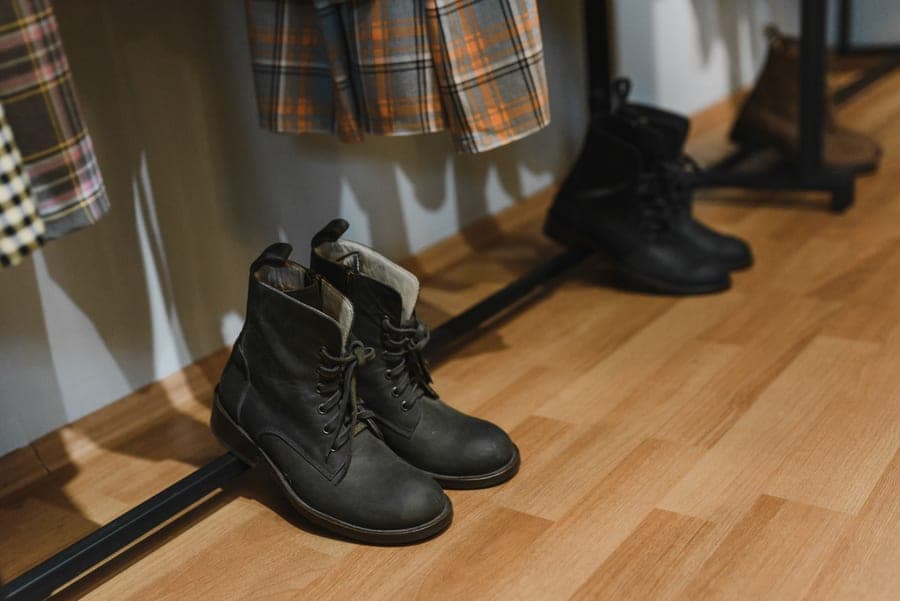 Illustrative photo
Rubber Half-Sole Protectors
For making a leather sole safe and last.
#ad - price checked on Amazon at the time you click. Last price check: October 13, 2026. How we are funded
Road salt is the real enemy
Salt leaves white tide marks, draws moisture out of the leather and degrades stitching. Wipe boots down with a damp cloth the same day you walk on salted pavement, not at the weekend. For set-in salt stains, a 50/50 mix of water and white vinegar on a cloth lifts them, followed by conditioning once dry. The full routine is in cowboy boots in rain and snow.
Drying, which is where boots die
Wet boots dry at room temperature, stuffed with newspaper, over a day or two - never on a radiator and never with a hairdryer. Heat drives the oils out of leather and that is what causes winter cracking. If you wear boots daily in winter, two pairs alternated will outlast one pair worn every day by a long way.
Common questions
Can you wear cowboy boots in winter?
Yes, with a rubber sole and a treated upper. A leather sole on ice is genuinely dangerous, and untreated leather suffers badly from road salt.
Are cowboy boots good in snow?
Rubber-soled ones with a taller shaft are fine for ordinary snow. They are not winter boots - no insulation, no waterproof membrane - so deep snow or long exposure calls for something else.
How do you protect cowboy boots from road salt?
Wipe them with a damp cloth the same day you walk on salted pavement. For set-in stains, use a 50/50 water and white vinegar mix, then condition once the boots are fully dry.
Should you wear a felt or straw hat in winter?
Felt. That is what the traditional straw-and-felt seasons are really encoding - felt is the cold-weather material and straw is hot-weather. A straw hat in February looks out of season and gives you nothing.
How do you dry cowboy boots after snow?
Stuff them loosely with newspaper and leave them at room temperature for a day or two, away from radiators and hairdryers. Heat drives the oils out of leather and causes cracking.
About the author
Selena H.
Selena H. is the owner and editor of Spur & Stitch. She started the site after discovering how much western-boot buying advice assumes you already know what a welt is. Every guide here is written for the person buying their first pair.
Read next
Care
Cowboy boots in rain and snow
What rain and road salt do to leather, how to prepare, and the right way to dry a soaked pair.
Hats
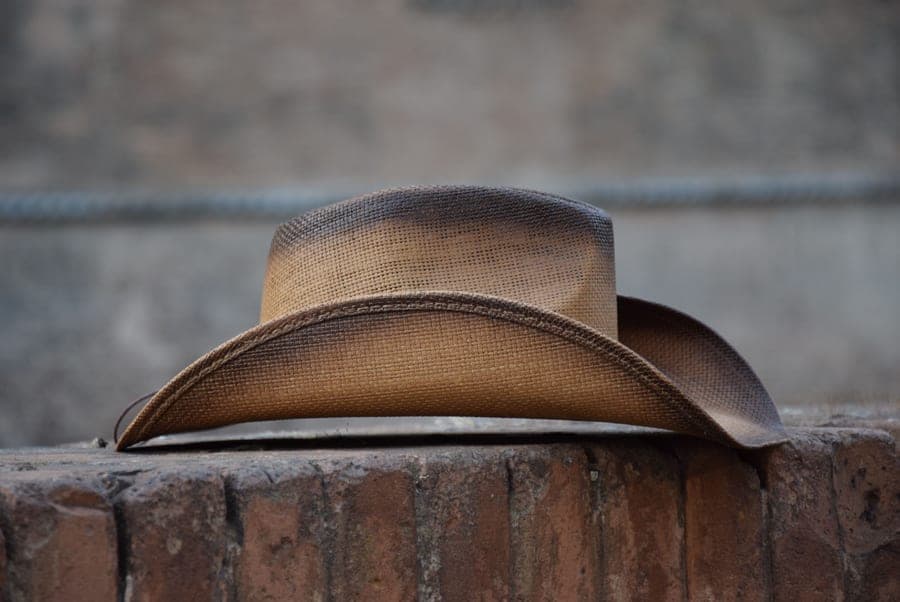
Felt vs straw cowboy hats
Season, price, durability and formality compared - plus the traditional seasonal rules.
Care
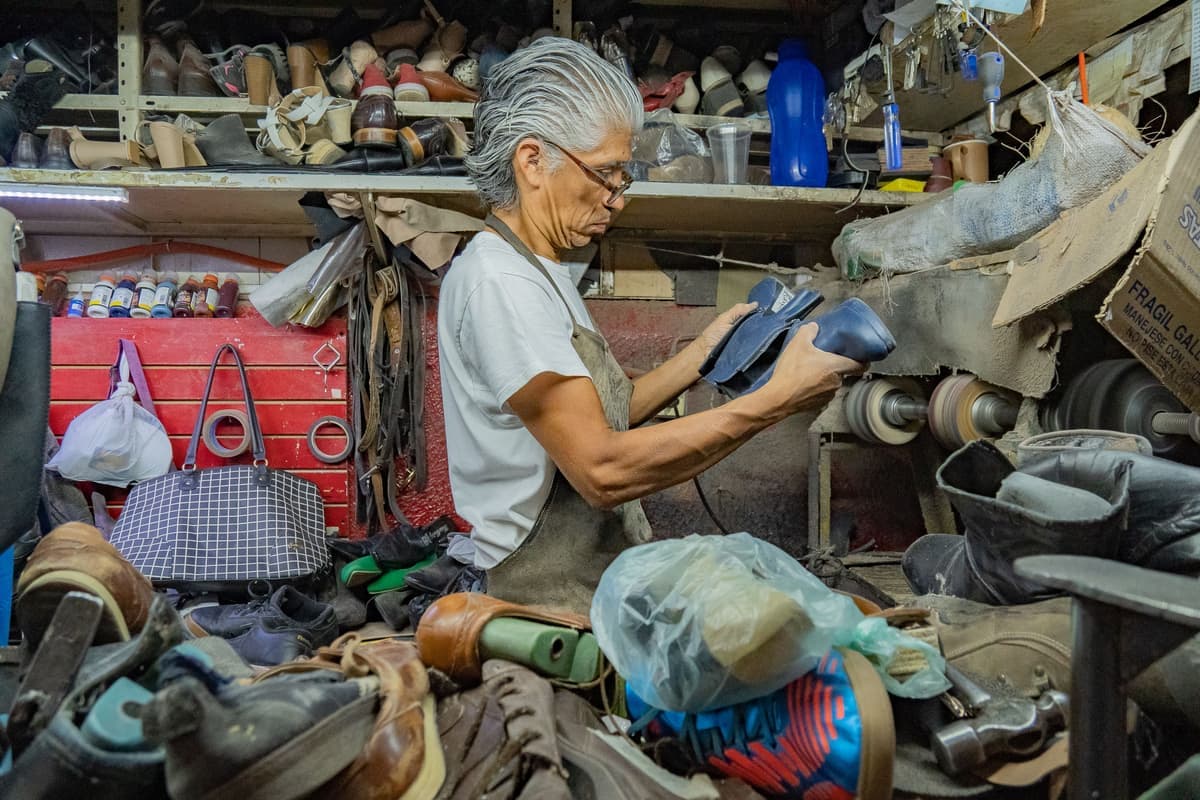
Sole protectors and grip for cowboy boots
Half-soles, grip pads and the cobbler fix that makes a leather sole safe and longer-lasting.
Fit & sizing
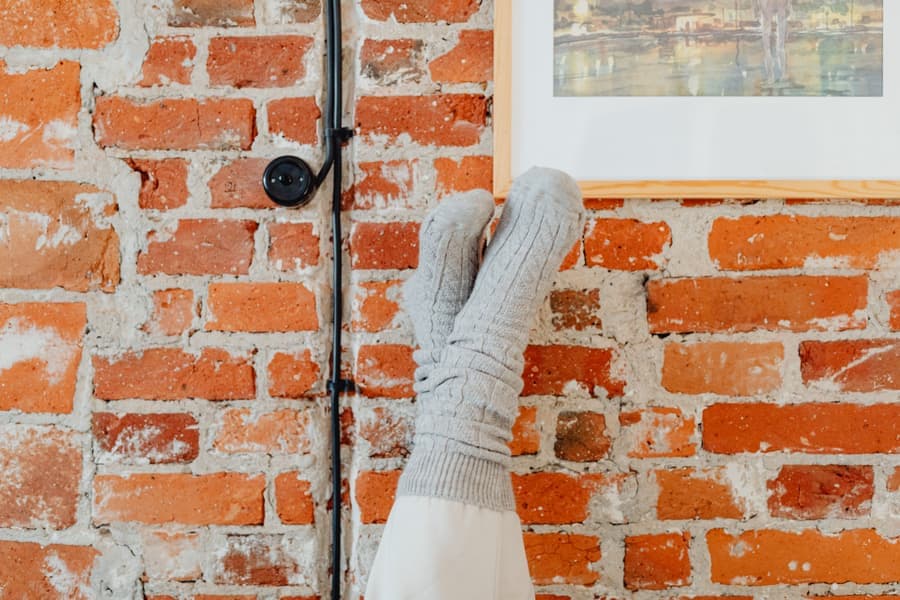
Socks for cowboy boots
Why socks fix most boot discomfort, what height and material to buy, and whether you can skip them.