Care
Sole protectors and grip for cowboy boots
A new leather sole is slick, wears fast and is genuinely dangerous on wet tile. All three are cheap to fix.
By Selena H. · Updated October 13, 2026
Spur & Stitch is reader-funded. As an Amazon Associate we earn from qualifying purchases - at no extra cost to you. Affiliate disclosure
We choose picks by comparing published specifications, construction, sizing guidance and aggregated owner feedback. We have not worn these boots ourselves. How we pick
If you have bought a leather-soled boot - a Justin Bent Rail, a Dan Post Renegade, anything dressy - you have bought a sole that is slick on wet pavement, slick on polished tile, and that wears through on concrete faster than you expect. A thin rubber half-sole fixes all three.
Quick picks
Tap any row to jump to the full write-up. The price column goes straight to Amazon.
| # | Product | Best for | Price |
|---|---|---|---|
| 1 | 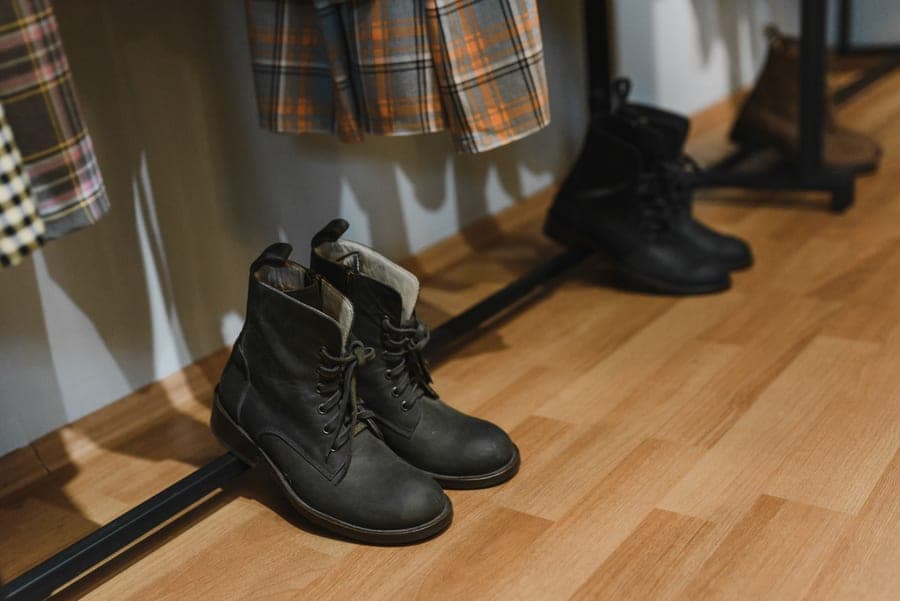 Illustrative photo Illustrative photoRubber Half-Sole ProtectorsYou give up a little of the leather sole's thin profile and the sound it makes - and a purist will notice the rubber at the edge. | making a leather sole safe and last | |
| 2 | Illustrative photo Cedar Boot TreesYou give up closet space, and cedar needs light sanding every year or so to refresh its scent and absorbency. | stopping the shaft folding over | |
| 3 |  Illustrative photo Illustrative photoBickmore Bick 4 Leather ConditionerYou give up waterproofing. | the one conditioner to own |
#ad - price checked on Amazon at the time you click. Last price check: October 13, 2026. How we are funded
Pick 1
Rubber Half-Sole Protectors - best for making a leather sole safe and last
Illustrative photoA leather sole is slick when new, wears fast on concrete and is genuinely dangerous on wet tile. A thin rubber half-sole fixes all three for a fraction of what a resole costs, and a cobbler will fit one in a day. If you have bought a leather-soled boot for dressing up - a Justin Bent Rail, a Dan Post Renegade - get this done before the first wear rather than after you have slipped on a bar floor or worn a hole through the ball of the sole. Self-adhesive versions exist and work, but a stitched or glued fit by a cobbler is the one that stays on.
What you give up: You give up a little of the leather sole's thin profile and the sound it makes - and a purist will notice the rubber at the edge.
Good
- Fixes the slipping problem
- Extends sole life
- Cheap next to a resole
Less good
- Slightly alters the profile
- Self-adhesive versions can lift
| Fits | Leather-soled boots |
|---|---|
| Fitted by | A cobbler, or self-adhesive at home |
| Adds | Grip, wear life |
| Timing | Before the first wear |
Pick 2
Cedar Boot Trees - best for stopping the shaft folding over
Illustrative photoThe boot problem nobody warns beginners about is the shaft collapsing: leave a tall boot standing empty for a few months and it folds at the ankle, and the crease becomes permanent. Boot trees - or the cheaper boot shapers - hold the shaft upright and absorb moisture while they do it, and cedar does the second job better than plastic because it actually wicks. For a first pair this is a $20 purchase that protects a $200 one, which makes it the highest-return thing on this entire site.
What you give up: You give up closet space, and cedar needs light sanding every year or so to refresh its scent and absorbency.
Good
- Prevents a permanent fault
- Absorbs moisture and odor
- Very cheap insurance
Less good
- Takes closet space
- Needs occasional sanding
| Material | Cedar (plastic shapers are cheaper) |
|---|---|
| Job | Holds shaft upright, absorbs moisture |
| Prevents | Permanent ankle creasing |
| Maintenance | Light sanding annually |
Pick 3
Bickmore Bick 4 Leather Conditioner - best for the one conditioner to own
Illustrative photoBick 4 is the conditioner to buy if you only buy one, and the reason is a single property: it does not darken leather. That matters more on boots than on anything else, because the usual conditioners and oils will take a light brown boot several shades darker and there is no undoing it. Reviewers consistently note that Bick 4's non-darkening claim holds up, that it absorbs well and that it works across a range of leathers, with the caveat that it can leave a little surface build-up if you over-apply. Use it two or three times a year on a boot in regular wear, and after any soaking.
What you give up: You give up waterproofing. A conditioner is not a weather treatment - it keeps leather supple, it does not keep water out.
Good
- Will not darken light leather
- Absorbs well
- Works on most leathers
Less good
- Builds up if over-applied
- No water resistance
| Type | Cream conditioner |
|---|---|
| Darkening | Non-darkening |
| Use on | Smooth finished leathers |
| Frequency | 2-3 times a year in regular wear |
#ad - price checked on Amazon at the time you click. Last price check: October 13, 2026. How we are funded
The options, honestly compared
| Option | Grip | Wear protection | Looks | Durability |
|---|---|---|---|---|
| Cobbler-fitted rubber half-sole | Very good | Roughly doubles sole life | Barely visible from the side | Lasts until the next resole |
| Self-adhesive half-sole | Good | Good while attached | Visible edge | Can lift, especially when wet |
| Heel grip pads only | Partial | Protects the heel | Invisible | Good |
| Scuffing the sole with sandpaper | Marginal | None | Invisible | Temporary - wears smooth again |
| Nothing | None | None | Original | Fastest wear |
When to do it
Before the first wear. A brand-new leather sole is at its slickest and has the most material to protect, and fitting a half-sole then preserves all of it. Fitting one after a year of wear still helps but you have already given away the thickness you were protecting.
When not to do it
- Dancing boots. A dance boot is supposed to slide. Rubber grips the floor while your body turns, which is how knees get hurt. See best cowboy boots for dancing.
- Riding boots. A smooth leather sole slides in and out of a stirrup cleanly. Rubber can catch.
- A boot that already has a rubber outsole. Nothing to fix.
The heel cap, separately
The small wearing surface at the very bottom of the heel is the fastest-wearing part of any boot and the cheapest to replace. Do it as soon as it is visibly worn. Letting it wear into the stacked heel base turns a small routine job into a significantly larger one, and that is a mistake people make repeatedly across the life of a boot.
Common questions
Should I put rubber soles on my leather cowboy boots?
For everyday wear, yes - a thin cobbler-fitted rubber half-sole adds grip, roughly doubles the sole's life on pavement and is barely visible. The exceptions are dancing and riding boots, where a smooth leather sole is the point.
How do I make my leather soles less slippery?
A fitted rubber half-sole is the real answer. Scuffing the sole with coarse sandpaper helps temporarily but wears smooth again within days.
Do self-adhesive sole protectors work?
They work while they stay attached, but the adhesive tends to lift at the edges, especially in wet weather. A cobbler-fitted half-sole costs more and lasts until the boot is resoled.
When should I replace the heel cap on my boots?
As soon as it is visibly worn. Waiting until it wears into the stacked heel base turns a cheap routine job into a much larger repair.
Will a rubber half-sole change how the boot looks?
Barely. A thin half-sole sits under the front of the sole and is only visible as a slightly different edge color from the side. Most people never notice it.
About the author
Selena H.
Selena H. is the owner and editor of Spur & Stitch. She started the site after discovering how much western-boot buying advice assumes you already know what a welt is. Every guide here is written for the person buying their first pair.
Read next
Boots
Leather sole vs rubber sole cowboy boots
Grip, wear, formality and resoling - plus the cheap fix that gets you both.
Care
Resoling cowboy boots
When boots are worth resoling, what the job involves, and when replacing is the better call.
Care
Cowboy boots in rain and snow
What rain and road salt do to leather, how to prepare, and the right way to dry a soaked pair.
Boots
The best cowboy boots for dancing
Four boots for two-stepping - and why dancers deliberately want the slick leather sole.