Gifts
Western gifts under $50
Six things in the small-gift range that a boot owner will actually use, rather than put in a drawer.
By Selena H. · Updated October 13, 2026
Spur & Stitch is reader-funded. As an Amazon Associate we earn from qualifying purchases - at no extra cost to you. Affiliate disclosure
We choose picks by comparing published specifications, construction, sizing guidance and aggregated owner feedback. We have not worn these boots ourselves. How we pick
The under-$50 western gift market is full of things nobody uses - decorative horseshoes, novelty bottle openers, a rope with a tag on it. These six are the opposite: unglamorous, inexpensive, and reached for regularly by anybody who owns boots.
A note on prices: we do not publish them, because they move constantly and a figure typed into a page today is wrong next month. Everything here sits in the small-gift range at typical street prices, and each link goes to the live listing so you can see the current number. See how we pick.
Quick picks
Tap any row to jump to the full write-up. The price column goes straight to Amazon.
| # | Product | Best for | Price |
|---|---|---|---|
| 1 | 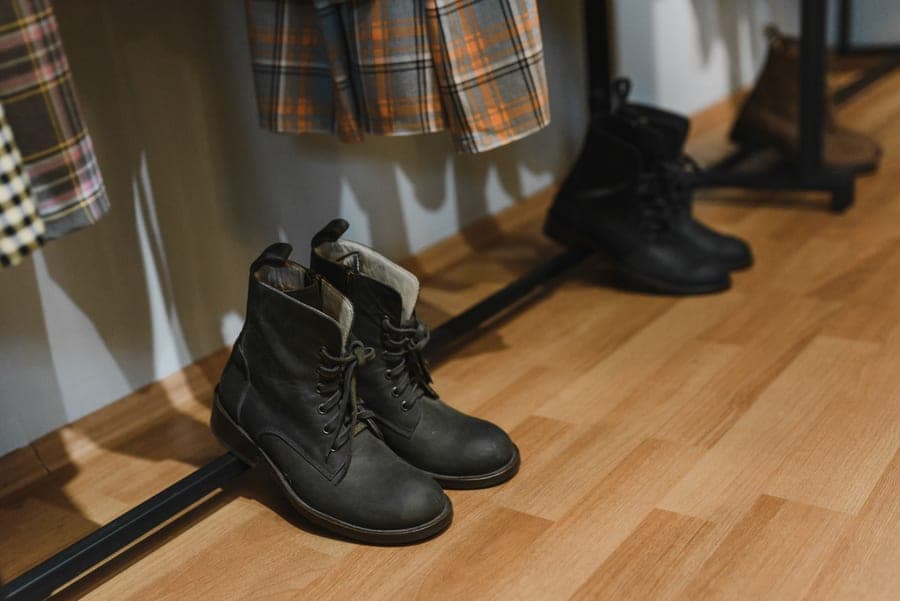 Illustrative photo Illustrative photoWooden Boot JackYou give up portability. | getting boots off without wrecking them | |
| 2 | Illustrative photo Cedar Boot TreesYou give up closet space, and cedar needs light sanding every year or so to refresh its scent and absorbency. | stopping the shaft folding over | |
| 3 | 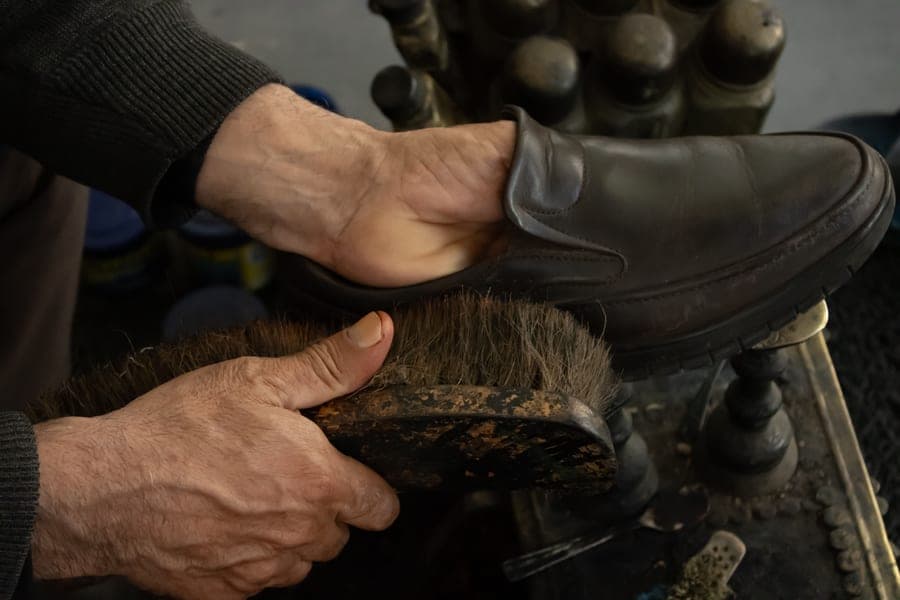 Illustrative photo Illustrative photoLeather Boot Care Kit with BrushesYou give up control over the chemistry. | getting everything at once | |
| 4 | 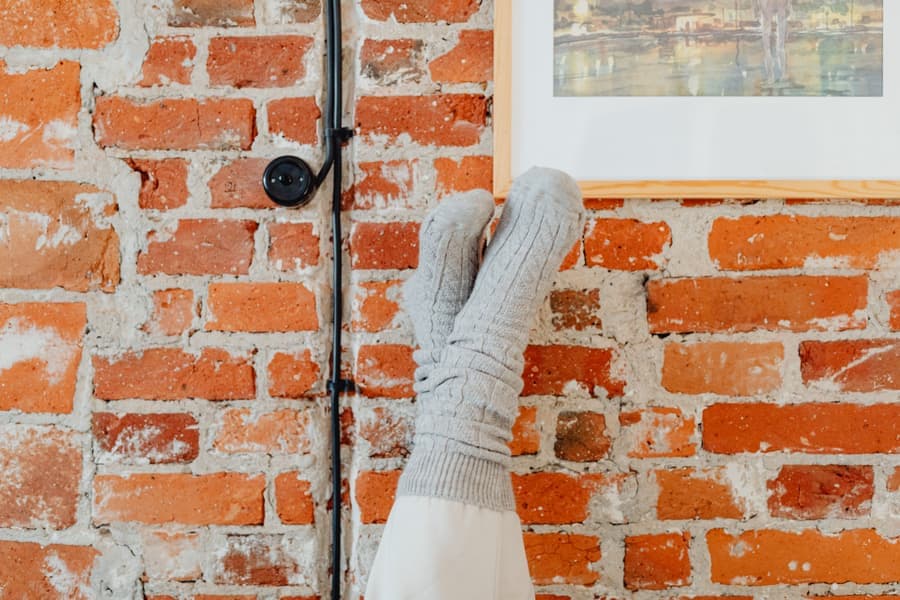 Illustrative photo Illustrative photoMid-Calf Boot SocksYou give up a little coolness in summer. | the cheapest fix for boot discomfort | |
| 5 | Illustrative photo Bickmore Bick 4 Leather ConditionerYou give up waterproofing. | the one conditioner to own | |
| 6 | Illustrative photo Boot Shaper InsertsYou give up moisture absorption and the cedar smell. | storing tall-shafted boots cheaply |
#ad - price checked on Amazon at the time you click. Last price check: October 13, 2026. How we are funded
Pick 1
Wooden Boot Jack - best for getting boots off without wrecking them
Illustrative photoThe first week in cowboy boots teaches everyone the same lesson: they are harder to take off than to put on, and the usual method - standing on the heel of one boot with the toe of the other - crushes the counter and scuffs the vamp. A boot jack is a notched block you step into; it grips the heel and you simply pull your foot out. The wooden ones are a few dollars, last forever and are the single most-used accessory any boot owner has. Get one before you get the boots.
What you give up: You give up portability. A boot jack lives by the door - it is not something you travel with, so you will still need the careful hands-on method away from home.
Good
- Stops you damaging the heel
- Costs almost nothing
- Lasts forever
Less good
- Not portable
- Needs a hard floor to sit on
| Material | Wood (metal and plastic also sold) |
|---|---|
| Use | Step in, grip the heel, pull out |
| Protects | Heel counter and vamp |
| Where | By the door |
Pick 2
Cedar Boot Trees - best for stopping the shaft folding over
Illustrative photoThe boot problem nobody warns beginners about is the shaft collapsing: leave a tall boot standing empty for a few months and it folds at the ankle, and the crease becomes permanent. Boot trees - or the cheaper boot shapers - hold the shaft upright and absorb moisture while they do it, and cedar does the second job better than plastic because it actually wicks. For a first pair this is a $20 purchase that protects a $200 one, which makes it the highest-return thing on this entire site.
What you give up: You give up closet space, and cedar needs light sanding every year or so to refresh its scent and absorbency.
Good
- Prevents a permanent fault
- Absorbs moisture and odor
- Very cheap insurance
Less good
- Takes closet space
- Needs occasional sanding
| Material | Cedar (plastic shapers are cheaper) |
|---|---|
| Job | Holds shaft upright, absorbs moisture |
| Prevents | Permanent ankle creasing |
| Maintenance | Light sanding annually |
Pick 3
Leather Boot Care Kit with Brushes - best for getting everything at once
Illustrative photoA kit is worth buying over separate items for one reason: the brushes. A horsehair brush for buffing, a stiffer brush for dried dirt, a dauber for working product into the welt and a lint-free cloth are the tools that make care take five minutes instead of twenty, and bought separately they cost more than a kit. Check what conditioner is included and whether it darkens - if the kit's product is an oil or a wax and your boots are light brown, keep the brushes and use Bick 4 instead. That is not a criticism of kits; it is how everyone's boot-care box ends up.
What you give up: You give up control over the chemistry. Kit conditioners are generic, and on a light or exotic leather a generic product is a risk.
Good
- Cheaper than buying tools separately
- Everything in one box
- Brushes last for years
Less good
- Generic conditioner
- Quality varies by seller
| Typically includes | Horsehair brush, dauber, cloth, conditioner |
|---|---|
| Best part | The brushes |
| Check | Whether the included product darkens |
| Time per clean | About five minutes |
Pick 4
Mid-Calf Boot Socks - best for the cheapest fix for boot discomfort
Illustrative photoMost of what beginners blame on the boot is actually the sock. A cotton ankle sock in a cowboy boot does two bad things: it stops below the shaft so the leather rubs bare skin on the calf, and it holds sweat against the foot, which is both uncomfortable and hard on the boot's lining. A mid-calf or over-the-calf sock in merino or a synthetic blend fixes both, and a slightly thicker sock also takes up the small amount of slack that causes heel slip in a new boot. Buy three pairs with the boots, not after.
What you give up: You give up a little coolness in summer. A taller, thicker sock is warmer - which is why straw hats and lighter socks go together in July.
Good
- Stops calf rub
- Manages sweat
- Takes up slack
Less good
- Warmer in summer
- Merino costs more than cotton
| Height | Mid-calf or over-the-calf |
|---|---|
| Material | Merino or synthetic blend |
| Avoid | Cotton ankle socks |
| Also fixes | Mild heel slip in a new boot |
Pick 5
Bickmore Bick 4 Leather Conditioner - best for the one conditioner to own
Illustrative photoBick 4 is the conditioner to buy if you only buy one, and the reason is a single property: it does not darken leather. That matters more on boots than on anything else, because the usual conditioners and oils will take a light brown boot several shades darker and there is no undoing it. Reviewers consistently note that Bick 4's non-darkening claim holds up, that it absorbs well and that it works across a range of leathers, with the caveat that it can leave a little surface build-up if you over-apply. Use it two or three times a year on a boot in regular wear, and after any soaking.
What you give up: You give up waterproofing. A conditioner is not a weather treatment - it keeps leather supple, it does not keep water out.
Good
- Will not darken light leather
- Absorbs well
- Works on most leathers
Less good
- Builds up if over-applied
- No water resistance
| Type | Cream conditioner |
|---|---|
| Darkening | Non-darkening |
| Use on | Smooth finished leathers |
| Frequency | 2-3 times a year in regular wear |
Pick 6
Boot Shaper Inserts - best for storing tall-shafted boots cheaply
Illustrative photoIf cedar trees are more than you want to spend across several pairs, plastic or fabric shaft inserts do the structural half of the job for a few dollars a pair. They hold a 13-inch shaft upright so it cannot fold at the ankle, which is the fault that actually ruins a tall boot in storage. They do not wick moisture, so give the boot a day to dry before inserting them, and do not use them as a substitute for drying a soaked boot properly.
What you give up: You give up moisture absorption and the cedar smell. Inserted into a damp boot they make things worse, not better.
Good
- Very cheap across several pairs
- Light
- Prevents shaft collapse
Less good
- No moisture control
- Must not go into damp boots
| Material | Plastic or stiffened fabric |
|---|---|
| Job | Shaft support only |
| No | Moisture absorption |
| Rule | Insert only into a dry boot |
#ad - price checked on Amazon at the time you click. Last price check: October 13, 2026. How we are funded
Why these and not the usual suggestions
| Gift | Problem it solves | Will they use it? |
|---|---|---|
| Boot jack | Taking tall boots off without crushing the heel counter | Daily, if they own tall boots |
| Cedar boot trees | A shaft that folds at the ankle in storage - a permanent fault | Every time the boots come off |
| Care kit with brushes | Dirt and dryness, the two things that kill leather | Twice a year, for decades |
| Boot socks | Calf rub and heel slip, the two most common complaints | Every wear |
| Non-darkening conditioner | Cracking at the vamp | Twice a year |
| Shaft inserts | Several tall pairs needing support cheaply | Constantly, invisibly |
How to make a small gift feel bigger
- Pair two. A jack and a pair of socks, or trees and a conditioner. Two small useful things read as thought rather than as an afterthought.
- Add the why. Most people do not know that standing on the heel of one boot to pull it off crushes the counter. A line explaining what the gift prevents turns it from an object into advice.
- Buy the better version of the cheap thing. Cedar trees over plastic inserts; merino socks over cotton. In this range the upgrade costs very little and is noticeable.
Common questions
What is a good cheap gift for someone who wears cowboy boots?
A boot jack or a set of cedar boot trees. Both are inexpensive, neither needs a size, and both prevent specific damage that boot owners otherwise do to their own boots.
What do cowboy boot owners actually need?
A jack for taking boots off, trees for storing them, a conditioner and a brush for caring for them, and proper mid-calf socks. That list covers almost every routine problem boots create.
Are boot care kits a good gift?
Yes, mainly for the brushes - a horsehair brush, a stiff brush and a dauber bought separately cost more than a kit. Check whether the included conditioner darkens leather if their boots are light.
What is the best gift for someone buying their first pair of boots?
Cedar boot trees and a pair of mid-calf boot socks. The trees prevent the fault that ruins tall boots in storage and the socks fix the most common first-week complaint.
Should I buy western-themed decorations as a gift?
Generally not. Decorative pieces tend to end up in a drawer; practical boot accessories get used every week. If you want a keepsake, a good belt is the one decorative item that is genuinely worn.
About the author
Selena H.
Selena H. is the owner and editor of Spur & Stitch. She started the site after discovering how much western-boot buying advice assumes you already know what a welt is. Every guide here is written for the person buying their first pair.
Read next
Western wear
The best western gifts for a beginner
Gift ideas for someone new to western wear, including what to buy without knowing their size.
Care
The best boot care kits
What a care kit should contain, why the brushes are the real value, and what to buy separately.
Fit & sizing
Boot stretchers and boot jacks
The two cheapest tools in western boots, what each does, and what neither can fix.
Care
How to store cowboy boots
Tall boots collapse at the ankle in storage and the crease sets. How to prevent it.