Boots
Exotic cowboy boots: a plain guide to the skins
What each exotic skin actually does on a boot, how it ages, and why it is almost never the right first pair.
By Selena H. · Updated October 17, 2026
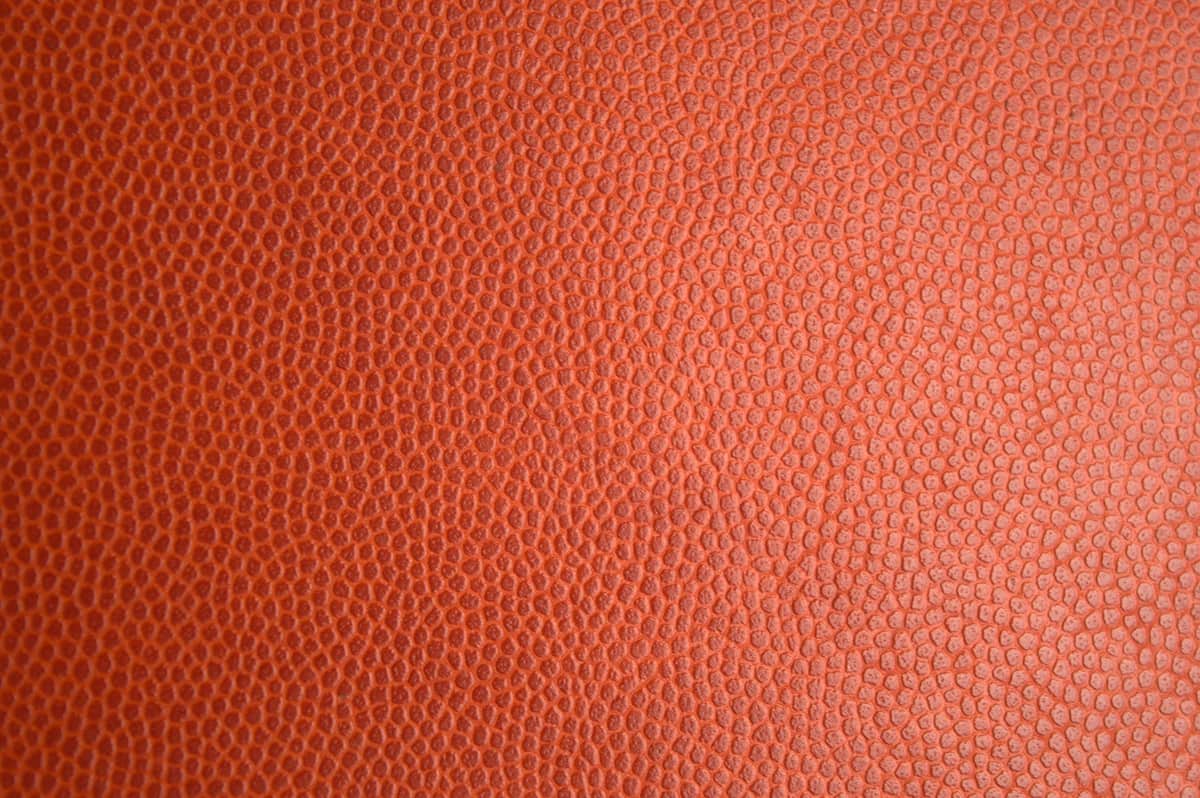
An exotic boot is a boot whose vamp - the part over the foot - is made from something other than cowhide: caiman, ostrich, lizard, python, stingray or elephant, usually on a cowhide shaft. They cost several times what a calfskin boot costs, they flex and age differently from cowhide, and they are not the right first pair for almost anyone. Buy the plain boot first, learn your size and what you actually wear, then buy the exotic as a second pair.
That said, exotics are not just showing off. Several of the skins have genuine functional properties, and the reason a boot is built with the exotic only on the vamp is practical rather than cosmetic: that is where the flex happens and where the skin is seen. What follows is each skin, what it does, and what it asks of you.
The main skins, compared
| Skin | What it looks like | How it behaves | Care demand |
|---|---|---|---|
| Caiman / alligator | Tile or scale pattern, glossy, formal | Stiff when new, softens slowly; the most formal exotic | High - the scales need conditioner and must not dry out |
| Ostrich | Raised quill bumps on the full-quill cut, smooth on the leg cut | The softest and most forgiving exotic; flexes almost like calfskin | Moderate - a dedicated conditioner keeps the quills from drying |
| Lizard | Fine, tight small-scale pattern | Thin and supple, but the scales can lift with age | High - thin skin and small scales are easy to damage |
| Python / snake | Large flat overlapping scales | Supple, and the scale edges catch and lift with wear | High - avoid anything abrasive; scale lift is permanent |
| Stingray | Pebbled, bead-like surface, very hard | Extremely abrasion resistant and very stiff | Low wear, but it never softens much |
| Elephant | Deep coarse grain, thick | Very durable and heavy; softens over years | Moderate - thick skin, forgiving of the odd knock |
Ostrich is the one to start with
If you want one exotic boot, full-quill ostrich is the sensible answer. It is the most comfortable exotic by a distance because it flexes close to the way calfskin does, which means the break-in is a normal break-in rather than a fight. It is instantly recognizable without being loud, and it goes with more outfits than a glossy caiman does. The quill pattern only appears on the full-quill cut, which comes from the bird's back; ostrich leg is a different, smoother-looking cut and is usually less expensive.
What you actually pay for
- The hide itself, which is the biggest part - exotic skins are a fraction of the volume of cowhide and are priced accordingly.
- Matching and cutting. The two vamps on a pair have to be cut so the pattern is symmetrical, which wastes material.
- Hand work. Exotic boots are almost always built on the more traditional end of the process, which is slower.
- Not, usually, better construction. An exotic vamp on an ordinary welt is still an ordinary welt. Check the sole and the welt separately from the skin - boot construction explained covers what to look for.
The rules that are different from cowhide
- Rigid scale patterns do not flex like cowhide. Caiman and lizard take a longer, less comfortable break-in, and they will never be a sneaker-soft boot.
- Never use saddle soap or a harsh cleaner on an exotic. Dust with a soft cloth, use a conditioner formulated for the skin, and test on the back of the shaft first.
- Dry slowly, always. Heat is worse on exotic skins than on cowhide because the scales and quills shrink at a different rate from the backing.
- Keep them on trees. The shaft is usually cowhide and will fold; the vamp is the expensive part and a hard crease across a scale pattern is permanent.
- Check the law before you travel with them. Several exotic skins are regulated by international wildlife trade rules, and documentation requirements vary by country and by species. If you plan to cross a border with a pair, look up the current rules for that species and that country - this is not something to guess at.
What an exotic pair needs, and the plain boot to buy first
A gentle conditioner and trees are the minimum for any exotic. If this is your first pair of western boots at all, buy the plain calfskin boot first and come back to the exotic.
These links go to Amazon and we earn a commission if you buy. How we pick.
 Illustrative photo
Bickmore Bick 4 Leather Conditioner
For the one conditioner to own.
 Illustrative photo
Ariat Heritage Roughstock
For the safest first pair for most men.
#ad - price checked on Amazon at the time you click. Last price check: October 13, 2026. How we are funded
When an exotic is a bad idea
If it is your first pair, if you want one boot for everything, if you will be standing on concrete all day, or if the boot has to survive rain and mud - in all four cases, buy a plain cowhide boot. Exotics are second pairs. They reward someone who already knows their size, their toe shape and what they actually wear, and they punish someone still learning those things with an expensive mistake. Start at the beginners roundup and come back to this page when you are buying pair two.
How to check what you are buying
- The listing names the species. Caiman, American alligator, ostrich, teju lizard - a real exotic listing is specific, because the species is the price.
- The pattern is not repeating. Embossing repeats; a real hide does not.
- The vamp and the shaft are described separately. Most exotic boots use the exotic on the vamp only, and the listing will say so.
- The price is consistent with the claim. A genuine caiman vamp has a materials floor. Well under it means it is a print.
Common questions
What are exotic cowboy boots?
Boots whose vamp is made from a skin other than cowhide - caiman, alligator, ostrich, lizard, python, stingray or elephant are the common ones. The shaft is usually cowhide, because the vamp is where the skin is seen and where it has to flex.
Which exotic boot is the most comfortable?
Full-quill ostrich, by a clear margin. It flexes close to the way calfskin does, so it breaks in normally. Caiman and lizard have rigid scale patterns that stay stiffer for much longer.
Are exotic cowboy boots worth it?
As a second pair, for someone who already knows their size and what they wear, they can be. As a first pair they are a poor buy: expensive, less versatile, and demanding to care for while you are still learning what you actually want in a boot.
How do you care for exotic leather boots?
Dust with a soft cloth, use a conditioner made for the specific skin, test on the back of the shaft first, never use saddle soap or harsh cleaners, dry slowly away from heat, and keep them on trees so the vamp does not crease across the pattern.
How can I tell real exotic leather from an embossed print?
A real hide has an irregular, non-repeating pattern and the listing names the species. Embossed cowhide repeats, is described as croc print or gator print, and costs a fraction as much. If the species is never named, assume it is a print.
Can I travel internationally with exotic skin boots?
Sometimes, and sometimes only with documentation. Several exotic species are covered by international wildlife trade regulation, and requirements differ by species and country. Check the current rules for your species and destination before you travel rather than assuming.
About the author
Selena H.
Selena H. is the owner and editor of Spur & Stitch. She started the site after discovering how much western-boot buying advice assumes you already know what a welt is. Every guide here is written for the person buying their first pair.
Read next
Boots
Cowboy boot leather types
Full-grain, top-grain, corrected, suede, roughout and exotics - and which words are a warning.
Boots
Boot construction, explained
Goodyear welt, stitchdown and cemented construction - and why it decides resoling.
Boots
How much should cowboy boots cost?
What each price band buys, and the one question that should decide your budget.
Care
The best leather conditioners for cowboy boots
Which conditioner to use, which ones darken leather, and conditioning versus waterproofing.
Boots
The best cowboy boots for a wedding
Five boots that work at a wedding without reading as costume - plus the grass-venue sole rule.