Boots
The best cowboy boots for dancing
Dancing is the one occasion where a slick leather sole is the feature, not the flaw.
By Selena H. · Updated October 13, 2026
Spur & Stitch is reader-funded. As an Amazon Associate we earn from qualifying purchases - at no extra cost to you. Affiliate disclosure
We choose picks by comparing published specifications, construction, sizing guidance and aggregated owner feedback. We have not worn these boots ourselves. How we pick
Everywhere else on this site we warn you that leather soles are slick. On a dance floor that is exactly what you want: a sole that pivots and slides lets you turn without your foot gripping and your knee taking the strain.
That one inversion drives every recommendation here. A dancing boot wants a smooth leather sole, a heel between one and two inches for balance, a snug fit so the boot moves with you rather than after you, and a shaft that is not so tall it restricts the ankle. Rubber soles - the right answer for concerts, work and bad weather - are the wrong answer here.
Quick picks
Tap any row to jump to the full write-up. The price column goes straight to Amazon.
| # | Product | Best for | Price |
|---|---|---|---|
| 1 |  Illustrative photo Illustrative photoJustin Bent RailYou give up wet-weather confidence and grip. | a first pair you can wear to a wedding | |
| 2 | Illustrative photo Dan Post MilwaukeeYou give up modern cushioning technology. | a classic stitched boot with an orthotic insole | |
| 3 | 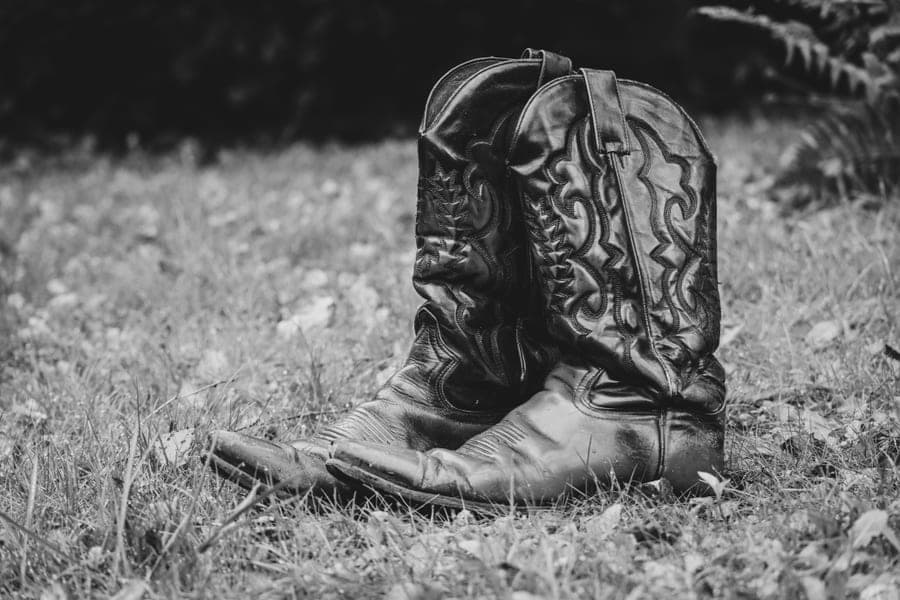 Illustrative photo Illustrative photoTony Lama BonhamYou give up toe-box room and cost. | a dressier traditional boot with a tall shaft | |
| 4 | Illustrative photo Ariat Heritage RoperYou give up the silhouette. | anyone who does not want a tall shaft or a tall heel |
#ad - price checked on Amazon at the time you click. Last price check: October 13, 2026. How we are funded
Pick 1
Justin Bent Rail - best for a first pair you can wear to a wedding
Illustrative photoJustin's Bent Rail collection is the answer to a question beginners ask constantly: which cowboy boot does not look like a work boot. Justin publishes a leather upper over a leather outsole with a double-stitched welt, an 11-inch boot height, a broad square toe and its J-Flex insole. The leather outsole is the part that matters for dressing up - it is thinner and quieter than rubber, it takes a shine, and it is why this boot reads as footwear rather than equipment. The broad square toe keeps it comfortable despite that. Justin states the line is handcrafted in the USA with globally sourced materials, which is unusual at this price.
What you give up: You give up wet-weather confidence and grip. A leather sole is slick on tile and wet pavement until it wears in, and it is not what you want for a muddy field.
Good
- Dressy leather sole at a mid price
- Broad square toe is roomy
- Resoleable welt
Less good
- Slick on smooth and wet surfaces
- Leather sole needs protecting
| Toe | Broad square |
|---|---|
| Height | 11 in (per Justin) |
| Outsole | Leather, double-stitched welt |
| Insole | J-Flex Flexible Comfort System |
| Made | USA with globally sourced materials |
Pick 2
Dan Post Milwaukee - best for a classic stitched boot with an orthotic insole
Illustrative photoThe Milwaukee is the Dan Post boot most people mean when they say Dan Post: classic western stitching on the shaft, a cowboy heel, and the brand's Soft Strike removable orthotic insole. The removable insole is the practical reason to care. If you wear your own orthotic or need more arch support than a boot comes with, a removable footbed is the difference between a boot that works and a boot that sits in the closet - and most boots in this price band are glued in. Dan Post's shapes run more traditional than Ariat's, so if you have been looking at square toes and finding them clumsy, this is the alternative to try.
What you give up: You give up modern cushioning technology. This is a conventional boot with a good insole, not an engineered comfort system.
Good
- Removable insole takes your own orthotic
- Traditional lines
- Well-known, easy to find
Less good
- Cowboy heel needs more break-in
- Less cushioning than sport lines
| Toe | Traditional / pointed and square options |
|---|---|
| Insole | Soft Strike removable orthotic |
| Heel | Cowboy heel |
| Upper | Leather, western stitch pattern |
Pick 3
Tony Lama Bonham - best for a dressier traditional boot with a tall shaft
Illustrative photoTony Lama sits in the slot between the mid-market brands and the handmade tier, and the Bonham is its cushion-comfort everyday boot, listed at a 13-inch height. The reason to put it on a beginner's list is the proportion: Tony Lama's shapes are narrower and more upright than the square-toe mainstream, so a boot like this works with a dress trouser in a way a wide square toe never will. If the occasion you are buying for is a wedding or a night out rather than a fairground, start here and in Justin's Bent Rail rather than in the sport lines.
What you give up: You give up toe-box room and cost. The narrower last is unforgiving if your foot is wide, and the price sits above the entry brands.
Good
- Dressier proportions
- Tall shaft
- Step up in finish
Less good
- Tight for wide feet
- Higher price than entry brands
| Shaft | 13 in (per Tony Lama) |
|---|---|
| Fit | Narrower, more upright last |
| Insole | Cushion comfort |
| Upper | Leather |
Pick 4
Ariat Heritage Roper - best for anyone who does not want a tall shaft or a tall heel
Illustrative photoA roper is the quiet entry point into western boots, and this is the one to start with. Ariat's Heritage Roper uses a round toe, a low walking heel and a shorter shaft than the Roughstock, which changes two things for a beginner: it is far easier to walk in on hard floors, and it disappears under a pair of jeans instead of announcing itself. If the thing stopping you buying cowboy boots is that you think you will look like you are in costume, buy a roper first. The same Ariat construction cues apply - full-grain upper, cushioned insole - and because the heel is low, the break-in period is shorter and the ankle rub most people complain about in week one is much milder.
What you give up: You give up the silhouette. A roper is not what people picture when they say cowboy boot, and it will not hold a stirrup the way a riding heel does.
Good
- Easiest western boot to walk in
- Short break-in
- Reads as a normal boot under jeans
Less good
- Not the classic cowboy silhouette
- Low heel is wrong for riding
| Toe | Round |
|---|---|
| Shaft | Short (roper cut) |
| Heel | Low walking heel |
| Upper | Full-grain leather |
| Best use | Walking, standing, everyday wear |
#ad - price checked on Amazon at the time you click. Last price check: October 13, 2026. How we are funded
What dancers actually look for
- A smooth leather sole. Pivoting is the whole point. New leather soles are too slick for a day or two and then settle into the right amount of slide.
- A heel you can balance on. One to two inches. Under an inch and the boot feels flat and the posture goes; over two and turns get precarious.
- A snug midfoot. Slop in the boot means your foot arrives after you do. This is the one context where you want the boot slightly closer-fitting than you otherwise would.
- No rubber, no lugs. A grippy sole on a dance floor is how knees get twisted.
If your soles are too slick
A genuinely new leather sole can be dangerous on a polished floor for the first evening. The traditional fix is to scuff the sole lightly with sandpaper or to walk a hundred yards on rough concrete. Do not apply anything sticky and do not fit a rubber half-sole to a dancing boot - you will have solved the wrong problem.
Looking after a dance boot
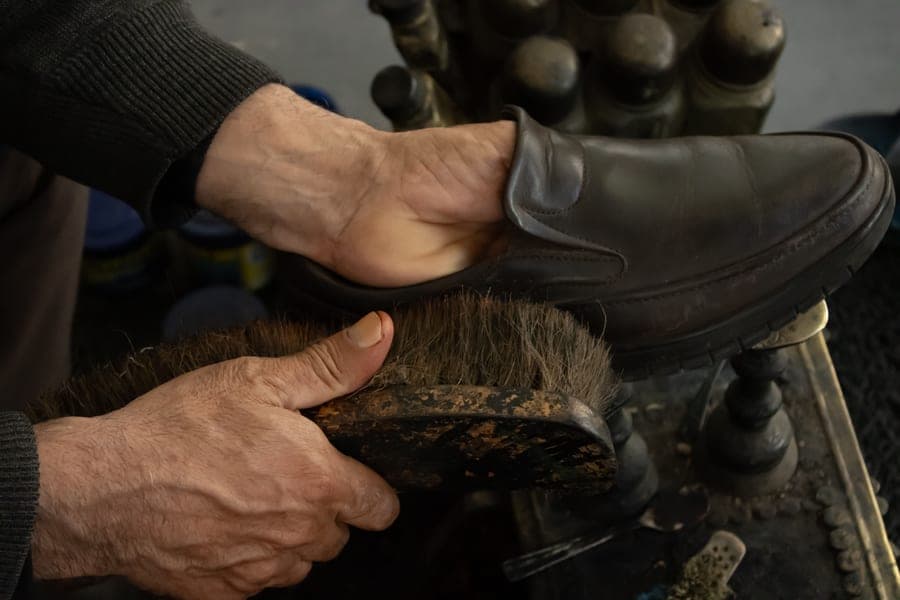
Leather soles absorb everything a dance floor has, and the uppers take scuffs from other people's boots.
These links go to Amazon and we earn a commission if you buy. How we pick.
 Illustrative photo
Bickmore Bick 4 Leather Conditioner
For the one conditioner to own.
#ad - price checked on Amazon at the time you click. Last price check: October 13, 2026. How we are funded
Common questions
What kind of cowboy boots are best for two-stepping?
A leather-soled boot with a heel of one to two inches and a snug midfoot. The smooth sole lets you pivot, the heel keeps your posture upright, and a close fit means the boot turns when you do.
Are rubber-soled boots bad for dancing?
Yes, for anything involving turns. Rubber grips the floor while your body keeps rotating, which puts the load through your knee. Save rubber soles for standing, walking and weather.
How high should a dancing boot heel be?
Between one and two inches. Flat boots change your posture in a way dancers notice immediately; heels above two inches make turns unstable, especially on a crowded floor.
Should dancing boots be tight?
Snugger than an everyday boot, but never painful. You want minimal movement of the foot inside the boot, with the usual quarter to half inch of heel lift when new.
How do I make new boots less slippery for dancing?
Scuff the sole lightly with coarse sandpaper, or walk a short distance on rough concrete. Do not add grip products or a rubber sole - a dance boot is supposed to slide, just not on its first night.
About the author
Selena H.
Selena H. is the owner and editor of Spur & Stitch. She started the site after discovering how much western-boot buying advice assumes you already know what a welt is. Every guide here is written for the person buying their first pair.
Read next
Boots
Leather sole vs rubber sole cowboy boots
Grip, wear, formality and resoling - plus the cheap fix that gets you both.
Boots
Cowboy boot heel types and heights
Riding, walking, roper, stockman and rocker heels - what each does to comfort and balance.
Care
Sole protectors and grip for cowboy boots
Half-soles, grip pads and the cobbler fix that makes a leather sole safe and longer-lasting.
Outfits
What to wear to a country concert
The complete concert outfit for men and women, built for six hours upright outdoors.