Boots
Cowboy boots vs work boots
Two boots built for different jobs. The heel, the lacing and the safety rating decide which one is right for yours.
By Selena H. · Updated October 17, 2026
Spur & Stitch is reader-funded. As an Amazon Associate we earn from qualifying purchases - at no extra cost to you. Affiliate disclosure
We choose picks by comparing published specifications, construction, sizing guidance and aggregated owner feedback. We have not worn these boots ourselves. How we pick
Buy a work boot if your job requires a safety rating, you work on uneven ground, or you need a boot that adjusts to your foot as the day goes on. Buy a cowboy boot if you ride, if a pull-on boot with nothing to catch or lace suits your work better, or if your job has a western dress code. The dividing line is not toughness - it is the heel, the lacing and the rating on the label.
People usually ask this question because they already own cowboy boots and want to know whether they can wear them to work. The honest answer is that it depends almost entirely on your workplace's footwear rule, and after that on terrain. What follows is the specification-by-specification version, then the job-by-job version.
The differences that matter, side by side
| Feature | Cowboy boot | Work boot |
|---|---|---|
| Closure | Pull-on. Nothing to lace, nothing to catch, nothing to fill with grit | Laced. Adjusts to your foot through the day and holds the ankle |
| Heel | Angled 1 to 2 in, designed to stop the foot sliding through a stirrup | Low, flat, wide. Designed for ladders and flat ground |
| Shank | Steel or composite, running under the arch - very firm | Usually present, often less pronounced |
| Toe | Shaped - round, square, snip. Usually unprotected | Often steel or composite safety toe, rated |
| Outsole | Leather or rubber, depending on model | Rubber, lugged, slip and oil resistant as standard |
| Shaft | 11 to 13 in, keeps brush and dirt out | 6 to 8 in typical, laced to the ankle |
| Ratings | Only on specific western work models | ASTM safety ratings are the norm in the category |
The heel is the real divide
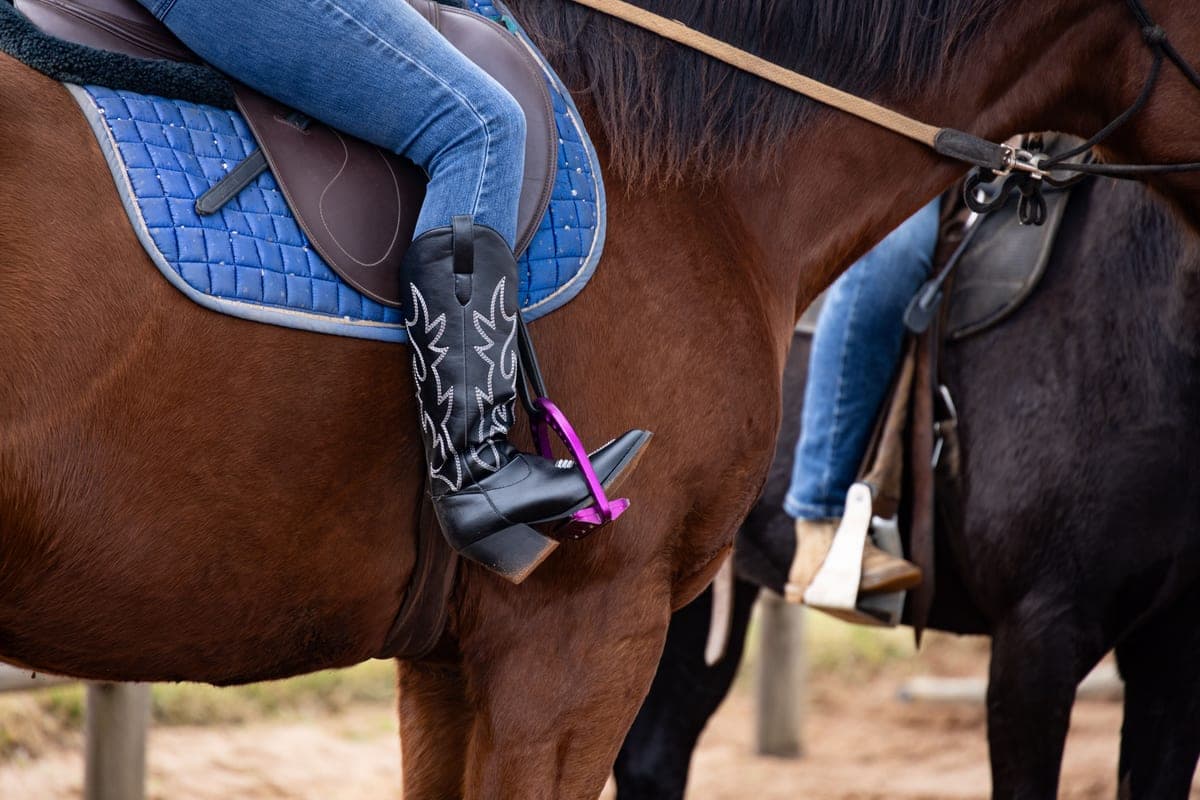
A western heel exists for one reason: it stops your foot sliding forward through a stirrup, and it lets you brace against the stirrup when you need to. That is genuinely useful on a horse and faintly inconvenient everywhere else. A work boot's flat, wide heel gives you more contact area on a ladder rung and more stability on scaffolding or broken ground. If you spend your day climbing or on uneven surfaces, that is not a style preference, it is a safety difference. The detail behind it is in why cowboy boots have heels and cowboy boot heel types.
Safety ratings: read the label, not the style
If your workplace requires protective footwear, the only thing that counts is whether the specific boot carries the rating, which is printed on its own label and stated in the product description. Several western brands make steel and composite safety-toe boots inside their work lines, so a western-looking safety boot is perfectly possible - it is simply a different model from a standard cowboy boot. No amount of leather thickness substitutes for a rated toe cap.
Which boot for which job
| Work | Better choice | Why |
|---|---|---|
| Horseback, ranch, stockyard | Cowboy boot | Heel and shaft are designed for a stirrup and for brush |
| Construction site with a footwear policy | Rated work boot | A rating is a rule, not a preference |
| Scaffolding, ladders, roofing | Work boot | Flat heel and a laced ankle on uneven footing |
| Driving, deliveries, yard work | Either | Pull-on convenience usually wins if there is no rating required |
| Retail, hospitality, trade counters | Cowboy boot with a rubber sole | Long standing on hard floors; no rating required in most roles |
| Welding and hot work | Work boot built for it | Specific protective requirements that a dress boot does not meet |
Pick 1
Rebel by Durango Pull-On - best for walking and standing all day
 Illustrative photo
If your first pair has to survive a concert, a fairground or a shift on your feet, buy a rubber sole and a low heel - and the Rebel is the clearest version of that. Durango publishes full-grain antiqued leather, a double-row welt stitch, a flexible dual-density outsole made with slip-, oil- and abrasion-resisting rubber, a 1.5-inch rocker heel, a tempered steel shank and a cushioned, ventilated footbed. The rocker heel is the detail beginners underrate: it rolls the step forward instead of dropping your weight onto a stacked heel, which is why this boot does not punish you at hour six. The 11-inch pull-on shaft with pull straps also makes it one of the easier boots to get on without a boot jack.
What you give up: You give up traditional looks and resoleability in the classic sense. The dual-density rubber sole is a cobbler job, not a simple leather resole, and purists will clock it instantly.
Good
- Genuinely comfortable standing all day
- Grippy in wet weather
- Easy to pull on
Less good
- Not a traditional sole
- Antiqued finish is not for everyone
| Toe | Square |
|---|---|
| Height | 11 in (12 in on some models) |
| Upper | Full-grain antiqued leather |
| Outsole | Dual-density rubber, slip and oil resisting |
| Heel | 1.5 in rocker |
| Support | Tempered steel shank |
Pick 2
Twisted X Tech X Boot - best for the most comfortable thing that still looks western
 Illustrative photo
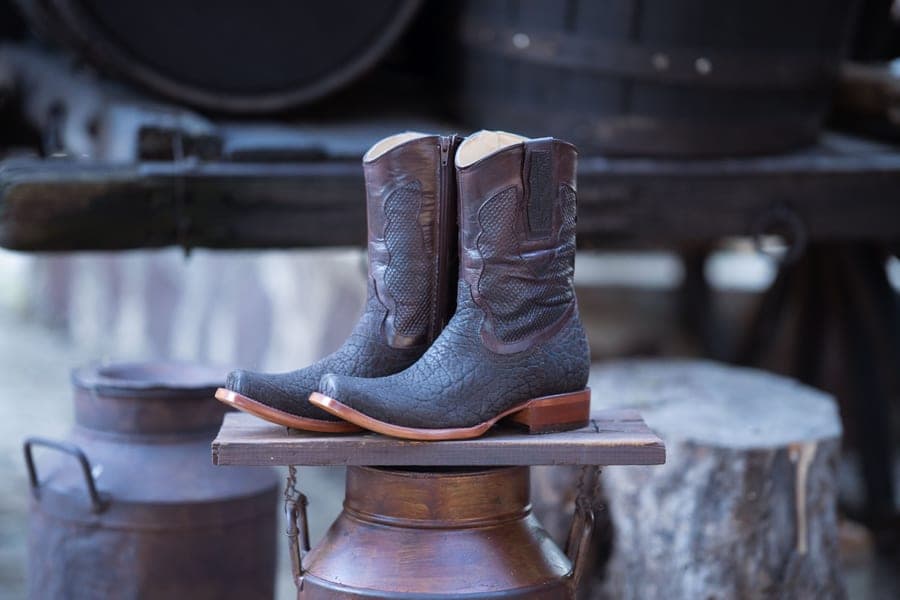
Twisted X builds western boots the way an athletic brand would, and the Tech X is the clearest example. The company describes CellStretch comfort technology activating more than 100 individual pressure points in the heel and ball of the foot, a Blend85 recycled foam footbed, a nylon and glass-fiber shank, and a rubber outsole infused with blended rice husk, with a tapered heel and an integrated spur shelf. In plain terms: it is engineered for standing, and people who try it after a traditional boot usually do not go back. For a beginner it removes the break-in problem almost entirely, which is why it belongs on a shortlist even though it is the least traditional boot here.
What you give up: You give up tradition and resoleability. This is a modern composite boot - a bootmaker cannot rebuild it, and it will never patina like leather-soled calfskin.
Good
- Almost no break-in
- Best-in-class for standing
- Light
Less good
- Least traditional construction
- Not resoleable
- Sneaker-adjacent to purists
| Comfort | CellStretch pressure-point system (per Twisted X) |
|---|---|
| Footbed | Blend85 recycled foam |
| Shank | Nylon / glass fiber |
| Outsole | Rubber with blended rice husk |
| Heel | Tapered, integrated spur shelf |
Pick 3
Ariat Sport Wide Square Toe - best for wide feet, without ordering a special width
Illustrative photoWide feet are the single most common reason a first pair gets returned, and the usual advice - order a D or EE width - only helps if the retailer stocks it. A wide square toe solves the problem from the other direction by giving the front of the foot room in the toe box itself, which is where the pain actually is. Ariat's Sport line is built on that wide square shape with a lightweight rubber outsole and a cushioned footbed, and it is the pair to try before you start paying for custom widths. Order your normal size first: a wide square toe already buys you most of the room a width letter would, and going up a half size usually produces heel slip instead of comfort.
What you give up: You give up a dressy line. A wide square toe is a blunt, modern shape - it looks right with bootcut jeans and wrong with a suit.
Good
- Toe-box room without hunting for a width
- Light for a western boot
- Easy on hard floors
Less good
- Blunt modern shape
- Not a dress boot
| Toe | Wide square |
|---|---|
| Upper | Leather |
| Outsole | Lightweight rubber |
| Footbed | Cushioned |
| Fit note | Order your normal size, not a half up |
#ad - price checked on Amazon at the time you click. Last price check: October 13, 2026. How we are funded
Comfort over a long day
Neither category wins outright. A modern work boot usually has more cushioning underfoot and a flatter platform. A good western boot has a firmer arch and no pressure points from laces, which some people much prefer. The variables that actually decide comfort are the same in both: a rubber outsole, a heel under 1.5 inches, a removable footbed and a boot that fits in length and width rather than one bought long. Our picks for the western side of that are in the most comfortable western work boots and boots for standing all day.
Making a western boot work-ready
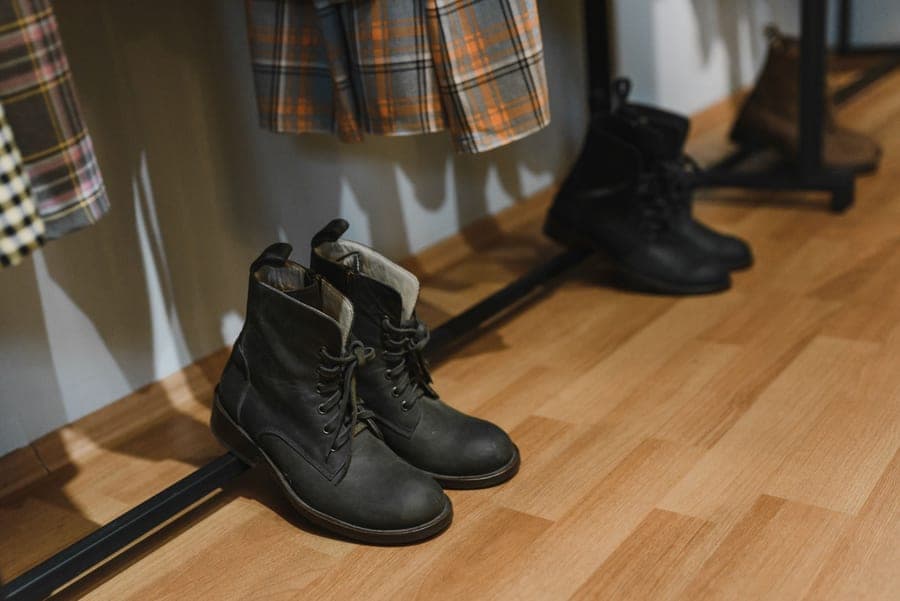
Grip for a leather sole, insoles for the arch, and mink oil if the boot meets weather.
These links go to Amazon and we earn a commission if you buy. How we pick.
 Illustrative photo
Rubber Half-Sole Protectors
For making a leather sole safe and last.
Illustrative photoWestern Boot Insoles with Arch Support
For a boot that fits but hurts your arch.
#ad - price checked on Amazon at the time you click. Last price check: October 13, 2026. How we are funded
Durability and repair
A Goodyear-welted boot of either kind can be resoled repeatedly, which is the single biggest factor in cost per year. Cemented and bonded soles - common on both modern work boots and modern comfort-focused western boots - are replace-not-repair. The material matters less than people think: both categories use full-grain leather at the top of the range and corrected or split leather at the bottom. How boots are constructed explains how to read which is which from a listing.
Common questions
Can cowboy boots be used as work boots?
In many jobs, yes - ranch and barn work, driving, yard work and trades with no protective-footwear requirement. They are not a substitute for rated safety footwear, and the angled heel is a drawback on ladders and uneven ground.
Are cowboy boots as durable as work boots?
A welted western boot from an established maker is as durable as a welted work boot, and both can be resoled. Where work boots pull ahead is in abrasion-resistant toe caps, lugged outsoles and reinforced lacing hardware built for rough sites.
Do cowboy boots have steel toes?
Standard western boots do not. Several brands make steel and composite safety-toe models inside their work lines, and those carry the rating on the label. Style tells you nothing about protection; the label does.
Why do cowboy boots have a raised heel if they are worn for work?
The heel is a riding feature. It stops the foot sliding through a stirrup and gives something to brace against. On the ground it is neutral at an inch and a nuisance at two, which is why western work models use lower rocker and roper heels.
Which is more comfortable for standing all day?
Whichever one has a rubber outsole, a low heel, a cushioned removable footbed and fits correctly. That is available in both categories, and the fit matters more than the category does.
Sources
About the author
Selena H.
Selena H. is the owner and editor of Spur & Stitch. She started the site after discovering how much western-boot buying advice assumes you already know what a welt is. Every guide here is written for the person buying their first pair.
Read next
Boots
The most comfortable western work boots
Five western boots that survive a working day, plus the honest answer on safety toes and job-site rules.
Boots
Why do cowboy boots have heels?
The angled heel is a riding safety feature, not a style choice - and whether you need one.
Boots
Leather sole vs rubber sole cowboy boots
Grip, wear, formality and resoling - plus the cheap fix that gets you both.
Boots
The best cowboy boots for standing all day
Five boots built for long days upright, and the three features that actually cut fatigue.
Boots
Boot construction, explained
Goodyear welt, stitchdown and cemented construction - and why it decides resoling.