Fit & sizing
How to walk in cowboy boots
The heel changes your stride whether you like it or not. Four adjustments make it look deliberate instead of awkward.
By Selena H. · Updated October 17, 2026
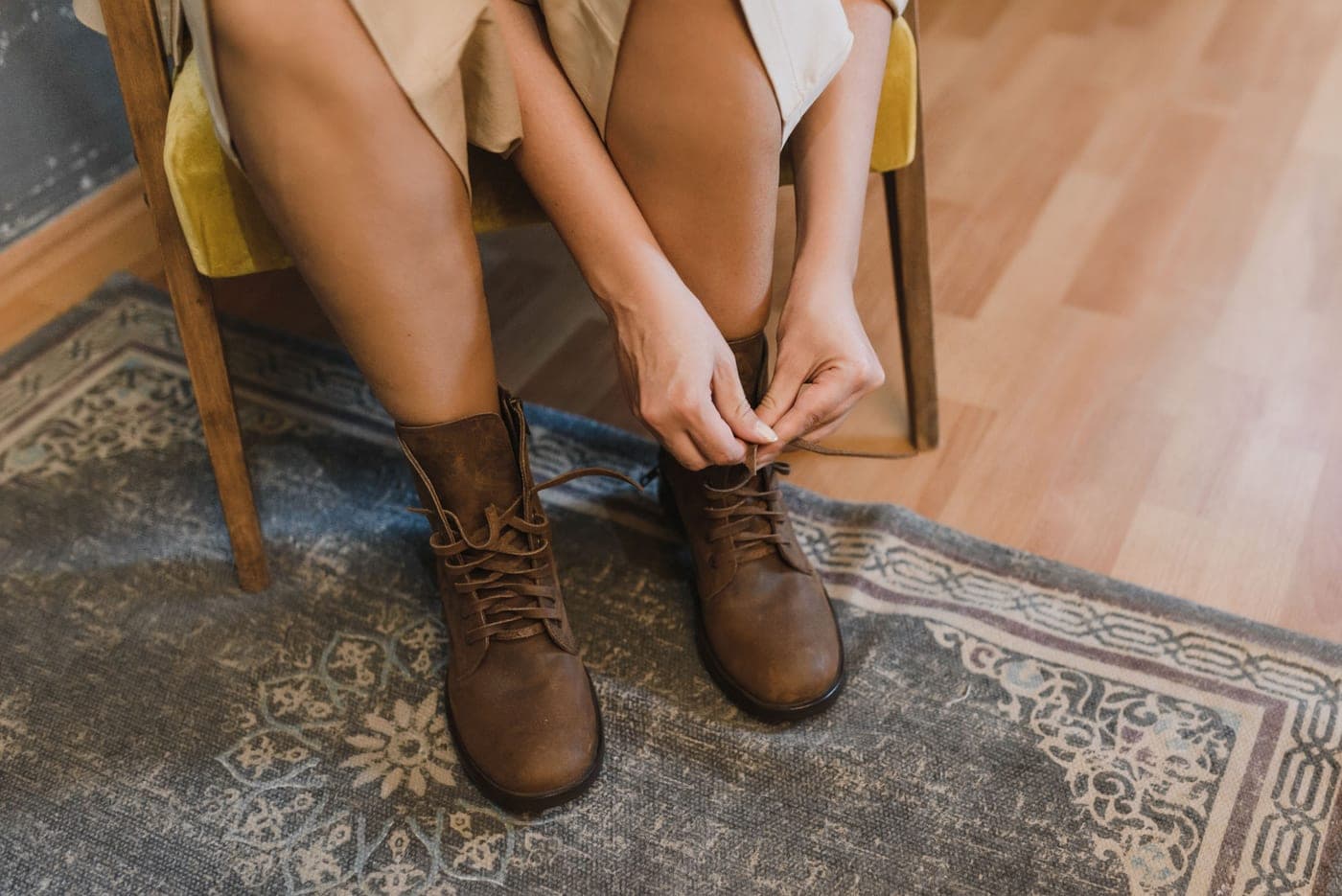
Walk heel first and roll through to the toe, shorten your stride slightly, stand up straighter than you think you need to, and keep your feet tracking under your hips. That is the whole technique. The clomping sound almost everyone makes in their first week comes from landing flat-footed on a sole that does not flex, and it goes away within a few days of walking heel first on purpose.
Cowboy boots genuinely change how you walk, and that is not a fault. A raised angled heel shifts your weight forward, a steel or composite shank makes the arch rigid, and a leather sole flexes far less than any sneaker. Those three things together mean your old stride does not transfer. The adjustment takes a few days of attention and then becomes automatic.
Why boots feel strange at first
- The heel tilts you forward. Even a 1-inch heel moves weight toward the ball of the foot and tips the pelvis slightly. Your body compensates by changing posture - the fix is to compensate upward, not by leaning back.
- The shank makes the midfoot rigid. A western boot does not bend under the arch the way a trainer does. You have to roll through the step rather than flexing the middle of your foot.
- The sole barely flexes when new. A new leather sole is close to a board for the first couple of weeks. This is normal and it is temporary.
- The heel pocket holds your foot differently. A correctly fitted new boot lifts a quarter to half an inch at the heel as you walk. People read that as the wrong size. It is not - see heel slip explained.
The four adjustments, in order of effect
Heel first, every step
Strike with the back of the heel and roll forward to the toe. This is the single change that stops the clomp, and it is the one people most often skip because it feels exaggerated for the first hour.
Stand taller
Let the heel lift your posture instead of pushing you into a lean. Shoulders back, chest open, head level. Boots look better on a straight back and they also walk better.
Shorten the stride a little
Maybe ten percent. A shorter step gives the stiff sole time to roll through rather than slapping flat on the floor.
Narrow your track
Western boots are cut narrow at the heel. Walking with the feet under the hips rather than apart feels right in them and also stops the sole scuffing on the inside edge.
Stairs, slick floors and wet pavement
A new leather sole is slick, and polished tile, wet pavement and painted concrete are where people fall. Going up stairs, place the ball of the foot on the tread rather than the whole boot - a western heel can overhang a shallow step. Going down, place the heel deliberately and slow down on anything smooth. If the sole is leather and you expect to be on wet or polished floors regularly, have a cobbler fit a thin rubber half-sole: it costs little, nobody sees it, and it solves the problem permanently. The options are in sole protectors and grip and the trade-offs in leather sole vs rubber sole.
The three things that help most
A proper mid-calf sock stops the shaft rubbing while you adjust, grip fixes a slick new leather sole, and a supportive insole helps if the rigid arch is the part bothering you.
These links go to Amazon and we earn a commission if you buy. How we pick.
 Illustrative photo
Rubber Half-Sole Protectors
For making a leather sole safe and last.
Illustrative photoWestern Boot Insoles with Arch Support
For a boot that fits but hurts your arch.
#ad - price checked on Amazon at the time you click. Last price check: October 13, 2026. How we are funded
If you are still clomping after a week
- Check the fit before the technique. A boot bought too long makes your foot slide forward and lands flat every time. How cowboy boots should fit runs the four checks.
- Check the heel height. A 2-inch riding heel is much harder to walk quietly in than a 1-inch roper heel. If you bought a tall heel for everyday walking, the boot is the problem rather than your stride - see cowboy boot heel types.
- Give the sole more time. A leather sole needs a couple of weeks of wear before it starts to flex. Until then nobody walks quietly in it.
- Walk on carpet for a few sessions. It removes the noise so you can feel the heel-to-toe roll without hearing it, which makes the habit stick faster.
Dancing in boots is a different skill
A leather sole that is slightly slick is exactly what you want on a dance floor - it pivots, which a rubber sole does not. That is the reverse of what you want on a wet sidewalk, which is why people who dance regularly keep a separate pair. If a dance floor is the reason you are buying, start at the best cowboy boots for dancing rather than optimizing a walking boot for it.
Posture, and why it matters more than you expect
The difference between someone who looks comfortable in boots and someone who looks like they borrowed them is almost always posture rather than technique. The heel asks you to stand up; if you resist it by leaning back from the waist, you get the stiff, careful walk that reads as uncomfortable. Let the heel lift your chest, keep your head level and your arms relaxed, and walk at your normal pace. Within a week you will stop thinking about it entirely, which is the actual goal.
Common questions
How do you walk properly in cowboy boots?
Strike heel first and roll through to the toe, stand up straighter than usual, shorten your stride slightly, and keep your feet tracking under your hips. Landing flat-footed on a stiff sole is what produces the clomping sound beginners notice.
Why do cowboy boots feel weird to walk in?
Three reasons at once: the angled heel shifts your weight forward, the shank makes the midfoot rigid so you cannot flex through the arch, and a new sole barely bends. Your old stride does not transfer, and the adjustment takes a few days.
Are cowboy boots slippery to walk in?
A new leather sole is, until it wears in - polished tile and wet pavement are the risky surfaces. Rubber-soled western boots are not. If you have a leather sole and need grip, a cobbler can fit a thin rubber half-sole cheaply.
How long does it take to get used to walking in cowboy boots?
Most people walk naturally within a week of regular wear, and the sole keeps softening for a few weeks after that. A tall stacked heel takes longer than a roper heel, and your calves will notice for the first two weeks.
Should my heel lift when I walk in new cowboy boots?
Yes. A quarter to half an inch of heel lift in a correctly sized new boot is normal and expected, and it reduces as the sole flexes. It is not a sign the boot is too big.
How do you go up and down stairs in cowboy boots?
Going up, put the ball of the foot on the tread rather than the whole boot, because a western heel can overhang a shallow step. Going down, place the heel deliberately and slow down on anything smooth or wet.
About the author
Selena H.
Selena H. is the owner and editor of Spur & Stitch. She started the site after discovering how much western-boot buying advice assumes you already know what a welt is. Every guide here is written for the person buying their first pair.
Read next
Fit & sizing
How to put on and take off cowboy boots
The technique for getting into a tall boot and out of it without crushing the counter.
Fit & sizing
How to break in cowboy boots
A safe seven-step break-in method, how long it takes, and the shortcuts that ruin leather.
Fit & sizing
Heel slip in cowboy boots, explained
How much heel movement is normal, how to tell lift from slip, and what fixes it.
Boots
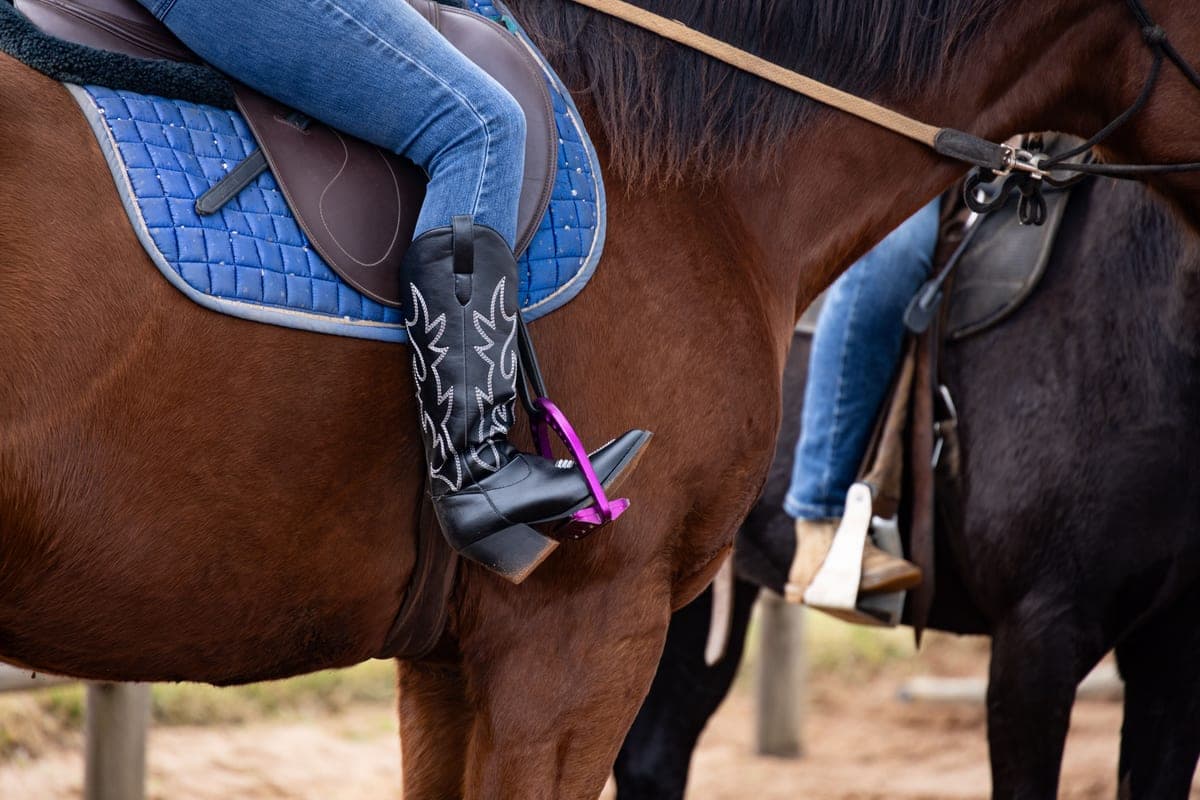
Cowboy boot heel types and heights
Riding, walking, roper, stockman and rocker heels - what each does to comfort and balance.
Care
Sole protectors and grip for cowboy boots
Half-soles, grip pads and the cobbler fix that makes a leather sole safe and longer-lasting.